
How Can an SD-WAN Simplify Your Enterprise Network?
How Can an SD-WAN Simplify Your Enterprise Network?
How Can an SD-WAN Simplify Your Enterprise Network?
As enterprises expand their operations and adopt hybrid work environments, managing complex networks becomes increasingly challenging. Software-Defined Wide Area Networking (SD-WAN) offers a revolutionary solution for simplifying and optimizing enterprise networks. With its ability to enhance connectivity, reduce costs, and streamline network management, SD-WAN is rapidly becoming an essential component of modern IT infrastructures.
What is SD-WAN?
SD-WAN (Software-Defined Wide Area Networking) is a technology that separates network control and management from the underlying hardware. This approach allows businesses to use multiple types of connectivity—such as MPLS, broadband, and LTE—while optimizing performance and reducing dependency on expensive hardware.
Benefits of SD-WAN for Enterprise Networks
1. Simplified Network Management
SD-WAN provides a centralized control panel for managing the entire network, eliminating the need to configure devices manually at each branch.
Features:
Centralized configuration and monitoring.
Real-time network analytics.
Automated deployment of policies.
Example: An enterprise with multiple branches can use SD-WAN to update security policies across all locations instantly, saving time and reducing errors.
2. Enhanced Connectivity and Performance
SD-WAN intelligently routes traffic based on the application and network conditions, ensuring consistent performance across all locations.
Key Advantages:
Dynamic traffic routing.
Prioritization of critical applications.
Reduced latency and packet loss.
Example: A financial institution can prioritize traffic for trading applications, ensuring minimal delays and optimal performance even during peak hours.
3. Cost Efficiency
Traditional MPLS networks are expensive and less flexible. SD-WAN allows enterprises to leverage cost-effective connectivity options like broadband and LTE.
Cost Benefits:
Reduced reliance on MPLS.
Utilization of affordable broadband connections.
Lower operational costs due to automation.
Comparison Table:
Feature
MPLS Networks
SD-WAN
Cost
High
Low
Scalability
Limited
Flexible
Application Prioritization
Complex
Simplified
4. Improved Security
SD-WAN integrates advanced security features such as encryption, firewalls, and secure access, ensuring data protection across all network endpoints.
Security Features:
End-to-end encryption.
Built-in firewalls.
Secure connectivity for remote users.
Example: A healthcare organization can securely transfer sensitive patient data between branches while complying with HIPAA regulations using SD-WAN.
5. Scalability and Flexibility
SD-WAN supports rapid scaling to accommodate new locations or users, making it ideal for growing enterprises.
Scalability Features:
Quick deployment of new sites.
Seamless integration with cloud services.
Support for hybrid work environments.
Example: A retail chain can quickly connect new stores to the corporate network without requiring extensive hardware installations.
How SD-WAN Simplifies Enterprise Networks
1. Centralized Management
With SD-WAN, IT teams can manage network policies and configurations from a single dashboard, reducing complexity and saving time.
Benefits:
Unified view of the network.
Simplified troubleshooting.
Streamlined policy enforcement.
2. Intelligent Traffic Routing
SD-WAN uses intelligent algorithms to route traffic dynamically based on application requirements and network conditions.
Key Features:
Application-aware routing.
Load balancing across multiple links.
Failover mechanisms for uninterrupted connectivity.
3. Integration with Cloud Services
SD-WAN integrates seamlessly with cloud platforms like AWS, Azure, and Google Cloud, optimizing access to SaaS applications.
Cloud Integration Advantages:
Direct connectivity to cloud services.
Reduced backhaul traffic.
Faster access to cloud-hosted applications.
Real-World Applications of SD-WAN
1. Retail Industry
Retail businesses with multiple outlets benefit from SD-WAN by connecting all locations securely and cost-effectively.
Use Case: A retail chain uses SD-WAN to connect its stores, warehouses, and headquarters, ensuring reliable connectivity for POS systems and inventory management.
2. Healthcare Sector
Healthcare organizations rely on SD-WAN for secure data transfer and compliance with regulatory standards.
Use Case: A hospital network uses SD-WAN to ensure secure communication between branches and cloud-based patient record systems.
3. Financial Institutions
Banks and financial firms use SD-WAN to enhance security, optimize application performance, and reduce costs.
Use Case: A bank uses SD-WAN to prioritize trading platforms and secure customer data across its branches.
Key Features of SD-WAN Technology
Feature
Description
Centralized Management
Manage all branches from a single dashboard.
Dynamic Traffic Routing
Route traffic intelligently based on conditions.
Integrated Security
Built-in encryption and firewalls.
Cloud Optimization
Direct connectivity to cloud platforms.
Scalability
Rapidly add new locations or users.
Choosing the Right SD-WAN Solution
Factors to Consider:
Vendor Reputation: Select a provider with a proven track record in delivering reliable SD-WAN solutions.
Customization Options: Ensure the solution can be tailored to your specific business needs.
Integration Capabilities: Look for seamless integration with existing infrastructure and cloud platforms.
Top SD-WAN Providers:
Cisco SD-WAN
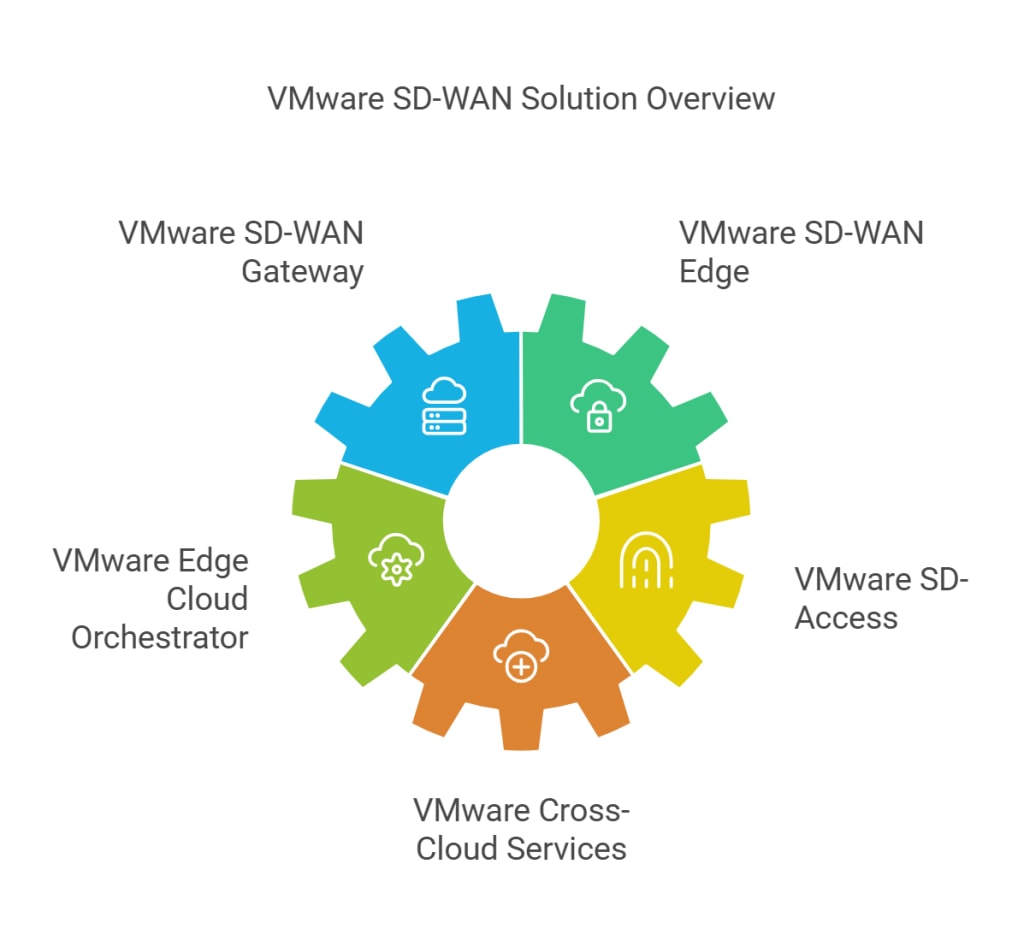
VMware SD-WAN
Fortinet Secure SD-WAN
Huawei Cloud SD-WAN
Conclusion
SD-WAN is a transformative technology that simplifies enterprise network management while improving performance, scalability, and security. By adopting SD-WAN, businesses can streamline operations, reduce costs, and stay agile in a competitive landscape. Whether you are managing multiple branches, integrating with cloud services, or enabling remote work, SD-WAN provides the flexibility and control required to optimize your network for the future.
About the Creator
Enjoyed the story? Support the Creator.
Subscribe for free to receive all their stories in your feed.
Comments
There are no comments for this story
Be the first to respond and start the conversation.