
How AI-Generated Content Is Creating New Challenges for Universities
Challenges for Universities

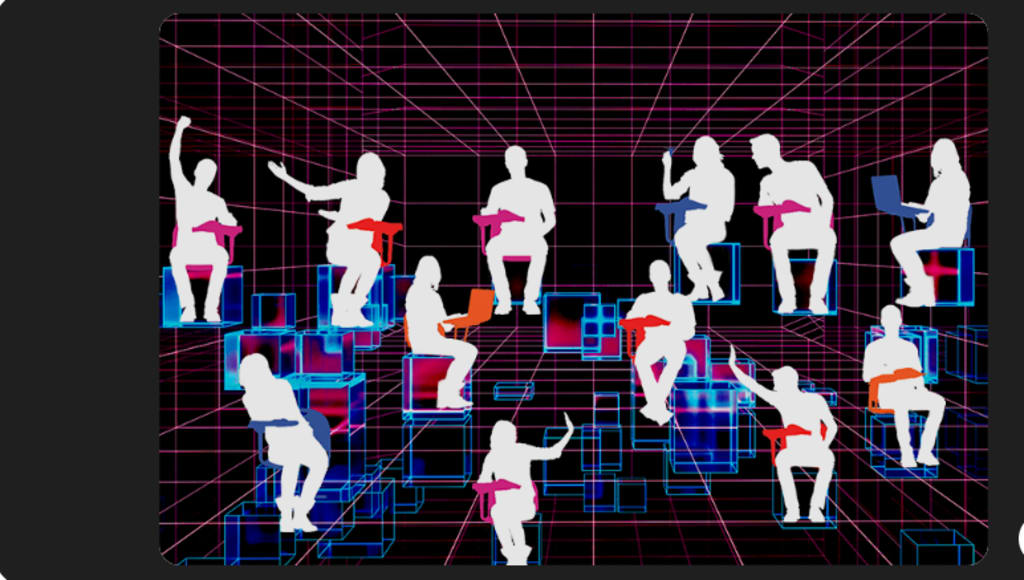
AI tools have made it easier for students to generate essays, summaries, research ideas, and other academic work within seconds. That convenience has created new questions for universities. A professor may receive a polished assignment without knowing how much of it came from the student's own work.
The issue is not limited to whether a student used AI. Universities must consider how to identify inappropriate use, how to handle uncertain evidence, and how to protect students when a disciplinary decision is based on disputed information.
As AI tools become part of everyday academic work, universities need clear rules that separate acceptable assistance from conduct that undermines academic requirements.
Universities Are Having a Harder Time Defining Academic Misconduct
AI-generated content has made academic misconduct harder to define. In the past, a professor might notice copied passages, unusual writing styles, or similarities between a student's work and material found online. AI adds another layer because a student could submit original-looking text that was generated with a tool.
The problem starts with the university's rules. Students need to know whether they are allowed to use AI for brainstorming, grammar correction, research assistance, outlining, or other tasks. A school might permit some uses while treating the submission of AI-generated text as a violation.
Clear policies matter because students should understand what is expected before submitting an assignment. Vague language could lead to confusion, particularly when different professors apply different standards.
Universities are therefore dealing with two questions at once: how much AI assistance is acceptable and what evidence should be used when a professor believes a student crossed the line.
AI Detection Tools Do Not Tell the Whole Story
Universities have started looking at AI detection tools as one possible way to identify computer-generated writing. These tools can compare writing patterns and provide an estimate of whether text appears to have been produced by AI.
The problem is that an automated result does not necessarily explain how a student created the work. A detection score could raise a question, but it may not establish what happened. Writing style can vary for many reasons, and students who use English as an additional language could have writing patterns that differ from what a professor normally sees.
Susan Stone of Kohrman Jackson & Krantz, amongst the experienced campus student misconduct lawyers, highlights, “AI-related academic cases require careful attention to the fact
s. A detection result alone may not explain how an assignment was created, so universities should consider the full circumstances before reaching a conclusion about a student's conduct.”
This matters when a disciplinary decision could affect a student's enrollment, academic record, scholarship, or future plans. Universities need reliable evidence and a fair process instead of treating software output as automatic proof.
Students Could Face Questions About Work They Actually Wrote
AI-related cases do not always involve a student submitting an entirely computer-generated assignment. A student might use AI to create an outline, improve grammar, explain a difficult concept, or suggest ways to organize an argument.
That creates a question… When does assistance become unacceptable authorship? The answer could depend on the university's rules and the assignment itself. A professor might allow limited AI assistance on one assignment while prohibiting it completely on another.
Students should keep drafts, notes, research materials, document histories, and other evidence showing how their work developed. These records could help explain the process behind an assignment if questions arise later.
A student who is accused of improperly using AI should have an opportunity to explain what happened. The circumstances surrounding the assignment matter, particularly when the evidence is based on a detection tool, writing style, or suspicion instead of direct proof.
Universities Need Clearer AI Rules
A university cannot expect students to follow rules they do not understand. AI policies should explain what students are allowed to do, what they must disclose, and which uses are prohibited.
For example, a policy could distinguish between using AI to check spelling and submitting an AI-generated essay as original work. It could explain whether students must acknowledge AI assistance and whether certain assignments prohibit these tools completely.
Professors should apply those rules consistently. Students could become confused when one instructor permits a particular AI use while another treats the same conduct as misconduct.
Clear rules could reduce disputes before they start. They give students a better understanding of expectations and give instructors a clearer basis for addressing suspected violations.
Disciplinary Processes Need to Account for AI Evidence
An AI-related allegation could become serious when it enters a university disciplinary process. The consequences might include a failing grade, academic probation, suspension, or other sanctions depending on the school's rules and the facts involved.
That makes the evidence particularly important. Universities should consider the assignment itself, the student's drafts, communication with the professor, relevant AI policies, and other available information instead of relying on one indicator.
Students should keep copies of their work and communications when an allegation arises. They should understand what they are accused of, which rule the university believes was violated, and what process is available to respond.
A fair process matters because AI-related cases can involve uncertainty. The question is not simply whether software believes a piece of writing looks machine-generated. The university may need to determine what the student actually did and whether that conduct violated the applicable academic rules.
Conclusion
AI-generated content has created a difficult balance for universities. Schools need to protect academic standards while recognizing that AI tools are becoming part of normal academic and professional work. Clear policies, reliable evidence, careful review, and fair disciplinary procedures can help reduce unnecessary disputes.
Students should understand their university's AI rules before using these tools and keep records that show how their assignments were developed. When an allegation becomes a formal disciplinary matter, understanding the process becomes especially important. SEO service for student misconduct lawyers can help relevant legal information become easier to find when students or families search for guidance about these cases.
About the Creator
Gulshan
SEO Services, Guest Post & Content Writter.
Enjoyed the story? Support the Creator.
Subscribe for free to receive all their stories in your feed.
Comments
There are no comments for this story
Be the first to respond and start the conversation.