
Home Remedies: The Best Natural Painkiller That Grows in Your Own Backyard
Another thing you’ll discover is the best natural painkiller that probably grows in your own backyard.
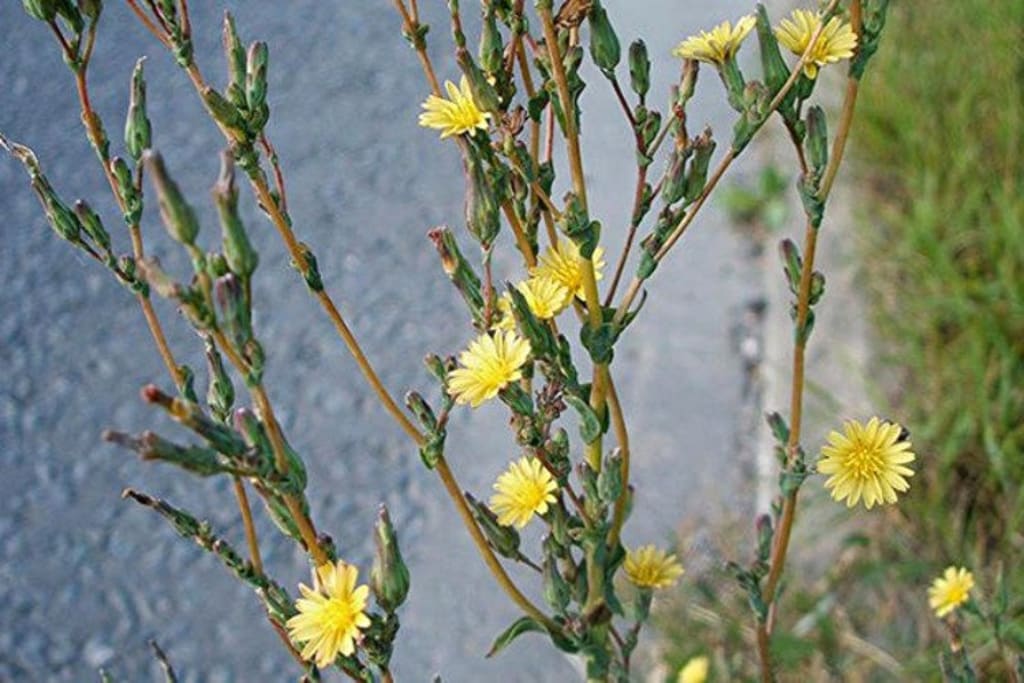
If you're looking for natural pain relief without having to rely on over-the-counter medications, then home remedies may be the solution you've been seeking. One of the best natural painkillers that grows in your own backyard is a common herb that has been used for centuries to help reduce inflammation and alleviate pain. In this blog post, we'll explore the many benefits of this natural painkiller and how you can make use of it in your own home.
What is this natural painkiller?
This natural painkiller is none other than white willow bark. White willow bark has been used for centuries in traditional medicine as a remedy for pain and inflammation. It contains salicin, a chemical similar to aspirin, which is believed to have anti-inflammatory and analgesic properties. White willow bark has been used for a variety of conditions, including headaches, muscle pain, arthritis, and back pain. In recent years, it has become increasingly popular among people looking for natural alternatives to over-the-counter painkillers.
The active ingredient in white willow bark is known as salicin. Salicin is a glycoside, which means it is made up of two molecules—a sugar molecule and an active compound called salicylic acid. When ingested, salicin is broken down by the body into salicylic acid. Salicylic acid acts similarly to aspirin, blocking the production of inflammatory compounds and providing pain relief.
White willow bark can be taken orally in either capsule or tea form. It can also be applied topically as a poultice or tincture. Although it is considered generally safe, it is important to speak to your doctor before taking any supplements, as there may be potential drug interactions.
How does it work?
The natural painkiller we are talking about is willow bark. Willow bark has been used for centuries as an herbal remedy for pain relief and other ailments. It contains salicin, a compound that acts like aspirin in the body, blocking enzymes that cause inflammation and pain. In addition to salicin, willow bark also contains flavonoids and other compounds that help reduce inflammation, improve circulation and provide other health benefits.
When ingested, willow bark helps relieve pain by blocking the production of certain compounds that contribute to inflammation. This reduces swelling and discomfort in the area, allowing the body to heal naturally. Willow bark can be taken orally as a tea, capsule or tincture, or it can be applied topically as a cream or salve.
It's important to note that while willow bark can provide relief from pain and inflammation, it should not be used to treat chronic conditions without first consulting a doctor. Additionally, taking too much of the herb may lead to stomach upset, so it's best to speak with your physician before trying any herbal remedies.
How can I use it?
Using this natural painkiller is simple and straightforward. First, you need to identify which plant is the best for you. Depending on the specific type of pain you are experiencing, you may need to look for a different plant. For instance, if you have joint pain, then the plant devils claw may be the best option for you. Once you have identified the best plant for you, there are several ways to use it.
The simplest way to use this natural painkiller is to make an infusion or tea out of it. To do this, take a tablespoon of the dried herb and add it to one cup of boiling water. Let it steep for 10 minutes before straining and drinking. This method works best when taken two or three times a day.
If you want a stronger dose of the natural painkiller, then consider taking a tincture. A tincture is a liquid form of the herb, usually made with alcohol or vinegar. When making your own tincture, take the dried herb and cover it with your chosen liquid in a jar. Let it sit for a few days and then strain out the liquid. Take 1 teaspoon of the tincture three times a day for best results.
You can also opt for topical use of this natural painkiller by making an herbal compress. To do this, simmer 1/2 cup of the chopped herb in 1 liter of water for 20 minutes. Strain the mixture and let it cool before soaking a cloth in it and applying to the affected area for 20 minutes. Repeat this process up to three times a day until you experience relief.
Finally, you can create a salve using this natural painkiller as well. Simply combine two tablespoons of infused oil, two teaspoons of beeswax, and two teaspoons of honey in a double boiler. Heat until everything is melted together and then pour into a small container and let cool before using on your skin. Apply as needed up to three times a day until your pain has subsided.
Are there any side effects?
While this natural painkiller is generally safe to use, there are some side effects that you should be aware of before using it. Some people have experienced skin irritation and burning upon direct contact with the plant, so it is recommended to wear protective gloves when handling it. Additionally, long-term use of this natural painkiller may lead to allergic reactions in some individuals. People with allergies to plants and herbs should talk to their doctor before using this natural painkiller. Lastly, since this natural painkiller has not been studied extensively, there is no conclusive evidence as to its efficacy or safety, so users should always be mindful and exercise caution when using it.
Another thing you’ll discover is the best natural painkiller that probably grows in your own backyard check it out here.
About the Creator
Enjoyed the story? Support the Creator.
Subscribe for free to receive all their stories in your feed.
Comments
There are no comments for this story
Be the first to respond and start the conversation.