
HMPV Outbreak: Common Symptoms and Prevention Measures for Kids and Adults
A Comprehensive Guide to Understanding Human Metapneumovirus, Its Impact, and How to Keep Your Family Safe
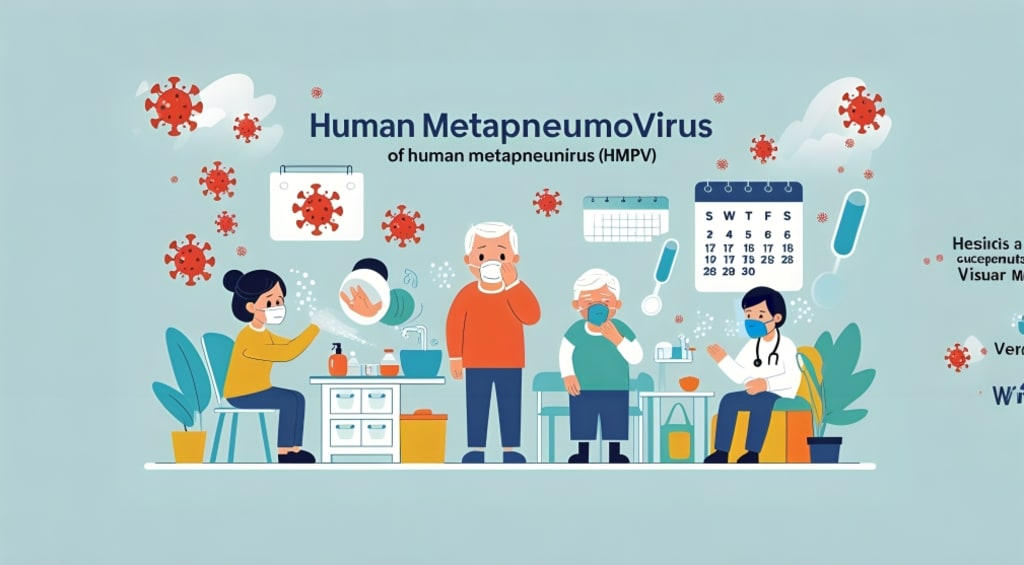
HMPV Outbreak: Common Symptoms and Prevention Measures for Kids and Adults
Human Metapneumovirus (HMPV) is one of the major causes of respiratory illnesses and often underreported, as its prevalence in the community affects the health of people on a mass scale. This virus can affect any individual, but certain groups, like young children and older adults, are more at risk. Since the symptoms resemble other common respiratory diseases such as influenza and common cold, this makes it hard to identify.
This article goes deep into the nature of HMPV, symptoms it causes, how it spreads, and how you can protect yourself and your family.
What is Human Metapneumovirus (HMPV)?
HMPV is a respiratory virus that belongs to the family Paramyxoviridae and was only identified in 2001. This virus has significant homology with the virus known as RSV, but it has primary infections at upper and lower parts of the respiratory tract. Infection caused by this virus affects all age groups, though most severe among them occur in the group of under-fives years old, older population, and immunocompromised persons or with comorbid illnesses.
HMPV is most commonly detected during late winter and early spring but can circulate throughout the year. The virus is a significant contributor to hospitalizations for respiratory illnesses globally.
Understanding the Symptoms of HMPV
The symptoms of HMPV vary from mild cold-like signs to severe respiratory issues, depending on the individual’s age, immune status, and overall health. Here’s a breakdown of common and severe symptoms:
Mild Symptoms Runny nose Cough Fever
Sore throat Nasal congestion Severe Symptoms Breathing difficulty
Wheezing Pain in the chest Shortness of breath
Excessive feeling of tiredness
Infection of the lower respiratory tract, such as pneumonia or bronchitis
While most cases of HMPV are minor and last about one to two weeks, other individuals are more susceptible to dangerous complications.
Who Is Most Susceptible?
Although HMPV can cause infections in people of any age, some groups face a higher danger of serious illness:
Infants and Young Children
HMPV is the most common reason for children under five to be hospitalized.
Symptoms in infants can worsen rapidly and result in potentially fatal conditions.
Elderly
Age-related immune weakness places older individuals at higher risk for worse complications.
Presence of chronic conditions, such as diabetes, heart disease, or COPD, also raises risks.
People with Weakened Immunities
Patients who are undergoing chemotherapy or who have HIV/AIDS are at increased risk.
Patients with Prior Respiratory Disease
Patients who have asthma, bronchitis, or emphysema are at greater risk for developing complications.
How Is HMPV Transmitted?
HMPV is highly contagious and is spread by respiratory droplets just like other common respiratory viruses:
Respiratory Droplets
Droplets containing the virus are released into the air when coughing, sneezing, or talking. Other people can inhale these droplets.
Contact with Contaminated Surfaces
The virus survives on surfaces for a number of hours. Touching a contaminated surface and then touching your eyes, nose, or mouth will lead to infection.
Close Personal Contact
Direct contact with the infected person by hugging, handshaking, or kissing increases the chance of transmission.
HMPV Diagnosis
It is difficult to diagnose HMPV because the symptoms are similar to other respiratory conditions such as RSV, influenza, and COVID-19. The doctors
use the following diagnostic tests:
Nasopharyngeal Swabs: This test involves taking a sample from the nose or throat to detect the genetic material of the virus.
Blood Tests: These tests check for the presence of antibodies indicating a current or past infection.
Accurate diagnosis is crucial for proper treatment and management, especially in severe cases.
Prevention Tips for HMPV
There is no vaccine or specific antiviral treatment for HMPV yet. The best defense against the virus is prevention. Here's how you can reduce your risk:
• Practice Good Hygiene
• Wash your hands frequently with soap and water for at l east 20 seconds.
• Use alcohol-based hand sanitizers if soap and water are unavailable.
• Do not touch your face, especially your eyes, nose, and mouth, with unwashed hands.
• Do not Come in Close Contact with Infected Persons
• Stay away from individuals showing signs of respiratory infections.
• Minimize handshakes, hugs, or any other form of touching during the peak seasons of HMPV.
• Sanitize Frequently Touched Places
• Wipe or spray high-touch areas, such as doorknobs, light switches, and cell phones, frequently with disinfectant wipes or sprays.
• Use Respiratory Manners
• Cover your mouth and nose with a tissue or your elbow when coughing or sneezing.
• Dispose of tissues immediately and wash your hands afterward.
• Strengthen Your Immune System
• Eat a nutrient-rich diet with plenty of fruits and vegetables.
• Stay hydrated and get adequate sleep to maintain overall health.
• Engage in regular physical activity to boost immunity.
• Wear Masks in High-Risk Situations
• Use face masks in crowded public spaces or around individuals who may be sick.
Treatment for HMPV
There is no specific antiviral treatment available for HMPV, but supportive care can make symptoms more manageable and help a patient recover:
Medications
Acetaminophen or ibuprofen for fever and aches.
Drink plenty of fluids to prevent dehydration and soothe a sore throat.
Steam Inhalation and Humidifiers
These can make nasal congestion less uncomfortable and allow for easier breathing.
Seek Medical Attention
If symptoms worsen, especially in high-risk individuals, seek a healthcare provider immediately.
HMPV vs. Other Respiratory Viruses
HMPV is very similar to other respiratory viruses but has some differences:
• Respiratory Syncytial Virus (RSV)
• Both HMPV and RSV can cause severe respiratory illness, especially in children and older adults.
• RSV is more common in infants under one year old.
• Influenza (Flu)
• Influenza is often accompanied by systemic symptoms, such as body aches and fatigue.
• Unlike HMPV, influenza vaccines and antiviral treatments exist.
• COVID-19
• COVID-19 is more likely to cause more systemic and longer-term complications
• There are available vaccines and targeted treatments for COVID-19
• The proper diagnosis enables a differentiation among these illnesses for proper treatment approaches
.
Global Prevalence of HMPV
Studies estimate that HMPV accounts for up to 10% of all respiratory hospitalizations globally. Its burden is particularly high in developing countries, where access to healthcare is limited. Research indicates that the virus is a leading cause of respiratory illness in children under five and contributes significantly to mortality in the elderly population.
Raising Awareness about HMPV
Public awareness campaigns are the need of the hour to mitigate the increasing effects of HMPV. Schools, workplaces, and health care facilities must take education in respiratory hygiene and preventive measures at the top of the agenda. It is also necessary to have improved surveillance and research on vaccines and treatments to alleviate the burden of HMPV in vulnerable populations.
Key Takeaways
HMPV is a highly contagious respiratory virus causing mild to severe illness.
The vulnerable groups include infants, elderly persons, and people with pre-existing conditions.
Preventive measures are aimed at hygiene, avoiding exposure, and boosting immunity.
Early diagnosis and supportive care are essential in the management of severe cases.
Conclusion
As the public health systems of the world continue to face challenges from respiratory illnesses such as HMPV, it is essential to stay informed and proactive. Simple steps such as maintaining good hygiene, avoiding crowded places during outbreaks, and seeking timely medical care can significantly reduce your risk of infection. By prioritizing prevention and raising awareness, we can collectively combat the impact of this virus and protect the most vulnerable in our communities.
About the Creator
Enjoyed the story? Support the Creator.
Subscribe for free to receive all their stories in your feed.
Comments
There are no comments for this story
Be the first to respond and start the conversation.