
Healthy Food
The impact of food production on the environment
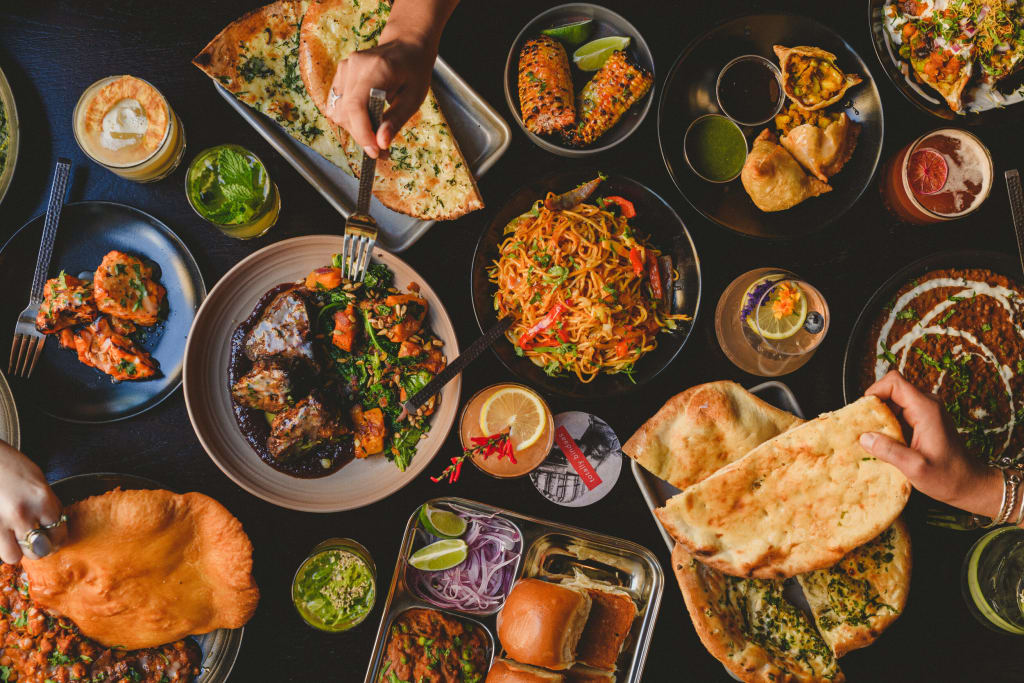
Food is essential to our survival, and it is an integral part of our daily lives. However, the impact of food production on the environment has become a major concern in recent years. The methods used to produce, transport, and consume food can have significant effects on the environment, from greenhouse gas emissions to deforestation. In this article, we will explore the various ways that food production affects the environment and what we can do to minimize these impacts.
Introduction
Food production has a significant impact on the environment. The use of natural resources, such as water and land, in food production can lead to environmental degradation. Additionally, food production is responsible for a significant portion of greenhouse gas emissions. This article will explore the different ways in which food production affects the environment and the actions we can take to reduce its impact.
Land Use and Deforestation
One of the most significant impacts of food production on the environment is land use. Land is required to grow crops and rear livestock, but it is also used to build infrastructure for transportation and other related industries. As a result, forests and other natural habitats are often cleared to make way for agriculture and other land uses. This can lead to habitat destruction and the loss of biodiversity.
Water Use and Pollution
Water is a critical resource in food production, and it is essential for growing crops and raising livestock. However, agriculture can also have negative impacts on water resources. The use of fertilizers and pesticides can lead to pollution of water sources, and excessive water use can deplete aquifers and other freshwater sources.
Greenhouse Gas Emissions
Food production is responsible for a significant portion of greenhouse gas emissions. These emissions are generated through various stages of the food supply chain, including production, transportation, processing, and consumption. The livestock industry, in particular, is a significant contributor to greenhouse gas emissions due to the production of methane by cattle and other animals.
Food Waste
Food waste is another significant issue in food production. A large amount of food is wasted throughout the supply chain, from production to consumption. This not only represents a significant economic loss but also contributes to greenhouse gas emissions and other environmental impacts.
Sustainable Food Production
There are various ways in which we can reduce the environmental impacts of food production. Sustainable food production methods, such as organic farming and agroforestry, can help to reduce the use of synthetic fertilizers and pesticides, minimize soil erosion, and improve biodiversity. Additionally, reducing food waste can help to reduce greenhouse gas emissions and conserve natural resources.
Conclusion
In conclusion, the impact of food production on the environment is significant, and it is important that we take steps to minimize these impacts. Sustainable food production methods and reducing food waste are just two of the ways in which we can reduce the environmental impact of our food systems. It is up to all of us to make changes in our daily lives to support a more sustainable food system.
FAQs
What are some examples of sustainable food production methods?
Some examples of sustainable food production methods include organic farming, agroforestry, and regenerative agriculture.
How does food waste contribute to greenhouse gas emissions?
Food waste contributes to greenhouse gas emissions by releasing methane, a potent greenhouse gas, as it decomposes in landfills.
What can I do to reduce my environmental impact as a consumer?
As a consumer, you can reduce your environmental impact by choosing locally produced, organic, and seasonal food. You can also reduce food waste by planning meals, composting, and storing food properly.
Why is biodiversity important in food production?
Biodiversity is important in food production because it promotes ecosystem resilience and provides essential services, such as pollination and pest control.
What role do governments and policymakers
What role do governments and policymakers play in reducing the environmental impact of food production?
Governments and policymakers can play a significant role in reducing the environmental impact of food production. They can create policies and regulations that promote sustainable food production methods, such as organic farming and agroforestry, and incentivize the reduction of food waste. They can also invest in research and development of new technologies and practices that can reduce the environmental impact of food production.
Additionally, governments and policymakers can work to improve food labeling and transparency, so consumers can make informed decisions about the environmental impact of the food they consume. They can also support education and awareness campaigns to promote sustainable food choices and reduce food waste.
Ultimately, reducing the environmental impact of food production requires collective action from all stakeholders, including consumers, producers, and policymakers. By working together, we can create a more sustainable and environmentally friendly food system.
About the Creator
Sehnaz Sultana
I love to educate people
Enjoyed the story? Support the Creator.
Subscribe for free to receive all their stories in your feed.
Comments
There are no comments for this story
Be the first to respond and start the conversation.