
Healthiest Herbs and Spices that Can Change Your Life Forever
Nature's Treasure in Human Hands

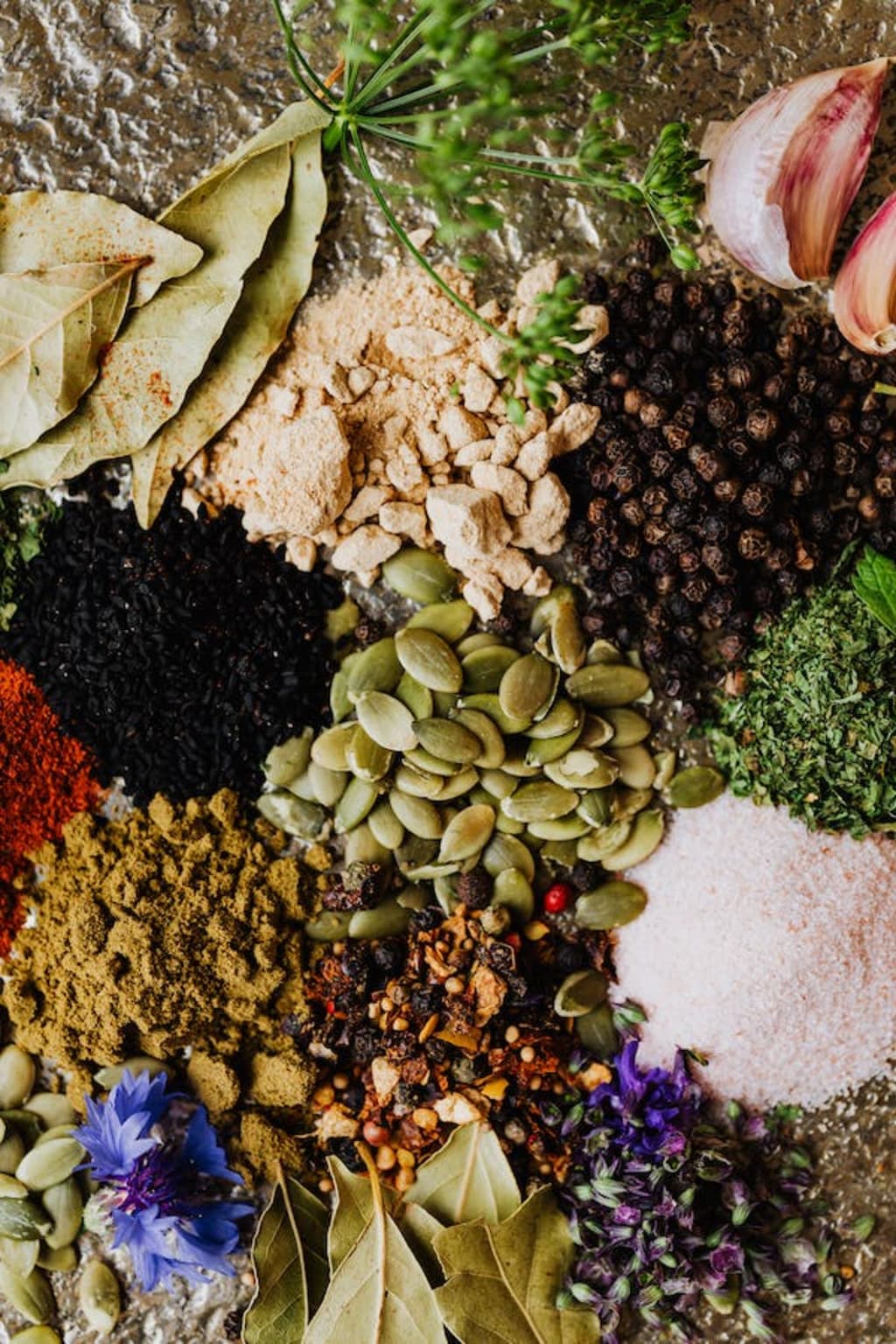
Herbs and spices are the precious God-gifted things among many others that can benefit human health a lot. These can improve anti-inflammatory properties, cognitive abilities, fighting against cancer, obesity, antioxidant, and many more.
In ancient times herbs and spices such as turmeric, peppermint, ginger saffron, cinnamon, thyme, coriander, etc. are used for medicinal purposes in India, China, ancient Greeks, and Red Indian tribes of America to cure many diseases successfully. These herbs and spices are still in use in modern times as medicinal purposes in Indians Ayurvedic and Tibb-e-Islami ways of treatment.
There is no such scientific research or evidence is available regarding their healing abilities of serious diseases, but no one can refuse their positive results on human health if these herbs used in proper way.
In the following article, we will try to explore the remedial health benefit of top 10 herbs and spices easily found worldwide.
1. Turmeric (Scientific Name: Curcuma longa)
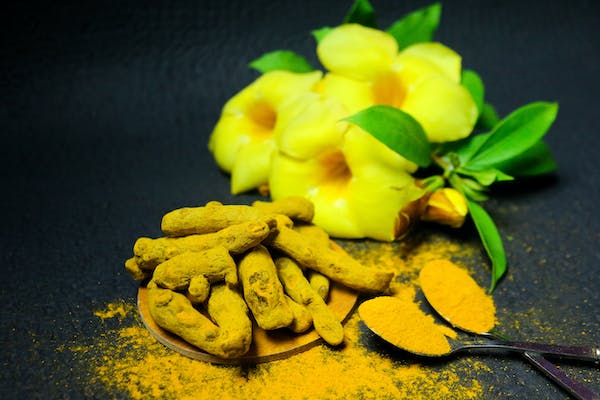
Turmeric, also called curcumin, is the main ingredient in your curry that gives it a yellow color and add a pleasant smell and taste.
Research also reveals that turmeric milk is one of the healthiest tonic for any age group which increase the healing process, the best time to drink turmeric milk is one hour before going to sleep. It increases the soothing and relaxing properties during sleep.
Health Benefits of Turmeric
A. Fight against depression
B. Boost Memory
C. Turmeric reduces bloating
D. Prevent Cancer
E. Increase Antioxidant Capacity of the body
F. Reduce the Pain
G. By sucking the poison, it removes swelling and pain
H. Useful in heart disease
I. Treat Type 2 Diabetes
J. Treat Arthritis
K. Treat Headache
L. Regular consumption of turmeric reduces cholesterol
M. If bitten by a bee or any other insect, apply turmeric to the place
immediately will bring relief
N. If the throat is very bad and the cough and cold are getting worse, drinking a glass of warm milk with half a teaspoon of turmeric will cure the cold.
O. Fight off Viral Infection
P. Reduces Premenstrual Syndrome complexities
2. Ginger (Scientific Name: Zingiber Officinale)
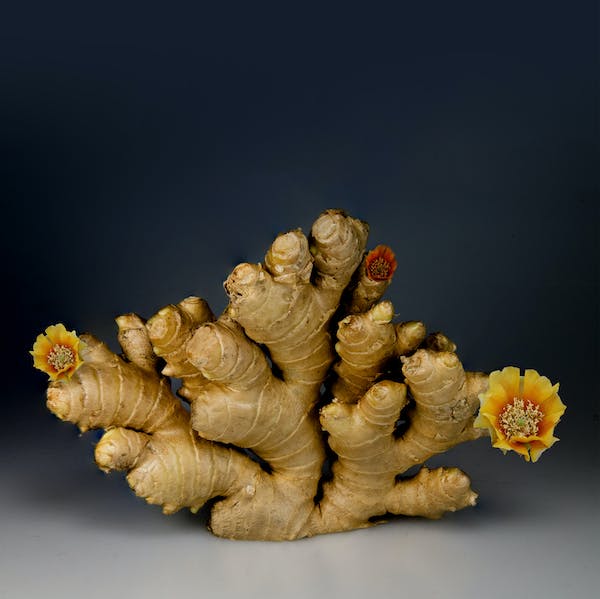
The use of ginger traces back thousands of years as a medicine to treat nausea and digestive problems and as a spice, flavor, vegetable, and food as well. Ginger has a variety of minerals, vitamins, and nutrients, and all have different effects on the human body. Ginger can grow easily and in more or less water areas, on less and more height areas. It has slim, long, and green leaves with pink flowers. Today, people use ginger root mainly as a flavoring or dietary supplement to treat indigestion. Ginger, which is closely related to turmeric, is also anti-inflammatory and rich in antioxidants. Only pomegranate and certain berries contain anti-inflammatory properties than it.
Many studies have proven ginger as an effective anti-nausea agent. In seasickness, motion sickness, and morning sickness people are using it successfully.
Some studies have shown that ginger can effectively fight against cancer, largely because this herb has a richness in antioxidant content. It can also slow cell proliferation, stop cell division, and stop certain activating proteins and signaling pathways to promote cancer.
Health Benefits of Ginger
A. Aids Digestion
B. Clears Congestion
C. Counters Nausea
D. Reduces fever and bodyache
E. Better Bone Health
F. Enhances Lactation
F.Reduces Inflammation
3. Cumin (Scientific Name: Cuminum Cyminum)
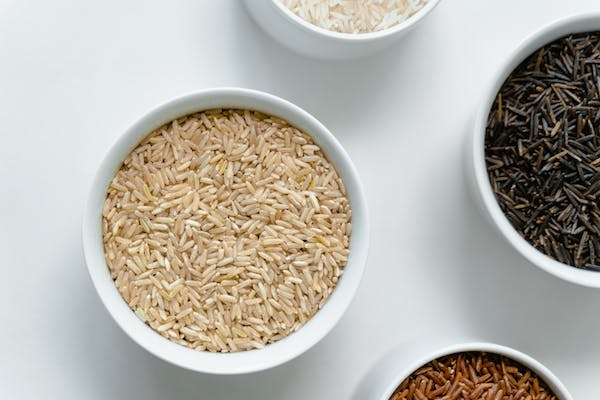
Cumin seeds grow in India, Africa, Mexico, Chile, and China. There are basically three types of cumin, the best type is called black cumin. All its species have almost the same benefits, but black cumin is always preferred for medicinal purposes in Islamic Tibb and Indian Ayurveda, which is why it is more expensive than white cumin and other species. It is rich in iron, calcium, magnesium, potassium, zinc, etc.
Health Benefits of Cumin
A. Improves the digestive system, relieves indigestion and eliminates gas. It is also useful for those with stomach cramps and dysentery.
B. Very useful in children for colic and stomach problems. Cumin tea is useful in such cases. Elderly people can drink cumin tea with a lemon or mint if its taste is not good.
C. Strengthens the liver and its functions, helps in the formation of new blood cells, purifies the blood and removes anemia.
D. Strengthens lungs, removes phlegm from the body and is useful for colds.
E. Relieves sore throat
F. Cumin seed water can be useful for facial care or improve the beauty of your face if wash regularly.
4. Peppermint (Scientific Name: Piperita / Mentha)
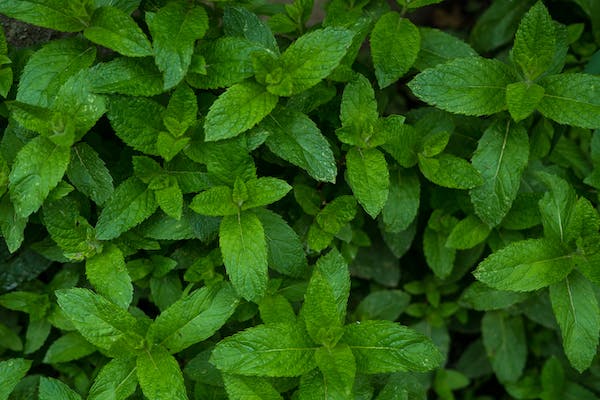
A veritably popular condiment frequently used as a seasoning agent, peppermint is native to Europe and Asia. In these regions, before the arrival of ultramodern drug, it was used for its cooling goods, antibacterial parcels and to ameliorate digestion.
Health Benefits of Peppermint
A. Health of the Heart & Blood Vessels
Exploration shows that as a holistic drug, peppermint is also effective in perfecting the health of the heart, blood vessels and lungs (lungs) by acting as a bronchodilator (widen the air passages of the lungs (bronchi)).
B. Oxygen Inhaler
Gobbling the smell of peppermint, a person also increases the force of air in the nose, which in turn gives further air to the lungs.
C. Muscle Relaxant
Some studies show that peppermint is an effective muscle relaxant due to its cooling menthol emulsion, which is why menthol is frequently an active component in muscle pain relief creams and poultices.
D. Headache Relief.
Peppermint oil is famous for headache relief. Due to its cooling properties, it is beneficial for migraines. Inhaling can relieve motion sickness and vomiting.
E. Reduces Depression and Stress
It may reduce stress, and may produce calmness and relax feeling. Inhaling of it is considered to be beneficial during anger and depression.
F. Reduces Pain
Studies show it a natural pain reliever and its oil massage is beneficial in such cases
G. Increases circulation of Blood
Smell of it increases the force of air in the nose hence increase the intake of oxygen thus results in the betterment of circulation of blood.
H. Beneficial for Lungs & Respiratory System
The smell of peppermint is very beneficial for the lungs and respiratory system, helping the vessels to be widened. It is also used in cough syrups as it is a good expectorant of excess mucus and phlegm, hence improving the symptoms of cough, sinusitis, and asthma.
5. Ginseng (Scientific Name: Panax Ginseng)

In ancient China, the use of Ginseng as a herb has proven and dates back to 100 AD. There are 11 types of this herb among them Asian Ginseng, American Ginseng, Siberian Ginseng, Brazilian Ginseng, and Indian Ginseng are more prominent.
Ginseng has been used for 100 years in Asia and America as a herb and for medicinal purposes to treat headaches, fever, indigestion, infertility, sexual problems, etc. Ginseng root and root hair are commonly used for medicinal purposes.
Health Benefits of Ginseng
A. Improves mood and reduces tension
B. Improves braining Function
C. Has Anti-Inflammatory tracts
D. Helps to lose weight
E. Treats sexual disorders
F. Improves lungs function
G. Lowers blood sugar
H. May support Fight Cancer
I. Strengthens the immune system
J. Alleviation of menopausal symptoms.
6. Ginkgo Biloba (Scientific Name:Salisburia Adiantifolia)

For thousands of years, Ginkgo biloba has been used as an extract derived from ginkgo tree in Chinese medicine to heal various health issues.
Studies have proven the positive effects of Ginkgo Biloba extract on patients having problem with cognitive functions, neurological impairment and concentration. It also fights against Alzheimer’s disease, dementia, anxiety and depression. Helpful in maintaining vision and fight fibromyalgia.
Health Benefits of Ginkgo Biloba
A. May Enhance Cognitive Health
B. May ameliorate Symptoms of Dementia and Alzheimer’s
C. Can Help Fight Anxiety
D. Can Improve Symptoms of PMS (mood swings, headache, anxiety, fatigue)
E. May support conserve Eye Health
F. Could Ameliorate Libido
G. Helps Treat Migraines
H. Can lessen Symptoms of Mountain Sickness.
I. Can Ameliorate Sleep Quality
J. May Fight Fibromyalgia
K. May Support Heart Health
L. Increases Effectiveness of Schizophrenia Treatment
M. Promotes Healthier Skin
7. Cinnamon (Scientific Name: Cinnamomum Verum)

Ancient societies have used cinnamon since 2800 BC. for its bedaubing, embalming, and curing conditions. Although not as extensively used for its medicinal parcels as it was thousands of times agone, cinnamon still offers numerous health benefits as an antimicrobial, antioxidant, anti-inflammatory, anti-diabetic, and anti-carcinogenic spice.
Health Benefits of Cinnamon
A. Cinnamon can be used well to keep the skin looking fresh and young.
B. Cinnamon can also get rid of acne scars
C. Cinnamon is very useful in nausea, flu, and indigestion
D. Its use has also been proven to help heal wounds
E. Cinnamon is used to lowering cholesterol
F. It has antibacterial properties as well
G. It helps prevent heart diseases and blood clots in the arteries
H. If you have trouble sleeping, cinnamon may be beneficial for you
I. It is also in use for strong bones from centuries
J. Very beneficial for beautiful hair and skin
K. A study suggests that cinnamon may lower blood sugar. It is part of regulating the body's glucose situation and has been suggested in some small randomized control trials.
L. Cinnamon also has cognitive goods, and scientists have been trying
to find out if this spice can be an effective treatment for Alzheimer's
complaint. In particular, experimenters studied CEppt (an excerpt set
up in cinnamon dinghy) to see if it can help the progression of
Alzheimer's symptoms.
M. However, in an experiment, cognitive capacities were significantly bettered when mice consumed this excerpt.
8. Parsley (Scientific Name: Petroselinum Crispum)
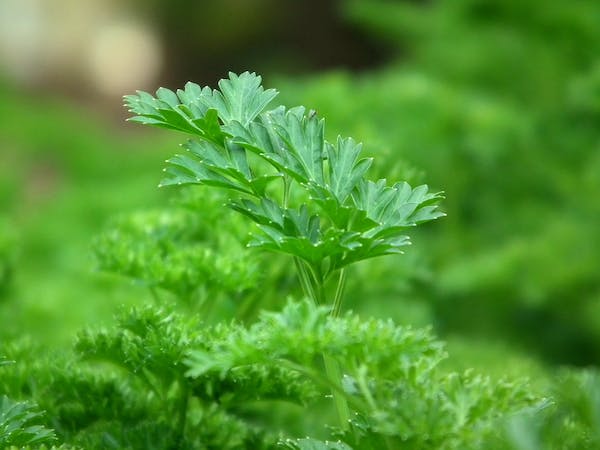
Parsley is a condiment native to the Mediterranean region. Numerous have used it over the times both as a culinary spice and as a remedial remedy for colorful health conditions, including high blood pressure and disinclination
Health Benefits of Parsley
A. Vitamin C is abundant in Parsley, which is very useful for healing wounds.
B. Reduces acidity
C. Full of Calcium, its use reduces the effects of Osteoporosis.
D. Due to the abundance of Calcium and Vitamin C, it strengthens the body’s Immune system.
E. This condiment is full of antioxidants, carotenoids, and other salutary vitamins like Vitamin K that support a healthy body, bone, and vulnerable system.
9. Oregano (Scientific Name: Origanum vulgare)
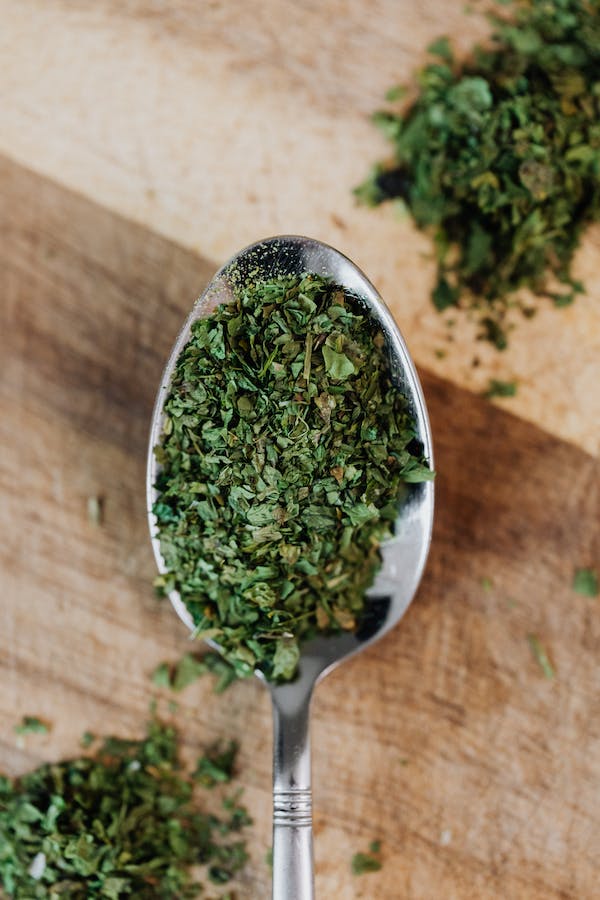
Another common condiment in the Mediterranean diet is Oregano because of its strong flavor and aroma, which numerous use not only as a food seasoning but also as a sweet oil painting and cumulative. It may also have numerous health benefits just because of its antioxidant and antibacterial properties. It is also helpful in maintaining blood sugar levels.
Health Benefits of Oregano
A. Anti-Bacterial and Anti-oxidant
Fighting against disease causing free radicals it can act as an antioxidant, and it is also helpful against bacterial infections and strengthens the vulnerable system against infections.
B. May Have Anti-Cancer Properties
In some studies, Oregano has antioxidants and contains compounds that may cause cancer cell growth to reduce.
C. May have a Tendency to Reduce Viral Infection
In Oregano, some compounds have been found that show the tendency to reduce the activity of viruses.
D. Decrease Inflammation.
Due to its antioxidant properties, it may reduce inflammation.
E. Aids Digestion
It can improve the working of the digestive system, aids digestion, and increase appetite.
F. Regulates Blood Sugar
By perfecting Insulin resistance, it may regulate blood sugar and lipids.
G. Oregano may cause relief of urinary tract symptoms
H. May reduce menstrual pain
I. Oregano herbal tea may reduce stress and depression
J. It can reduce the risk of rheumatoid arthritis
10. Cardamom (Scientific Name:Elettaria Cardamomum)
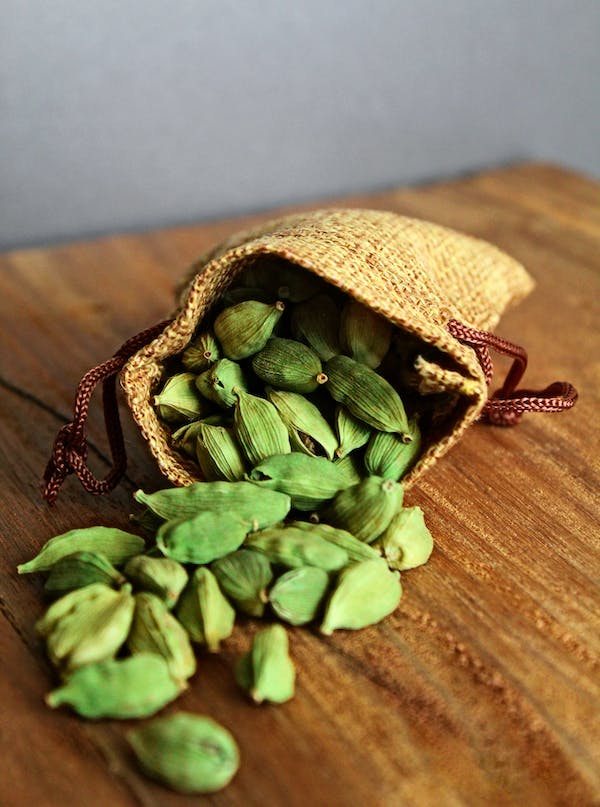
Cardamom is another spice that offers a wide range of implicit health benefits. Cardamom is frequently used in teas, as well as in some coffees, goodies, and indeed savory foods. Some of the conditions that exploration shows that cardamom can treat are: constipation, bellyache, diarrhea, dyspepsia, vomiting, headache, epilepsy, and cardiovascular complaint.
The medicinal benefits of the spice are substantially due to the combination of unpredictable canvases, adipose canvases, phenolic acids, and sterols.
In particular, the unpredictable canvases contained in cardamom seeds are analgesic, anti-inflammatory, antimicrobial, and antispasmodic.
Health Benefits of Cardamom
A. Cardamom is used for its aroma, improves digestion, relieves constipation, relieves acidity, and controls dehydration.
B. It is an elixir for acidity.
C. It is helpful in digesting the food.
D. It is useful in lung diseases by increasing the circulation of blood.
E. It improves blood circulation, it controls blood pressure
F. Cardamom is high in iron, therefore it helps in the growth of red blood cells in the body.
G. Eliminates toxic substances, and removes them from the body, even from malignant diseases like cancer.
H. Increases sexual abilities, improves the reproductive system, and prolongs their function by providing strength to them.
Closing Remarks:
There are countless herbs and spices all around us, and they have important nutrients that have numerous benefits for the body as well.
As a home remedy and especially for people in less developed countries where the facility of a proper doctor is still not available, or they cannot afford the treatment of modern medical facilities even in these modern times, these home remedies are no less than a blessing in disguise. These remedies can also have a quick life-saving effect in an emergency, as long as the proper medical facility may be available for any patient.
About the Creator
faisal522840
Offers unique and valuable perspective, provides insightful analysis, combines the extract from many other research work into one source ensuring that readers can quickly grasp the main points and take away valuable insights.
Enjoyed the story? Support the Creator.
Subscribe for free to receive all their stories in your feed.
Comments
There are no comments for this story
Be the first to respond and start the conversation.