
Hardwood vs Softwood Lumber
Comparison Between Hardwood &Softwood Lumber

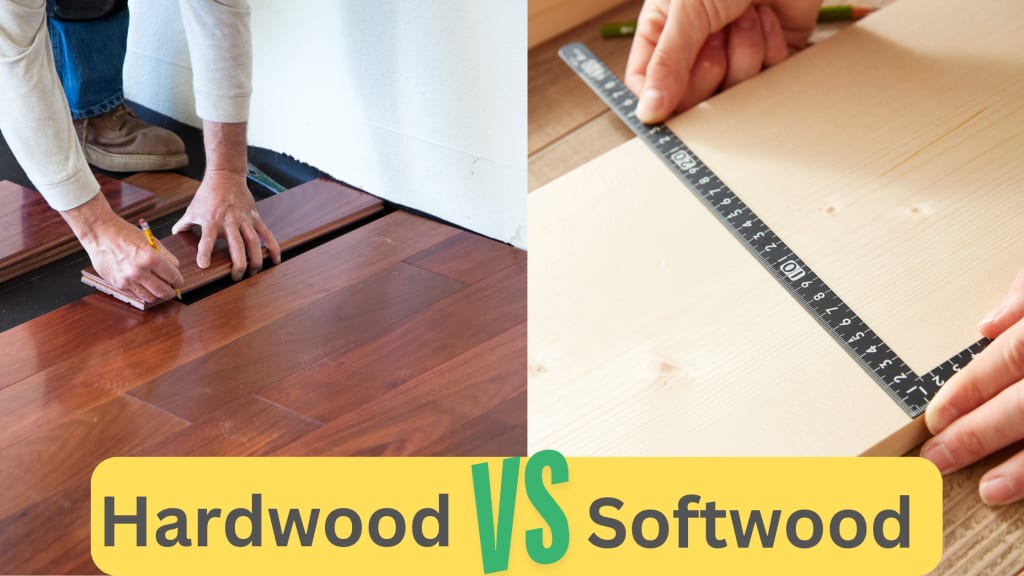
When it comes to woodworking and construction, selecting the appropriate lumber is essential. This decision can determine how long the item will last, how it will look, and the extent to which one will consider the project a success. Lumber is divided into two major categories: hardwood and softwood. Each has unique properties and advantages.
This article will discuss the basic definitions of hardwood and softwood and their properties, uses, advantages, etc. Understanding the differences will help woodworkers and DIYers make informed decisions about project materials. We will unravel all the secrets concerning hardwood versus softwood lumber, empowering readers to move on to the next step.
Hardwood vs Softwood Lumber | Understand the Differences
A key consideration in any project is whether to use hardwood or softwood. These two types of lumber differ in their source, durability, and usability, making them suitable for various applications. Understanding these differences is essential for performing accurate lumber takeoff and ensuring the right materials are selected for your project needs. This short guide highlights the key distinctions between hardwood and softwood to help you make informed decisions.
What is Hardwood?

Hardwood refers to lumber derived from deciduous trees, which lose their leaves in the winter. These trees are usually slower-growing than softwoods, and it takes several decades for them to reach their mature stage, making their woods denser and heavier.
This weightiness and density give hardwood timber strength and durability, making it feasible for furniture designed for durability, floor covering, cabinetry, and other significant longevity-related uses. The most common hardwood species come from several trees, each producing various grain patterns and colors that add to the aesthetic.
In addition to its practical use, hardwood can undoubtedly have an authentic aesthetic, which enhances its beauty as cherished household items and vintage objects handed down through the ages.
What is Softwood?

Softwood comes from coniferous trees that are generally evergreen and have needle-like leaves. They are believed to grow faster than hardwood trees, so they can be harvested more frequently, making softwood a renewable resource. Softwoods have contrasting characteristics: they are lighter, easier to work with, and low-cost.
Softwoods are great for construction, framing, furniture, and many DIY projects, considering that most advantages make their products relatively cheaper than hardwoods. Even though they are not as durable as hardwoods, softwoods can still be treated for outdoor uses, and they can be used to provide a good finish for many applications.
What Kinds of Trees Produce Hardwood and Softwood?
The following are the most typical hardwood trees:
Oak: Extremely considered for its strength, with a distinct toughness; available in red and white varieties.
Maple: Fine, uniform grain, typically used for cabinetry and furniture.
Cherry: Known for its rich color and smooth grain, it develops a beautiful patina over time.
Walnut: Dark in color with unique grain patterns, mainly used for high-end furniture.
Conversely, softwoods originate from trees that are:
Pine: It is mainly used for construction and furniture making. It is also less expensive and easy to work with.
Cedar: This species is known for its natural decay resistance and is ideal for using it outdoors.
Firs: Mostly found in construction, particularly framing and structural applications.
Spruce: The high strength-to-weight ratio is loved for construction and furniture use.
What Are the Uses of Various Lumber Types?
Hardwoods and softwoods are used for different purposes depending on their characteristics; hardwoods are very strong and beautiful, while softwoods are widely used and reasonably priced.
Hardwood:
Furniture: Sturdy, dense-grained, and beaming hardwoods such as oak, maple, and cherry find a preference for furniture making of higher echelons.
Tools and Sporting Goods: Because of their strength and durability, ash and hickory woods are frequently used to make tools, handles, or sporting goods like baseball bats.
Flooring: Hardwood is the best flooring material, and it has excellent durability and beauty.
Cabinets: Hardwoods are preferred for making cabinets and kitchen countertops or complicated designs in wood because of their sturdiness and varied grain patterns. Most cabinetry across kitchens or bathrooms is made of hardwood because it balances price and good looks.
Construction of Boats and Musical Instruments: Mahogany and maple are prized in the manufacture of musical instruments as to their tone quality and in boat building for their water resistance and durability. Most musical instruments, such as pianos and violins, are made from hardwoods due to their acoustic properties.
Softwood:
Furniture: Used in manufacturing very inexpensive furniture, including tables, chairs, and even shelves, as well as lightweight softwoods, such as pine.
Paper products: They allow relatively smooth texture and durability, giving papers the best material for the making process. Softwoods generally, and in particular softwood trees like spruce and pine, provide rather long and strong fibres for their papers.
Outdoor Structures: There are several softwoods like cedar and redwood that are used in outdoor furniture, fencing, and decking as they resist decay and insect infestation on their own.
Construction: Generally, softwood, being lower-cost and easier to work, is typically used in framing, roofing, and flooring applications. The common species include Pinus (pine), Abies (fir), and Picea (spruce), which are mainly used in building construction, decks, and panelling.
Plywood and Engineered Products: Softwood is one of the most representative base materials for engineered wood products.
Decking: Some other pressure-treated softwoods, such as pine, are utilised for decking around the house as they can withstand the atmosphere well.
Do-it-yourself and craftwork: Softwood is quite suitable for making things and being involved in hobbies because it's easy to cut, shape, and paint.
Durability and Physical Characteristics
Wood's physical features and appearance play a key role in its suitability for different uses, from the rich textures of hardwood to the lighter, more rustic charm of softwood.
Hardwood:
Density and Weight: Hardwoods usually have heavier and denser mass, making them durable. Oak's strength makes it useful mainly for furniture and flooring.
Hardwoods have a higher density, usually about 600 to 1200 kg/m³, making them stronger and more durable.
Durability: Hardwood includes thick hardness, making it highly capable of withstanding wear and tear since the damage is quite prevalent in high-traffic areas. They can hardly get scratched or dented when compared to the softer materials.
Softwood:
Density and Weight: Softwoods are usually lighter and less dense than hardwoods, making them easier to work with. Pine is often used for DIY projects simply because it is manageable.
Generally lighter than most softwoods, their densities range from 300 to 600 kg/m³ and do not make handling overload anguishing.
Durability: Softwood is less durable than hardwood and more prone to dents and scratches. However, some species, like cedar and redwood, are resistant to decay and insects. Softer varieties, like pine, are more vulnerable, but softwood is typically a construction material of choice because of its cheapness and ease of use.
Patterns of Growth and Climate:
These individual growth patterns and weathering for softwood and hardwood trees result from their differing gro-logical characteristics to the environment and growth rates, which give them their particular forms and strengths.
Hardwood:
Hardwood trees, including oak, maple, and walnut species, grow much slower than softwoods. This low growth results in closely spaced and more compact growth rings and denser wood.
Hardwoods are generally found in warm, temperate climates in parts of the world that observe seasons, such as the temperate forests of North America and Europe.
Because they grow slowly, hardwoods have more complex grain patterns and a higher degree of hardness. Tree wood is currently used in high-end furniture, flooring materials, and fine woodworking, and it is more durable yet harder to manipulate.
Their slow growth also results in a better concentration of value features such as rich colours and intricate grain textures.
Softwood:
Softwoods are the coniferous evergreen tree species, more fast-growing than the hardwood trees-with their ability to adapt quickly to as many climates as possible.
Its growth pattern has wide growth rings that respond to rapid seasonal changes. It grows well in cold or temperate climates and is usually found in northern regions with long winters and shorter growing seasons.
Rapid growth enables softwoods to yield relatively soft, light wood, making this type of wood easier to work with. However, this softwood may not be as dense or have as complex a grain structure as its hardwood equivalent.
Because of this capability, softwood grows fast, making it a resource for producing paper products.
Characteristics of Appearance and Grain Patterns:
Due to the distinctive variations in appearance and grain, hardwood is primarily used in elegant and high-end applications, while softwood is best suited for casual or rustic designs.
Hardwood Appearance:
It offers a spectrum of shades, from pale shades such as maple and birch to rich tones such as walnut and mahogany.
Solemnly, darker and richer with a more luxurious polished finish. Knots and imperfections are seldom seen, making it a much smoother and finer finish.
Proper care may deepen and enhance the wood's colour and natural sheen over time.
Grain Patterns:
Highly complex and diverse patterns, from subtle to bold: swirls, waves, and unique textures, like bird's-eye or quilted grain.
Tighten and close together because it is slow-growing, which produces dense detail grain lines.
Very often striking, the even more distinctive grain adds character to the piece and makes it individual.
What provides this special appeal is depth and dimension, especially when finished or stained.
Softwood Appearance:
Softwood generally implies a lighter appearance. Its shades usually range from pale cream to light yellow or reddish hues.
Knots can give a rustic or natural appearance, but they can sometimes weaken the wood structure.
It generally has a slightly smoother but less polished look than hardwood and more visible imperfections.
Softwood may go slightly darker in colour over time if put under sunlight, but the change is gradual.
Grain Patterns:
The nature of grain is mostly straight and quite uniform due to the fast growth of coniferous trees.
The growth rings are der and more evenly spaced t, giving them a rather simple appearance.
Does not create complex textures; thus, it leads to a clean and minimalistic aesthetic about the grain.
It is usually less obvious and sometimes duller than hardwood with the grain pattern.
Maintainance of Hardwood and Softwood
The appearance of hardwoods or softwoods and the maintenance aspect matter for consideration.
Hardwoods are well known for their durability and resistance. They require less maintenance, thus making them better for high-traffic areas and long-lasting furniture. Regular cleaning with a soft cloth and sometimes refinishing can keep them looking their best.
Softwoods are cheaper and easier to work with, though moisture can scratch them or cause further damage. Therefore, they are frequently used as rot protection treatments, especially outdoors.
Though hardwoods may be more expensive, their relatively lower maintenance makes them a practical long-term investment. In contrast, softwoods can be an excellent selection for applications where ease of use and budget matter, but you'll have to be prepared for the extra maintenance.
Comparison of the Pros and Cons
It was not that simple! To decide whether to choose hardwood or softwood, you need to understand a variety of wood species, learn about them, and weigh their advantages and disadvantages.
Pros of Hardwood:
Hardwood is dense and prized for its durability and strength.
It is widely used for long-lasting applications in furniture, flooring, and cabinetry. Because of its high density, it is resistant to scratches, dents, and wear in high-traffic areas.
Hardwood is also rich in aesthetics, with unique grain patterns and colourations brought forth by many species. Many hardwoods can be repeatedly refinished for long life spans. This type of wood is also often considered sustainable, especially when harvested from certified forests or reclaimed materials.
Cons of Hardwood:
Of course, hardwood is good, but it also has some demerits. It is expensive compared to softwood, possibly making it untenable for most budgets.
Heavy hardwoods are not easy to work with. They require specialised tools and skills for cutting, shaping, and installation. Not all hardwoods can withstand changes in moisture and temperature; if not maintained properly, they will warp and crack.
Finally, choosing the kind of wood to be certified or sourced locally for no exotic hardwood is important to facilitate deforestation and other environmental issues when the wood source is unsustainable.
Pros of Softwood:
Softwood is cost-effective and versatile, which has made it popular for home building and DIY projects. It grows faster and is continuously available in the market, making this lower than hardwood. Softwood is relatively lightweight and more comfortable, making installation and fabrication faster. Most softwoods, such as cedar and pine, are naturally resistant to decay and pests, making them possible for outdoor use. Softwood is usually sorptive for paint and finishes, which gives it applications in different designs.
Cons of Softwood:
It has a lower density, which results in softwood being prone to scratches, dents, and tears than hardwood, thus giving softwood the reputation of being less durable than hardwood. It is not best for a high capacity of foot traffic or construction purposes requiring longer durability. They are also more susceptible to warping, damaging, and shrinking if not treated properly. Not all softwoods are resistant to decay by nature; some require chemical treatments to improve their lifespan, which adds to the cost of maintenance and pollutes preferences for sustainability.
Environmental Impact
However, the environmental impacts of hardwood and softwood lumber depend on their sourcing and sustainability practices.
Since hardwoods take decades to reach maturity, they tend to store more carbon over time. However, excessive harvesting destroys forests and threatens biodiversity. The majority of hardwood species are endangered due to unsustainable logging.
Softwoods are rapidly growing timber that can be harvested frequently, making them a more renewable source of timber when well-managed forests are considered. However, the wood cannot escape deforestation.
Organisations like the Forest Stewardship Council (FSC) can certify both scenarios as environments. Hence, responsible sourcing goes a long way toward reducing the environmental impact of hardwood and softwood lumber.
Price Differences
The cost differentials between hardwood and softwood depend on various aspects, such as their growth speed, availability, and processing.
Hardwood is the other type, slow-growing, and comes from trees like oak, maple, and walnut, which makes it more costly. Local hardwoods cost between $5 and $15 per board foot, while exotic hardwoods like teak or mahogany can go from $20 to $50 or more in prices per board foot basis. Most of these prices seem expensive because of the rarity, the longer periods in which hardwoods grow, and the necessary costs of processing and importation in exotic cases.
Softwoods come from fast-growing conifer trees like pine, fir, and spruce. Because of their abundance and easy harvesting, softwoods become more economical, ranging from $2 to $6 per foot. Softwoods are cost-effective for construction, framing, and any structural use.
Softwood is better for cheap big projects, while hardwood is a quality investment for furniture and other decorative applications due to its long-lasting durability and aesthetic qualities.
How do I Choose the Right Lumber?
Choosing the right lumber is very important to accomplishing any project. Hardwoods such as oak and walnut are strong and very attractive; thus, they are perfect for furniture and cabinetry. On the other hand, softwoods such as pine and cedar are lighter in weight, easier to work with, and cost-efficient, and used for framing and outdoor projects.
Hardwood is the correct type of lumber for applications where strength and beauty are prioritised. On the other hand, softwood is excellent for lesser-to-minimal uses or economic applications. Examine your project's specific requirements to make the best decision.
About the Creator
Enjoyed the story? Support the Creator.
Subscribe for free to receive all their stories in your feed.
Comments