
Government Schemes in India: A Comprehensive Guide
Government Schemes
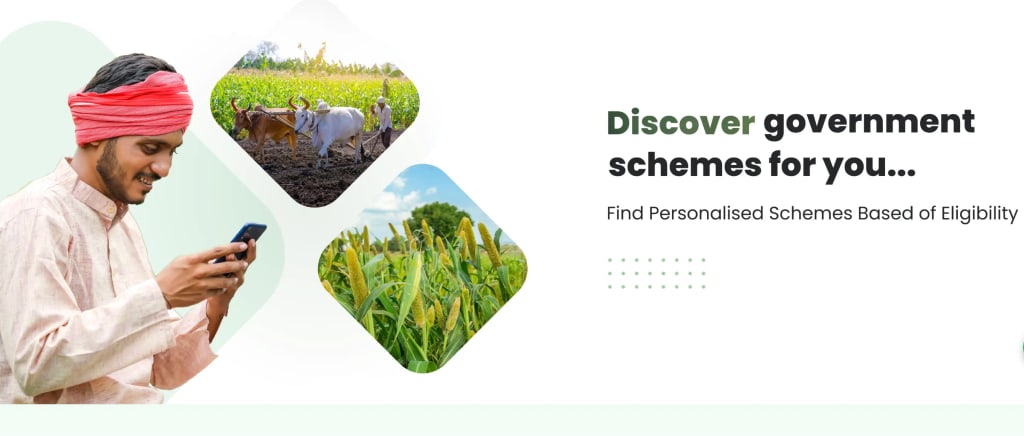
The Government of India has introduced various welfare schemes to address the social and economic needs of its citizens. These schemes cover multiple sectors, including education, healthcare, employment, women empowerment, rural development, and financial inclusion. By implementing these initiatives, the government aims to promote economic growth, reduce poverty, and improve the standard of living across different sections of society.
Pradhan Mantri Jan Dhan Yojana (PMJDY)
Launched in 2014, the Pradhan Mantri Jan Dhan Yojana is one of the largest financial inclusion programs in the world. It aims to provide universal access to banking services, including savings accounts, credit facilities, insurance, and pension schemes. Under this initiative, every Indian citizen can open a basic savings bank account with zero balance. The scheme also offers an overdraft facility and accident insurance cover, ensuring financial security for the economically weaker sections.
Pradhan Mantri Awas Yojana (PMAY)
The Pradhan Mantri Awas Yojana is a flagship housing scheme that aims to provide affordable housing for all by 2024. It has two components—PMAY-Urban for city dwellers and PMAY-Gramin for rural residents. The scheme provides financial assistance through interest subsidies and direct funding to enable people to construct or purchase their own homes. Beneficiaries, particularly from low-income and economically weaker sections, can avail of this opportunity to fulfill their dream of homeownership.
Ayushman Bharat – Pradhan Mantri Jan Arogya Yojana (PM-JAY)
Ayushman Bharat, also known as PM-JAY, is the world's largest government-sponsored health insurance program. Launched in 2018, it provides free health coverage of up to ₹5 lakh per family per year for secondary and tertiary hospital treatments. The scheme primarily targets economically vulnerable families and ensures access to quality healthcare services without financial hardship. Beneficiaries can avail of treatment at both public and empaneled private hospitals across the country.
Mahatma Gandhi National Rural Employment Guarantee Act (MGNREGA)
Introduced in 2005, MGNREGA is one of India's most significant social security programs, ensuring the right to work for rural households. Under this scheme, the government guarantees 100 days of wage employment per year to adult members of rural families willing to do unskilled manual labor. The initiative not only provides economic stability to rural workers but also aids in the development of rural infrastructure, such as roads, water conservation projects, and irrigation facilities.
Pradhan Mantri Kisan Samman Nidhi (PM-KISAN)
PM-KISAN is a direct benefit transfer scheme launched in 2019 to provide financial assistance to small and marginal farmers. Under this program, eligible farmers receive ₹6,000 per year in three equal installments directly into their bank accounts. The scheme aims to support farmers in meeting their agricultural expenses and improving their financial stability. This initiative has played a crucial role in enhancing farmers’ incomes and ensuring the sustainability of the agricultural sector.
Beti Bachao Beti Padhao (BBBP)
The Beti Bachao Beti Padhao scheme was launched in 2015 to address the declining child sex ratio and promote the education and empowerment of girls in India. This initiative aims to change societal attitudes toward girl children and ensure their well-being and education. It includes awareness campaigns, financial incentives, and support programs to encourage families to invest in their daughters' future. The program has contributed to improving the enrollment of girls in schools and reducing gender-based discrimination.
Pradhan Mantri Mudra Yojana (PMMY)
The Pradhan Mantri Mudra Yojana, launched in 2015, provides financial support to small and micro-enterprises in India. The scheme offers collateral-free loans under three categories—Shishu, Kishor, and Tarun—based on the size of the business and its funding requirements. By facilitating easy access to credit, the scheme encourages entrepreneurship, self-employment, and the growth of small businesses, which are essential drivers of the Indian economy.
Stand-Up India Scheme
The Stand-Up India scheme was introduced in 2016 to promote entrepreneurship among women and marginalized communities, including Scheduled Castes (SCs) and Scheduled Tribes (STs). The program provides loans ranging from ₹10 lakh to ₹1 crore for starting new businesses in the manufacturing, services, or trading sectors. By supporting job creation and business ownership, this initiative aims to strengthen economic inclusion and empower underprivileged sections of society.
Digital India Program
The Digital India initiative was launched in 2015 with the goal of transforming India into a digitally empowered society and knowledge economy. The program focuses on improving digital infrastructure, enhancing internet accessibility, and promoting e-governance services. Various projects under this initiative include the promotion of digital payments, online education, telemedicine, and digital literacy programs. By increasing connectivity and technological adoption, Digital India is helping bridge the urban-rural divide and making government services more accessible to all citizens.
Atal Pension Yojana (APY)
Atal Pension Yojana is a government-backed pension scheme aimed at workers in the unorganized sector. Launched in 2015, it encourages individuals to save for their retirement by contributing to a pension fund. The scheme offers a fixed monthly pension after retirement, depending on the contributions made during the working years. The government also provides co-contributions to encourage participation in the scheme, ensuring financial security for elderly individuals in the lower-income category.
National Rural Health Mission (NRHM)
The National Rural Health Mission, now part of the National Health Mission (NHM), was launched to improve healthcare facilities in rural India. The scheme focuses on maternal and child health, immunization programs, disease control, and infrastructure development in healthcare centers. Accredited Social Health Activists (ASHAs) play a key role in connecting rural communities with healthcare services. Through this initiative, the government aims to reduce infant and maternal mortality rates and provide quality healthcare to people living in remote areas.
Skill India Mission
The Skill India Mission was launched in 2015 to equip young Indians with employable skills and vocational training. The initiative includes various programs such as the Pradhan Mantri Kaushal Vikas Yojana (PMKVY), which provides free skill training and certification in different industries. The mission aims to bridge the gap between education and employment by preparing individuals for industry-specific job roles. By promoting skill development, the program enhances employment opportunities and contributes to economic growth.
Make in India
The Make in India campaign was introduced in 2014 to boost domestic manufacturing and attract foreign investment in India’s industrial sector. The initiative focuses on sectors such as automobile manufacturing, electronics, textiles, and defense production. By creating a favorable business environment, simplifying regulations, and promoting innovation, Make in India aims to transform India into a global manufacturing hub and generate employment opportunities.
Conclusion
Government schemes in India play a crucial role in fostering economic development, social welfare, and financial inclusion. These initiatives address various challenges faced by different sections of society, from providing employment and financial assistance to improving healthcare and education. By implementing these schemes effectively, the government continues to work toward a more inclusive and prosperous India. Citizens can take advantage of these schemes to improve their quality of life and contribute to the nation’s growth.
About the Creator
Enjoyed the story? Support the Creator.
Subscribe for free to receive all their stories in your feed.
Comments