
Global economy and inflation speaking with coded joke
Inflation and impact us
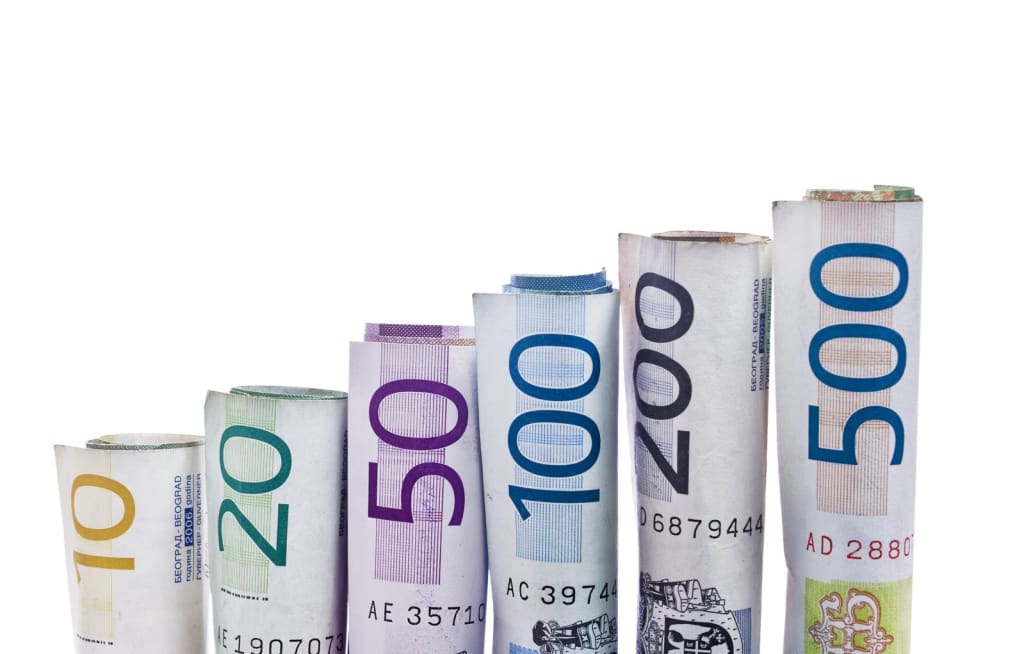
Economy
The economy refers to the system by which goods and services are produced, distributed, and consumed in a society. It includes all the activities related to buying and selling, production, and consumption of goods and services. The economy can be divided into different sectors, including the primary sector (which involves natural resource extraction), the secondary sector (which involves manufacturing), and the tertiary sector (which involves services).
There are many factors that can affect the economy, including government policies, technological advancements, global events, and natural disasters. One of the key indicators of the health of an economy is the Gross Domestic Product (GDP), which measures the total value of all goods and services produced within a country's borders over a certain period of time.
Economies can also experience different types of growth, such as sustainable growth, which is characterized by stable economic expansion, or inflationary growth, which is characterized by rising prices and a decrease in the purchasing power of money.
Understanding the economy is important because it can have a significant impact on people's lives, including their job prospects, income, and standard of living. Additionally, policies related to the economy, such as taxation and government spending, can have wide-ranging effects on society as a whole.Inflation is a general increase in the prices of goods and services in an economy over time. This means that the purchasing power of money decreases, as more money is needed to buy the same amount of goods and services. Inflation is usually measured by calculating the percentage increase in the Consumer Price Index (CPI) over a certain period of time.
Inflation can be caused by a variety of factors, including an increase in the demand for goods and services, a decrease in the supply of goods and services, or an increase in the cost of production. Inflation can also be influenced by government policies, such as the monetary policy of a central bank.
Inflation
Inflation can have both positive and negative effects on an economy. In the short term, inflation can stimulate economic growth, as businesses increase production to meet the increased demand for goods and services. However, high levels of inflation can lead to a decrease in consumer spending, as people may become more hesitant to spend money due to the decreased purchasing power of their income.
Inflation can also have a negative impact on the value of savings and investments, as the real value of these assets can decrease over time due to inflation. Additionally, inflation can lead to wage increases, as workers demand higher salaries to keep up with the rising cost of living.
Central banks and governments often use monetary and fiscal policies to control inflation, such as adjusting interest rates, increasing or decreasing government spending, or implementing policies to increase the supply of goods and services. The goal is usually to maintain a stable inflation rate that promotes economic growth while also preserving the value of money over time.
I'd be happy to give you an example of the global economy with a fun story and a joke!
Story:
Once upon a time, there was a small village in a far-off land. The villagers were all farmers, and they grew just enough crops to feed themselves and their families. One day, a wise traveler came to the village and taught the farmers a new technique for growing crops. The farmers were skeptical at first, but they tried the new technique and were amazed at how much more food they could grow with it.
With the surplus food, the villagers started trading with neighboring villages. They would trade their excess crops for goods and services that they couldn't produce themselves, like clothes and tools. As their trading network grew, the villagers became more prosperous and their standard of living improved.
The traveler had introduced the villagers to the concept of the global economy, where countries and regions trade with each other to their mutual benefit. By specializing in certain products or services, and then trading with other countries for what they need, countries can increase their overall wealth and well-being.
Joke:
Why did the economist refuse to go on a roller coaster?
Because he didn't want to experience any ups and downs!
Impact
Inflation can have a significant impact on both the domestic economy of a country and the global economy as a whole. Here are some of the ways that inflation can affect the economy:
Purchasing power: As inflation increases, the purchasing power of money decreases. This means that people need more money to buy the same amount of goods and services. This can lead to decreased consumer spending, which can slow down economic growth.
Interest rates: Inflation can lead to higher interest rates, as central banks may raise interest rates to combat inflation. Higher interest rates can make it more expensive for people and businesses to borrow money, which can reduce investment and slow down economic growth.
Stock market: Inflation can impact the stock market, as investors may become more hesitant to invest in stocks due to concerns about inflation. This can lead to decreased investment, which can slow down economic growth.
International trade: Inflation can also impact international trade, as it can affect exchange rates between currencies. If a country experiences high inflation, its currency may weaken relative to other currencies, making its exports cheaper and more competitive. However, if inflation is too high, it can also lead to decreased international investment in the country, which can slow down economic growth.
Income distribution: Inflation can also affect income distribution, as it can lead to increased wage demands from workers. This can result in higher labor costs for businesses, which can lead to increased prices for consumers.
In summary, inflation can have a significant impact on the economy, including consumer spending, interest rates, the stock market, international trade, and income distribution. Governments and central banks use various policies and tools to try to control inflation and maintain economic stability.
About the Creator
Enjoyed the story? Support the Creator.
Subscribe for free to receive all their stories in your feed.
Comments
There are no comments for this story
Be the first to respond and start the conversation.