
Future at stake’: India moves to demolish university Muslim leader founded
A controversial plan to demolish parts of a historic university established by a prominent Muslim leader has sparked debate over heritage, education, and minority rights in India.
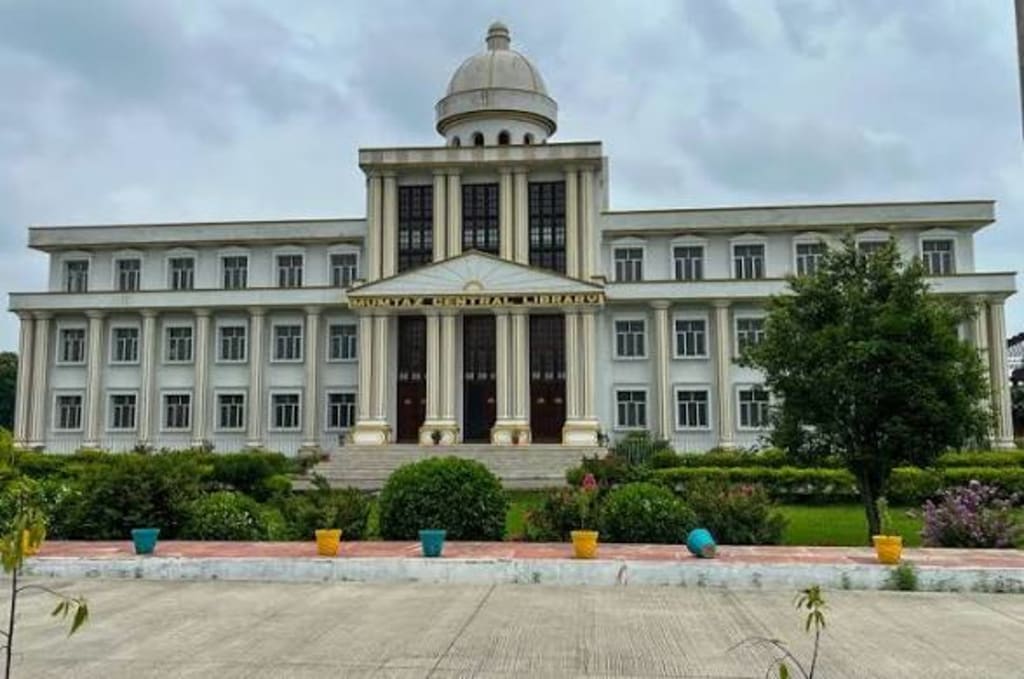
A decision by local authorities in India to move forward with the demolition of structures linked to a university founded by a prominent Muslim leader has triggered widespread concern among students, academics, community representatives, and heritage conservationists. Critics argue that the move threatens not only historic buildings but also the educational legacy of an institution that has played a significant role in shaping generations of students.
The dispute centers on a university established during a period of social and political transformation in India. Founded by a respected Muslim reformer and educator, the institution was created with the vision of expanding access to modern education while preserving cultural and intellectual traditions. Over the decades, the university grew into an important center of learning, attracting students from diverse backgrounds and contributing to national academic development.
Authorities involved in the demolition proposal maintain that the action is necessary for urban redevelopment, infrastructure improvements, and public safety considerations. Officials argue that some of the targeted structures have deteriorated over time and may no longer meet modern safety standards. They also contend that redevelopment projects could provide improved facilities and better services for current and future students.
However, opposition to the plan has been swift and vocal. Student organizations, faculty members, alumni associations, and civil society groups have questioned both the necessity and timing of the proposed demolition. Many believe that the affected buildings possess significant historical, architectural, and cultural value that cannot easily be replaced.
Demonstrations have taken place on and around the university campus, with participants carrying banners emphasizing the institution's educational importance. Students expressed fears that the demolition could disrupt academic activities and alter the historic character of the campus. For many, the controversy extends beyond individual buildings and touches on broader concerns about identity, representation, and cultural preservation.
“This is not only about bricks and walls,” one student representative said during a public gathering. “It is about protecting a legacy that has inspired generations. The future of students and the history of this institution are deeply connected.”
Historians note that universities often serve as repositories of collective memory. Many older campuses contain buildings that reflect the social, political, and intellectual movements that shaped their creation. Removing such structures, they argue, risks erasing tangible links to important chapters in national history.
The university's founder is widely remembered for advocating educational advancement and social reform. His vision emphasized the importance of knowledge, scientific learning, and community development. Supporters of preservation efforts argue that the buildings associated with his legacy represent more than architectural landmarks; they symbolize a broader commitment to educational opportunity and social progress.
Conservation experts have suggested alternatives to demolition, including restoration and adaptive reuse projects. Such approaches have been employed in many countries where historic educational institutions face modernization pressures. Preservation advocates argue that older buildings can often be renovated to meet safety requirements while retaining their cultural significance.
Legal challenges may also play a role in determining the future of the site. Lawyers representing community groups have explored avenues for seeking heritage protection status for certain structures. If granted, such recognition could limit or delay demolition efforts and require authorities to consider alternative solutions.
The controversy has generated significant discussion across social media platforms and public forums. Alumni from around the world have voiced support for preservation campaigns, sharing personal stories about their experiences at the university. Many describe the campus as a symbol of educational achievement and cultural coexistence.
Political observers note that disputes involving historic institutions often become highly sensitive, particularly when issues of religion, identity, and heritage intersect. In a country as diverse as India, decisions affecting historically significant sites can generate intense public debate and attract national attention.
Government officials have emphasized that redevelopment plans should not be interpreted as an attack on any community or educational tradition. They insist that decisions are based on administrative and planning considerations rather than religious or political motivations. Nevertheless, critics remain skeptical and continue to call for greater transparency regarding the project's objectives and long-term implications.
Education experts warn that uncertainty surrounding the future of university facilities can have practical consequences for students. Concerns about disruptions to classes, research activities, and campus life have become central themes in the ongoing debate. Some students worry that prolonged disputes could affect academic schedules and institutional reputation.
The situation also highlights broader questions about balancing development with heritage conservation. Rapid urban growth and infrastructure demands often place pressure on historic sites, forcing policymakers to weigh competing priorities. While modernization may bring economic and practical benefits, preservation advocates argue that cultural landmarks provide value that cannot be measured solely in financial terms.
As discussions continue, calls for dialogue have grown louder. Community leaders, academics, and heritage organizations have urged authorities to engage with stakeholders before proceeding with irreversible actions. They argue that collaborative solutions may offer a path forward that addresses safety and development needs while protecting historically important structures.
For many students and supporters, the issue remains deeply personal. The university is viewed not merely as a collection of buildings but as a living institution shaped by generations of scholars, teachers, and reformers. Its history, they contend, represents a vital part of India's educational landscape.
Whether the demolition plan ultimately proceeds or is modified through negotiations, legal interventions, or public pressure, the controversy has already sparked a wider conversation about heritage, education, and the responsibilities of preserving institutions that carry historical significance. For those who study and work at the university, the outcome will influence not only the campus's physical appearance but also the legacy that future generations inherit.
About the Creator
Enjoyed the story? Support the Creator.
Subscribe for free to receive all their stories in your feed.
Comments
There are no comments for this story
Be the first to respond and start the conversation.