
Fabric Inspection Machines: Ensuring Quality and Efficiency in Textile Manufacturing
In the textile industry, quality assurance is paramount to maintaining customer satisfaction and competitive advantage.
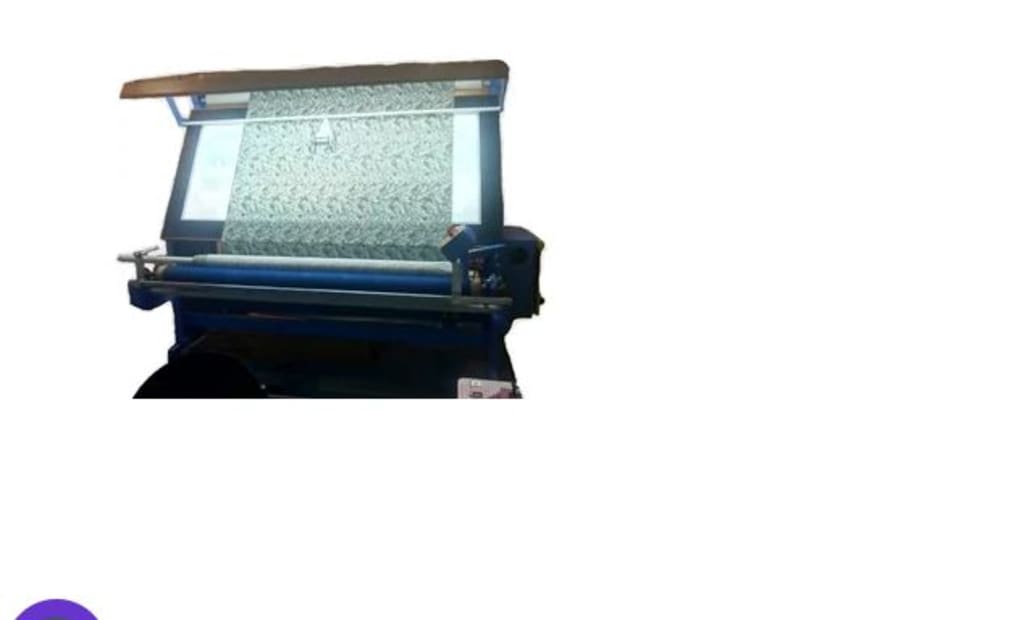
Fabric inspection machines play a crucial role in ensuring the quality of textile products by identifying defects, irregularities, and inconsistencies in fabrics before they proceed to the next stage of production. By automating the inspection process, these machines not only enhance the accuracy of defect detection but also improve operational efficiency and reduce waste.
What is a Fabric Inspection Machine?
A fabric inspection machine is a specialized piece of equipment used to inspect and assess fabric quality in textile manufacturing. These machines are designed to detect and classify various types of defects, such as holes, stains, color variations, yarn defects, and other inconsistencies that may occur during the production process. The machine scans fabrics as they pass through, using sensors, cameras, and advanced software to identify and categorize defects accurately.
Fabric inspection machines can be used for a wide range of fabrics, including woven, knitted, and non-woven materials. Depending on the specific requirements of a textile manufacturer, these machines can be customized to handle various fabric widths, weights, and types, making them versatile tools in quality control operations.
Benefits of Using Fabric Inspection Machines
Enhanced Quality Control
One of the primary benefits of fabric inspection machines is their ability to detect defects with a high degree of accuracy. By identifying flaws early in the production process, manufacturers can prevent defective fabrics from reaching customers or proceeding to subsequent stages, such as cutting or sewing. This ensures that only high-quality fabrics are used in final products, leading to greater customer satisfaction.
Increased Efficiency
Manual fabric inspection can be labor-intensive and time-consuming, especially for large quantities of fabric. Fabric inspection machine automate this process, allowing for faster inspection rates without sacrificing accuracy. This efficiency leads to shorter lead times and higher productivity, which is especially beneficial for manufacturers operating in fast-paced or high-demand markets.
Reduction of Waste and Cost Savings
By identifying defects early, fabric inspection machines help reduce waste associated with defective fabrics. When defects are detected after the fabric has been cut or sewn, the cost of waste can be significant. Early detection allows manufacturers to address quality issues sooner, minimizing the need for costly rework or material disposal. This ultimately leads to cost savings and a more sustainable production process.
Consistent and Objective Inspection
Manual inspection is subject to human error, fatigue, and inconsistencies in judgment. Fabric inspection machines provide a standardized approach to quality control, ensuring that each piece of fabric is inspected with the same level of rigor and accuracy. This consistency is critical for maintaining high-quality standards and achieving reliable, repeatable results.
Comprehensive Data Collection and Reporting
Modern fabric inspection machines are equipped with advanced software that can generate detailed reports on defect types, frequency, and location. This data provides valuable insights into potential issues in the manufacturing process, allowing for proactive improvements. Additionally, these reports can be used to maintain a record of quality control and to demonstrate compliance with industry standards or customer requirements.
Key Features of Fabric Inspection Machines
High-Resolution Cameras and Sensors
Fabric inspection machines use high-resolution cameras and advanced sensors to capture even the smallest defects. These components ensure that no irregularities go unnoticed, regardless of the fabric type or texture. Advanced optical systems allow for precise and detailed defect detection.
Automatic Defect Classification
Many fabric inspection machines come with software that automatically classifies defects based on predefined criteria. This feature helps operators quickly understand the nature and severity of each defect, enabling more efficient decision-making. Automatic classification also supports comprehensive reporting and analysis.
Adjustable Speed and Tension Controls
Fabric inspection machines are often equipped with adjustable speed and tension controls, allowing operators to fine-tune the inspection process according to the specific needs of the fabric. These controls help prevent stretching or damage to delicate fabrics, ensuring that the inspection process is gentle yet effective.
Integrated Lighting Systems
Proper lighting is crucial for effective fabric inspection. Integrated lighting systems, such as LED or fluorescent lights, provide consistent illumination that enhances defect visibility. Many machines offer adjustable lighting settings to accommodate different fabric colors and textures.
User-Friendly Interface
A user-friendly interface is essential for efficient operation. Modern fabric inspection machines come with intuitive control panels and touchscreens that allow operators to set parameters, monitor progress, and access inspection reports with ease.
Conclusion
Fabric inspection machines are indispensable tools for textile manufacturers aiming to deliver high-quality products and streamline their operations. By automating the inspection process, these machines provide a reliable, accurate, and efficient solution to defect detection and quality control. The use of fabric inspection machines not only ensures customer satisfaction by delivering flawless fabrics but also supports manufacturers in reducing costs, improving productivity, and minimizing waste. As the textile industry continues to evolve, fabric inspection machines will remain a valuable investment for companies committed to maintaining high standards of quality.
About the Creator
Enjoyed the story? Support the Creator.
Subscribe for free to receive all their stories in your feed.
Comments
There are no comments for this story
Be the first to respond and start the conversation.