
Exploring the Power of Infrared Thermography in Electrical Systems Word
One valuable tool that professionals rely on is infrared thermography.
In the world of electrical systems, it is crucial to identify potential risks and mitigate them before they escalate into costly issues. One valuable tool that professionals rely on is infrared thermography. This state-of-the-art technology harnesses the power of thermal imaging to detect and prevent electrical faults, ensuring the safety, efficiency, and reliability of electrical equipment. We will delve into the ins and outs of infrared thermography and understand why it has become an indispensable part of electrical preventative maintenance.
Understanding Infrared Thermography
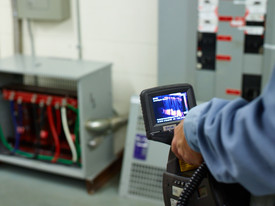
Infrared thermography employs thermographic cameras to capture and visualize the distribution of heat in electrical systems. By using infrared radiation, which is beyond the range of human perception, these cameras analyze and illustrate temperature variations, enabling technicians to identify and diagnose issues that may not be evident otherwise. This non-invasive and non-contact method revolutionizes the way electrical systems are monitored, providing valuable insights into potential failures.
Benefits and Applications
Detection of High-Resistance Electrical Connections: One of the primary applications of infrared thermography is the identification of high-resistance electrical connections. These faulty connections can generate excessive heat due to increased resistance, leading to energy loss and potential fire hazards. By pinpointing these connections early on, infrared thermography helps mitigate risks, prevent equipment failures, and ensure the safety of personnel.
- Defective Circuit Breaker Identification: Infrared thermography enables technicians to identify defective circuit breakers by detecting abnormal heat signatures. Malfunctioning circuit breakers can cause equipment damage, production downtime, and even safety hazards. By using thermal imaging cameras, professionals can detect these issues before they escalate, allowing for timely repairs or replacements.
- Current Overload Conditions: Overloaded circuits can lead to overheating, increased energy consumption, and premature equipment failure. Infrared thermography provides a visual representation of temperature variations caused by excessive current flow, making it easier to identify overloaded circuits and prevent potential damage.
- Defective Insulator Detection: Insulators play a crucial role in electrical systems, preventing current leakage and ensuring the stability of the overall system. However, defective insulators can compromise the system's integrity, leading to safety hazards and operational inefficiencies. Infrared thermography assists in the identification of defective insulators by detecting anomalies in temperature distribution, allowing for prompt maintenance actions.
Complementing Infrared Thermography
While infrared thermography offers invaluable insights into electrical systems, it works most effectively when used in combination with other diagnostic techniques. Ultrasonic testing, for example, can uncover problems such as corona discharge, arcing, or vibration that are beyond the reach of thermal imaging. When used together, these complementary methods provide a comprehensive assessment of the electrical system's condition, maximizing its reliability and durability.
Infrared thermography has revolutionized how professionals monitor and maintain electrical systems. By harnessing the power of thermal imaging, technicians can identify potential risks, prevent equipment failures, and ensure the safety of personnel. Whether detecting high-resistance electrical connections, identifying defective circuit breakers, or pinpointing overloaded circuits, infrared thermography plays a vital role in electrical preventative maintenance. By utilizing this advanced technology, businesses can minimize downtime, improve energy efficiency, and optimize the lifespan of their electrical equipment.
Regularly Maintenance
Another area where infrared thermography has proven its worth is in predictive maintenance. By regularly inspecting mechanical and electrical equipment using thermal imaging cameras, technicians can detect and address potential issues before they escalate into costly failures. This proactive approach helps minimize downtime, extend equipment lifespan, and optimize maintenance schedules, ultimately leading to significant cost savings for businesses.
Overall, the power of infrared thermography lies in its ability to visually represent temperature variations, enabling professionals to identify hidden issues and take timely corrective actions. Whether in the realm of electrical systems, building diagnostics, or predictive maintenance, this advanced technology has become an invaluable tool for ensuring safety, improving efficiency, and optimizing operations in various industries.
About the Creator
Enjoyed the story? Support the Creator.
Subscribe for free to receive all their stories in your feed.
Comments
There are no comments for this story
Be the first to respond and start the conversation.