
Exploring the Dangers of Car Audio Capacitors: Myths vs. Facts
Unveiling the Truth: Are Car Audio Capacitors Beneficial or Hazardous to Your Sound System?

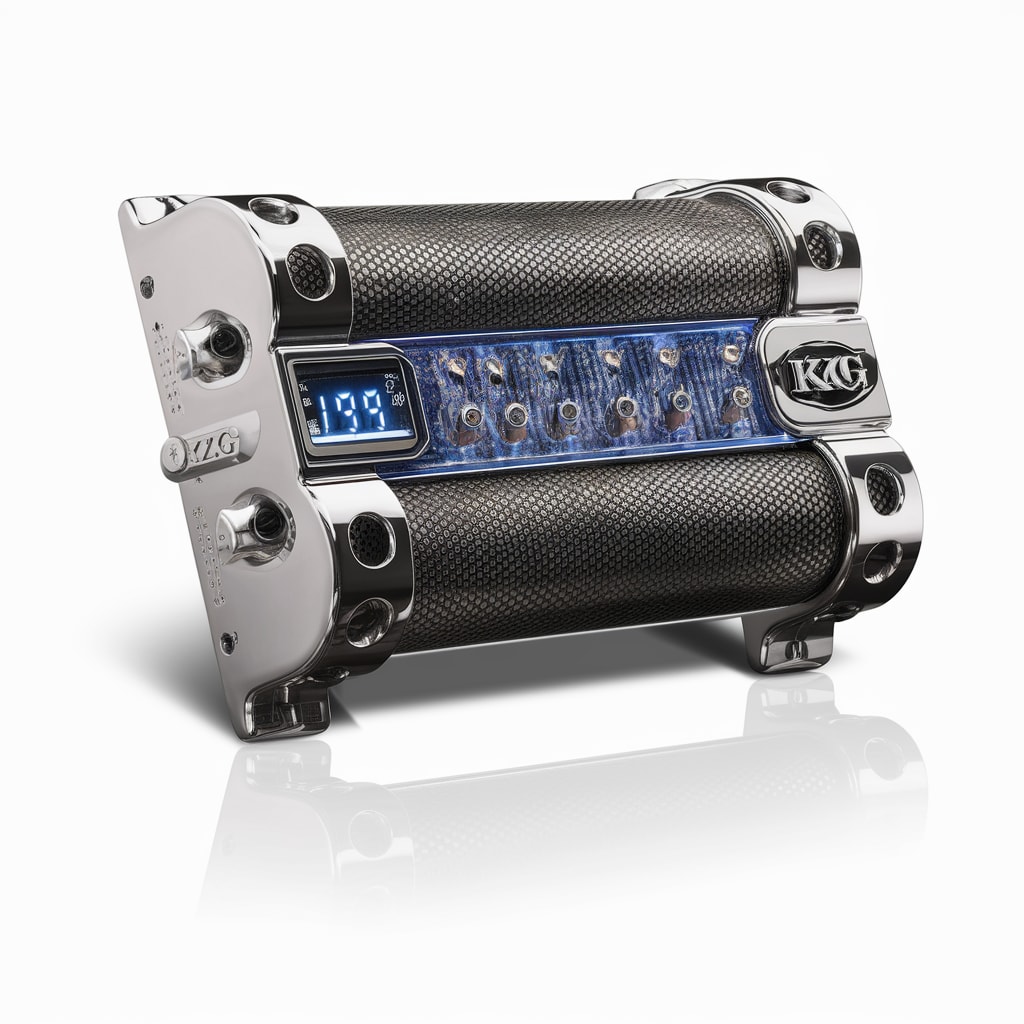
Exploring the Dangers of Car Audio Capacitors: Myths vs. Facts
When it comes to optimizing car audio systems, capacitors are often a topic of heated debate. While some enthusiasts swear by their benefits, others question their necessity and raise concerns about potential dangers. As a car audio expert, I'm here to unravel the myths and facts surrounding car audio capacitors, helping you make an informed decision about their use in your setup.
Understanding Car Audio Capacitors
Before diving into the myths and facts, let's start with a basic understanding of what car audio capacitors are and their role in an audio system. A capacitor is an electronic component that stores and releases electrical energy. In car audio systems, capacitors are used to provide a quick burst of power to the amplifier during peak demand, helping to maintain voltage stability and improve overall performance. Explore more about car audio systems at Car Audio Amplified.
Myth 1: Capacitors Can Improve Sound Quality
Fact: While capacitors can help stabilize voltage and reduce the strain on the car's electrical system, they do not directly improve sound quality. The primary purpose of a capacitor is to ensure that the amplifier receives consistent power during high-demand situations, such as heavy bass hits. This can prevent voltage drops that might cause the amplifier to underperform or shut down. However, the capacitor itself does not enhance the audio signal or improve the sound quality. Discover high-quality capacitors and other car audio accessories at CarAudioAmplified.com.
Myth 2: Capacitors Are Dangerous and Can Explode
Fact: While it's true that capacitors can be dangerous if mishandled, the risk of explosion is minimal with proper use and installation. Most modern car audio capacitors are equipped with built-in safety features, such as pressure release vents and thermal protection, to prevent catastrophic failure. The key to safety is ensuring that the capacitor is properly rated for your system, installed correctly, and regularly maintained. When these precautions are taken, the risk of a capacitor exploding is extremely low. Learn about safe installation practices at CarAudioAmplified.
Myth 3: Any Capacitor Will Work for My Car Audio System
Fact: Not all capacitors are created equal. It's essential to choose a capacitor that matches the requirements of your specific audio system. Capacitors are rated in farads, which indicate their storage capacity. For most car audio systems, a capacitor in the range of 0.5 to 2.0 farads is sufficient. However, high-powered systems may require capacitors with higher ratings. Additionally, factors such as the quality of the capacitor and its ESR (Equivalent Series Resistance) play a significant role in its performance and reliability. Ask what capacitor you should use for your system at CarAudioAmplified.
Myth 4: Capacitors Are a Waste of Money
Fact: Whether a capacitor is a worthwhile investment depends on your specific needs and setup. For systems with moderate power demands and well-maintained electrical systems, a capacitor might not be necessary. However, for high-powered setups that experience voltage drops or dimming lights during heavy bass hits, a capacitor can provide noticeable benefits by stabilizing voltage and improving performance. Ultimately, the value of a capacitor depends on the unique demands of your audio system.
Myth 5: Installing a Capacitor Will Solve All Electrical Problems
Fact: While a capacitor can help mitigate certain electrical issues, it is not a cure-all solution. If your car's electrical system is already struggling to keep up with the demands of your audio setup, a capacitor alone won't fix the problem. It's crucial to address the root causes of electrical issues, such as upgrading the alternator, battery, and wiring. A capacitor should be seen as a supplementary component that can enhance a well-designed electrical system, rather than a standalone solution. Get expert advice on electrical upgrades at CarAudioAmplified.com.
Practical Tips for Using Car Audio Capacitors
Choose the Right Size: Ensure that the capacitor you select is appropriately rated for your system's power demands. As a general rule, aim for 1 farad of capacitance for every 1,000 watts of RMS power. Shop capacitors at CarAudioAmplified.com.
Proper Installation: Follow manufacturer guidelines for installation, including using the correct gauge wire and ensuring a secure ground connection. Improper installation can lead to performance issues and potential safety hazards. Find installation guides and accessories at CarAudioAmplified.com.
Regular Maintenance: Periodically check the capacitor for signs of wear or damage. Ensure that the connections are secure and that the capacitor is functioning correctly.
(Suggested) Consider an Alternator Upgrade: If you find that your system consistently struggles with voltage drops, it may be time to upgrade your alternator or battery to meet the demands of your audio setup. Ask whats the best alternators for your car audio system at CarAudioAmplified.com.
Conclusion
Car audio capacitors can be a valuable addition to your system when used correctly and for the right reasons. By understanding the myths and facts surrounding capacitors, you can make an informed decision about their role in your audio setup. Remember, a well-designed and maintained electrical system is key to achieving optimal performance and longevity for your car audio components. Visit CarAudioAmplified.com for all your car audio needs and expert advice.
About the Creator
Car Audio Amplified
Car Audio Amplified is the premier online community and marketplace for car enthusiasts offering a comprehensive platform where users can ask complex car audio questions, read expert reviews and articles, and engage in vibrant discussions.
Enjoyed the story? Support the Creator.
Subscribe for free to receive all their stories in your feed.
Comments
There are no comments for this story
Be the first to respond and start the conversation.