
Exploring Innovative Teaching Methodologies for Kids: Best Practices in Early Childhood Education.
Nurturing Young Minds Through Play, Inquiry, and Creativity: Modern Approaches to Early Learning Success
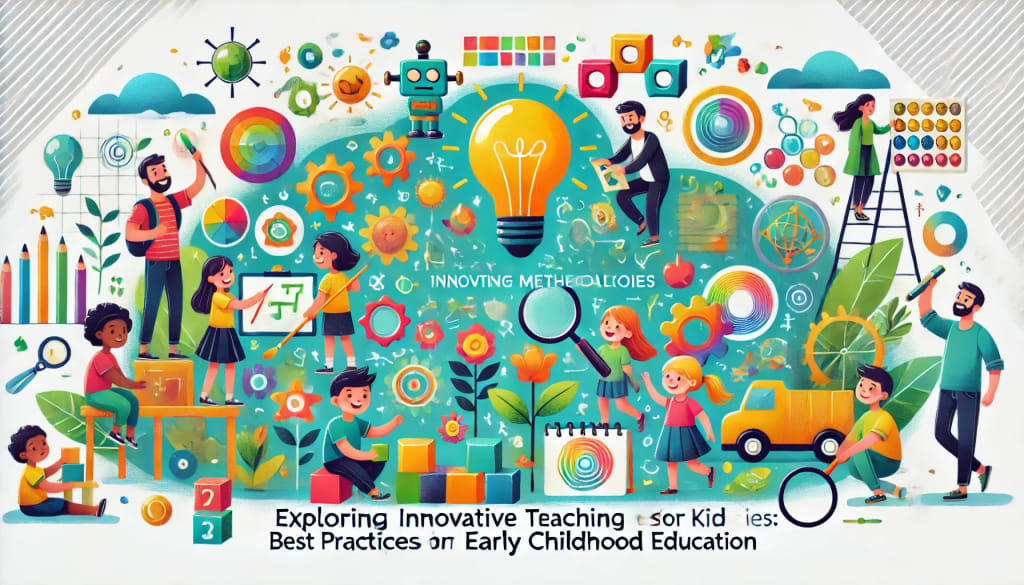
In today’s rapidly changing educational environment, selecting the right teaching methodology for children is crucial for their development and learning. Both playschools and preschools are now focusing on modern teaching strategies that engage kids through creativity, exploration, and interaction. Let’s take a look at some of the most innovative methodologies and best practices in early childhood education.
1. Play-Based Learning Approach
This method is based on the belief that children learn best when they are playing. Activities such as building blocks, puzzles, and role-playing help children enhance their problem-solving abilities and improve social skills. Play-based education is commonly used in playschools to stimulate curiosity and nurture early friendships.
Key Benefits:
- Promotes cognitive development
- Encourages creativity and teamwork
- Reduces learning pressure through enjoyable activities
2. Montessori Method
Developed by Maria Montessori, this approach highlights the importance of independence and hands-on learning. Montessori schools create a structured environment where children can learn at their own pace using specially designed materials.
Key Benefits:
- Fosters self-discipline and independence
- Encourages exploration and curiosity
- Focuses on practical life skills
3. Reggio Emilia Approach
This child-centered philosophy emphasizes experiential learning. It encourages children to express themselves through art, music, and storytelling, with teachers acting as co-learners to create a collaborative classroom environment.
Key Benefits:
- Encourages self-expression and creativity
- Promotes collaborative learning
- Adapts lessons based on children’s interests
4. STEM Learning for Kids
Introducing Science, Technology, Engineering, and Math (STEM) concepts at an early age helps children develop analytical thinking. Many preschools are now incorporating STEM activities into their curriculum to ignite interest in these fields.
Key Benefits:
- Builds critical thinking and problem-solving skills
- Prepares children for future learning in science and technology.
5. Inquiry-Based Learning
This approach emphasizes the importance of asking questions and discovering answers through hands-on exploration. Children are encouraged to inquire about “why” and “how,” which helps nurture their curiosity and critical thinking abilities.
Key Benefits:
- Encourages independent thought
- Enhances research and observation skills
- Cultivates a lifelong passion for learning
6. Blended Learning with Technology
Many playschools and preschools are now integrating digital tools such as tablets and smartboards into their educational practices. Blended learning merges traditional teaching methods with digital resources, creating a more engaging learning environment.
Key Benefits:
- Equips children for a digital future
- Provides tailored learning experiences
- Boosts engagement through interactive content
FAQs
1. What is the difference between playschool and preschool?
Playschools focus primarily on playful activities and socialization, while preschools introduce structured learning to prepare children for formal schooling.
2. Which teaching methodology is the best for young children?
There isn’t a one-size-fits-all method. It depends on the child’s needs and interests. A combination of play-based and Montessori approaches often works well for many kids.
3. Why is play-based learning important?
Play-based learning helps children develop essential social, emotional, and cognitive skills in a stress-free environment, promoting a love for learning.
4. How can parents support teaching methodologies at home?
Parents can engage in storytelling, art activities, and educational games at home. Regular communication with teachers also helps align home activities with school learning.
About the Creator
Enjoyed the story? Support the Creator.
Subscribe for free to receive all their stories in your feed.
Comments
There are no comments for this story
Be the first to respond and start the conversation.