
Everything You Ever Wanted to Know About Upskilling
Empowering Lifelong Learning and Career Development


Introduction:
In an ever-evolving professional landscape, the ability to adapt and learn new skills is critical. This is where the concept of upskilling comes into play. Upskilling refers to the process of acquiring new and relevant competencies needed to thrive in a particular job or industry. It is about lifelong learning, continuous improvement, and the drive to remain competitive in a rapidly changing world. This comprehensive guide will delve into everything you need to know about upskilling, its importance, and how to effectively incorporate it into your personal and professional growth strategy.

Understanding Upskilling:
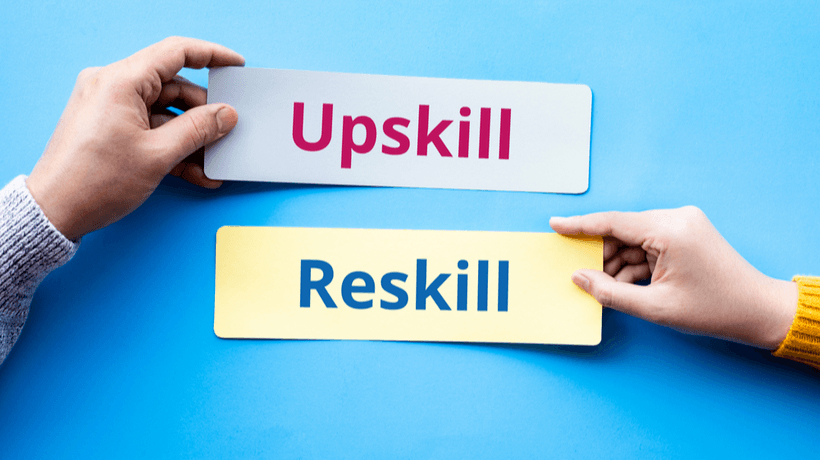
Upskilling is the process of learning new skills or enhancing existing ones. Unlike reskilling, which involves training in a new type of job when one's previous job has become obsolete, upskilling builds on the skills an individual already possesses. Upskilling can involve training in areas directly related to one's job or in peripheral areas that contribute to overall job performance.
For instance, a marketing professional might upskill by learning advanced data analytics to better understand customer trends, or a software developer might learn a new programming language to be able to work on more diverse projects.

The Importance of Upskilling:
Upskilling serves multiple purposes for both individuals and organizations:
Competitive Advantage: Upskilling helps individuals and organizations stay relevant and competitive in a fast-paced world. As technology and industry trends evolve, new skills become necessary, and those who possess them have an advantage.
Career Progression: For individuals, upskilling can lead to career advancement. By developing new competencies, employees can take on more complex roles, enter leadership positions, or switch career paths.
Employee Engagement and Retention: Organizations offering upskilling opportunities often see higher employee engagement and retention. When employees feel that their personal growth is valued, they are more likely to be satisfied and stay with the company.
Future-Proofing: Upskilling is a critical part of future-proofing oneself or one's organization. By continually learning and adapting, you can prepare for future changes and challenges.
Approaches to Upskilling:
Upskilling can take many forms, depending on an individual's or an organization's needs, resources, and goals. Here are a few approaches:
Online Courses: Many online platforms offer courses in a wide range of fields. These platforms often provide certificates upon completion, adding tangible value to your resume.
Workshops and Seminars: These can be a great way to learn a new skill in a short amount of time. They can be found through professional organizations, industry events, or local community programs.
On-the-Job Training: Many organizations offer training programs for their employees, providing them with the opportunity to upskill while working.
Mentorship and Coaching: Learning from someone more experienced is a time-tested way to upskill. This could be a mentor within your organization, a professional coach, or a community leader.
Self-Learning: With countless resources available online and in print, self-directed learning is a flexible and often cost-effective way to upskill.
Tips for Effective Upskilling:
Identify Your Goals: Understand what skills you need to learn to reach your professional goals. This might involve researching industry trends, talking to mentors, or considering feedback from colleagues or supervisors.
Choose the Right Learning Mode: Consider what learning mode suits you best. Do you prefer online or in-person learning? Self-paced learning or a structured program? Individual learning or collaborative learning?
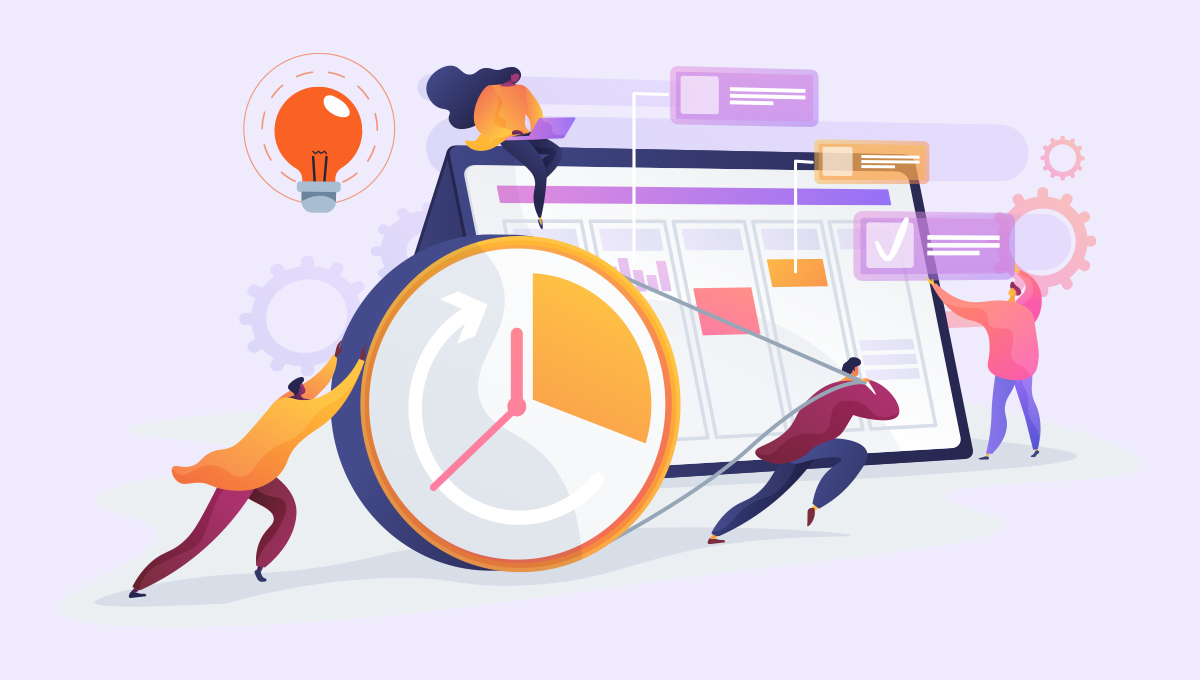
Make Time for Learning: Upskilling requires a commitment of time and energy. It’s essential to create a regular learning schedule and stick to it. Remember, consistency is key when it comes to effective learning.
Apply What You Learn: Look for opportunities to apply your new skills. This could be at work, in a personal project, or in a volunteer role. Real-world application helps consolidate learning and demonstrates the value of your new skills.
Embrace a Growth Mindset: Upskilling is a journey, and there will be challenges along the way. Embrace a growth mindset – the belief that abilities and intelligence can be developed through dedication and hard work. This mindset will help you persist in the face of difficulties and see challenges as opportunities for growth.
The Role of Organizations in Upskilling:
While individuals have a responsibility to drive their own upskilling, organizations also play a critical role. By offering upskilling opportunities, organizations can cultivate a more skilled, engaged, and loyal workforce. They can also ensure that their teams have the skills needed to adapt to changes and drive innovation.

Here are a few ways organizations can support upskilling:
Offer Training Programs: This could be in-house training, external workshops, or access to online courses. Providing a variety of options allows employees to choose the type of learning that suits them best.
Encourage Mentorship: Foster a culture where knowledge sharing is valued. This could be through formal mentorship programs or by encouraging more informal, collaborative relationships.
Provide Opportunities for Growth: Allow employees to take on new responsibilities, work on diverse projects, or rotate roles within the organization. This gives them a chance to apply their new skills and explore different areas of interest.
Recognize and Reward Learning: Show that you value learning by recognizing and rewarding those who take the initiative to upskill. This could be through verbal recognition, opportunities for advancement, or other types of rewards.
Conclusion:
In a world where change is the only constant, upskilling has become a necessity. It’s about lifelong learning, adaptability, and the continuous pursuit of growth and development. Whether you're an individual looking to advance your career or an organization aiming to stay competitive, upskilling should be a key part of your strategy. By embracing upskilling, we can all equip ourselves with the skills needed to navigate the challenges and opportunities of the future. Find more details about LMS for Corporate, LMS for SME, LMS for K 20,
About the Creator
Yamin Raj
Digital marketing consultants identify the most effective ways of advertising or marketing companies products or services using various digital technologies.
Enjoyed the story? Support the Creator.
Subscribe for free to receive all their stories in your feed.
Comments
There are no comments for this story
Be the first to respond and start the conversation.