
Enterprise Resource planning With Cloud Analytics
Emerge Of ERP
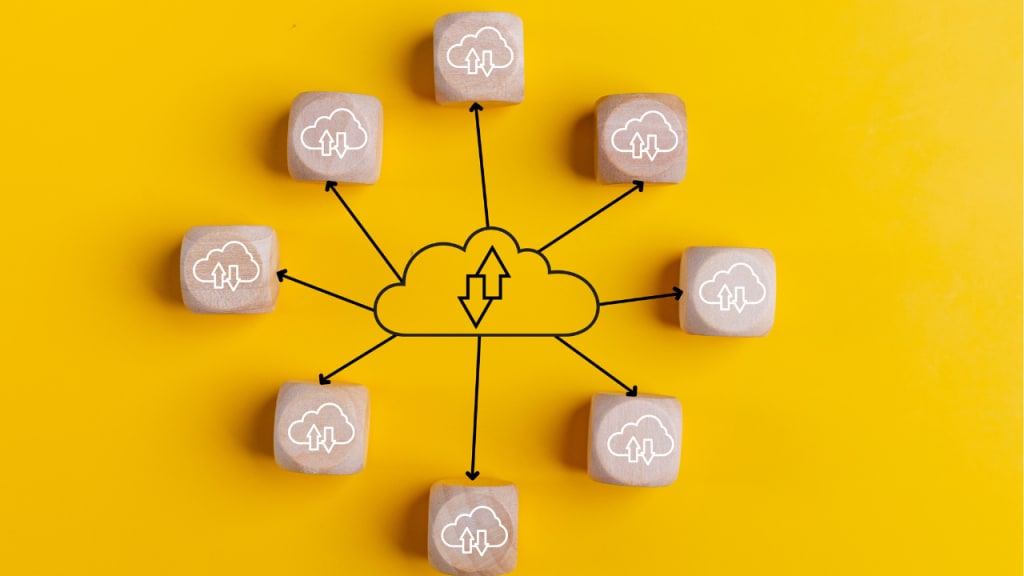
This article can demonstrate how to utilize Analytics Cloud to extend analysis of project data from Enterprise Resource Planning, or ERP. Using the tight integration between Analytics Cloud and Enterprise Resource Planning, we will be able to pull in curated content. Blend in third party data staged in our Autonomous Data Warehouse. Perform what if analysis and apply machine learning to create intuitive visualizations. Using these integrated services together, you will gain additional insights needed to make swift and informed decisions.
Our Demo centers around a project manager who is in charge of delivering a capital building project. This project has already budgeted for raw materials as well as tariffs on items that are imported from other countries. Using Transactional Business Intelligence, or OTBI, to review her project status on a frequent basis. In Project review anyone can attempt to investigate why this project is over budget. However, anyone can only view and analyze data that is available in this application.
So let's take a look at how the project will pull these analysis from the Business Intelligence Reporting tool. So after logging in Project Manager can pull the first pre-built report which will show actuals to date versus the budget to date. At a very high level. And anyone who sees that the actuals have exceeded the budget to date. One who wanted to look into this a little bit more and so pulled the next pre-built report which will provide a little more detail. In this case, the raw materials. One can see that the raw materials are all under budget at this time with the exception of one area. The tariffs that pay to import steel have exceeded that budget.
Without being able to derive any more additional information from these analysis one reaches out to data analysts, to investigate further. Data analyst, uses Analytics Cloud's native applications connector to connect to the ERP Migration and pulls the curated data from the analysis that had already been built.Data Analyst also pulls in the US hard harmonized data scheduled from Autonomous Data Warehouse. By using machine learning on the data anyone can notice that there has been an increase in the data on steel from China.Who does analysis and data visualization switching the source of material.We can then compares and contrasts the project cost and derives that the total cost of buying steel is the lowest when sourced from Mexico.
Once a Data Analyst has completed this work he can share these visuals with the Team in a PowerPoint presentation. Additionally, he can do a couple other things forTeam. Data Analyst can embed these dashboards into ERP so that they may access them at any point in time. If Team clicks a tile in ERP application it will take to the charts and graphs that Data Analyst has created . And you can see that they can see the same information that they were pulling from her OTBI reports from earlier. Additionally, they can also see that if they were to source her steel from Mexico as opposed to China they would see a cost savings as opposed to a cost overrun.
Secondly, if Team wants to be able to review their project status on the go, they can use ERP day by day mobile applications and ask for additional information with a voice query. Let's take a look at architecture and see how it interacts with one another. Enterprise Resource Planning is integrated with Analytics Cloud. Additional data sets are pulled from Autonomous Data Warehouse which is also integrated with Analytics for SAP Data. And visualizations and what if analysis are built in data visualization. Finally the forecasted visualizations are embedded in ERP and sent in PowerPoint to the project manager via email and day by day.
Using Analytics Cloud we can blend third party data, apply machine learning, and forecast the best course of action for our ERP projects. This is made easy with Analytics Cloud's unique integration with Enterprise Resource Planning which enables its users to pull in that curated content from pre-built analysis. Analytics Cloud and Autonomous Data Warehouse allows you to gain faster insights by leveraging the work you've already completed in ERP. These Cloud offerings are positioned to save your company time and money.
About the Creator
Enjoyed the story? Support the Creator.
Subscribe for free to receive all their stories in your feed.
Comments
There are no comments for this story
Be the first to respond and start the conversation.