
Email Phishing vs. Spear Phishing: What’s the Difference?
Email Phishing vs. Spear Phishing

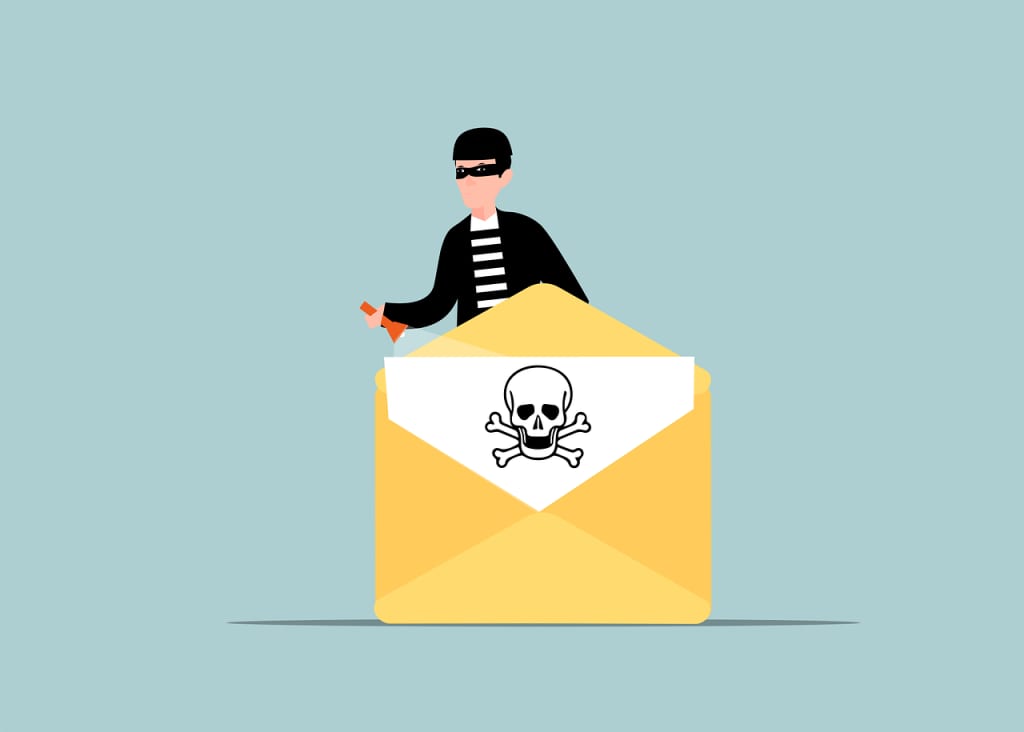
Email phishing emails are a kind of cyberattack in which hackers pose as reliable sources in an attempt to fool victims into sharing confidential data, such as login details, credit card numbers, etc. It's easy to fall for these emails if you're not paying close attention because they frequently appear authentic at first glance.
They does not stop the bulk emails. spear phishing is the more targeted and dangerous of phishing, its main targets the individuals user and companies or organization. Because spear phishing messages are carefully built with organizational or personal information, they are much more effective and difficult to identify than generic phishing attempts.
While both strategies seek to deceive, they can differ greatly in how they work and the dangers they present. In this article, we explain the main differences between email phishing and spear phishing, how they work, and provide practical ways to protect your company and yourself from these types of threats.
What Is Email Phishing?
Hackers use email phishing, a cyber method, to send fake emails to a large number of those receiving in the hopes that at least some will fall for it. These emails typically represent as communication from reliable sources, such as banks, well-known services, or even internal divisions like IT or HR.
To get you into downloading an unsecured attachment, clicking on a malicious link, or entering your login information on a phony website. If it once happens then hackers can steal your personal data, install malware, or access your accounts.
For more information in detailed so read this article:- What is Email Phishing? Safety Measures, Importance and Awareness
You may have seen examples such as:
- An email saying that if you don't "verify your information," your account will be suspended.
- A fake sending notification that includes a link to "track your package."
- An email claiming that you have won something, but you must click on a link to get it.
What Is Spear Phishing?
A more intense and dangerous form of phishing is spear phishing. They focus on sharing the same message to thousands of users, the attacker targets a individual or business and modifies the email to appear as authentic as possible.
This type of phishing often starts with research. To find out more about your role, team, or recent events in your company, the attacker can browse your LinkedIn profile, company website, or even posts on social media. They used your information to create an email that appears to be completely real, just like as a request from your manager, file sends from your colleague, or an employer you have dealt with.
Its a very difficult tp identify the Spear phishing messages because they are customized for you. When they are successful, they may result in serious effects, such as financial losses, data breaches, or even complete system compromises.
For more information in detailed so read this article:- What is Spear Phishing: How It Works and How to Stay Safe?
What is the Differences Between Email Phishing and Spear Phishing
Target Audience:
Email Phishing - sent to hundreds or thousands of people
Spear Phishing - Send at specific individuals or roles
Personalization:
Email Phishing - Minimal or none
Spear Phishing - Highly customized using personal or company-specific info
Effort to Create:
Email Phishing - Low – usually mass-produced and generic
Spear Phishing - High – involves research and tailored messaging
Success Rate:
Email Phishing - Lower, but based on volume
Spear Phishing - Higher, since it feels more legitimate
Risk Level:
Email Phishing - Generally smaller-scale impact
Spear Phishing - Can lead to major breaches, financial loss, or leaked data
Detection Difficulty:
Email Phishing - Easier to identify (often poorly written or generic)
Spear Phishing - Difficult to catch – may look just like a real internal email
Why Spear Phishing Is More Dangerous
While both types of phishing can cause harm, spear phishing often leads to more serious consequences and there’s a good reason for that.
Because spear phishing emails are customized and convincing, people are more likely to trust them. These messages often appear to come from someone the recipient knows like a manager, a vendor, or even a coworker. They might reference recent events, include familiar names, or mimic the writing style of someone inside the company. All of that lowers the recipient’s guard and makes them more likely to respond without second-guessing.
And once that trust is established, the attacker can do real damage. Spear phishing is frequently used to carry out wire fraud, steal login credentials to access internal systems, or install malware that spreads through a company’s network. In some cases, one well-crafted spear phishing email is all it takes to compromise an entire organization.
How to Protect Against Both
Whether it’s a generic phishing email or a targeted spear phishing attempt, the goal is the same: to trick you into doing something that compromises your security. The good news is, there are steps you can take to protect yourself and your organization from both.
For Email Phishing:
- Be cautious with links and attachments. If you weren’t expecting it, don’t click it. Always hover over links to see where they actually lead before clicking.
- Watch for generic language. Phishing emails often use vague greetings like “Dear user” or “Customer.” That’s a red flag.
- Check the sender’s email address. A name might look familiar, but the actual address might be slightly off like [email protected].
- Use spam filters and email security tools. Most email platforms can catch many phishing attempts before they reach your inbox but they’re not perfect.
- Keep software updated. Outdated systems are more vulnerable to phishing-related malware.
For Spear Phishing:
- Use multi-factor authentication (MFA). Even if someone gets your password, MFA adds an extra layer of protection.
- Be extra careful with sensitive requests. If you get an email asking for money transfers, login credentials, or sensitive files—even if it looks legitimate verify it through another channel, like a quick phone call.
- Train your team regularly. Spear phishing often targets employees, so awareness is key. Simulated phishing tests can help reinforce good habits.
- Limit publicly available information. The less attackers can learn about your role, contacts, and company structure, the harder it is to create convincing fake emails.
- Implement email authentication tools. Protocols like SPF, DKIM, and DMARC can help verify if an email really came from where it claims to.
Conclusion
Phishing and spear phishing might seem similar on the surface they both arrive in your inbox, and both aim to deceive but the way they operate and the level of threat they pose are very different.
Phishing is broad and often easier to spot, while spear phishing is more personal, more convincing, and often far more damaging. The stakes are higher, especially for businesses and professionals who handle sensitive data or financial transactions.
The key to staying safe is awareness. Knowing what these attacks look like, taking a moment to double-check unexpected requests, and using basic security tools can go a long way in keeping your information protected.
About the Creator
Daniel Willams
I am Daniel Williams, a Cyber Security Consultant at ssl2buy.com, specializing in SSL certificates and online security solutions, with 5+ years of experience helping businesses secure their digital assets effectively.
Enjoyed the story? Support the Creator.
Subscribe for free to receive all their stories in your feed.
Comments
There are no comments for this story
Be the first to respond and start the conversation.