
Effortless Keto: Tips to Get You Started on Your Weight Loss Journey
read the article to learn more..

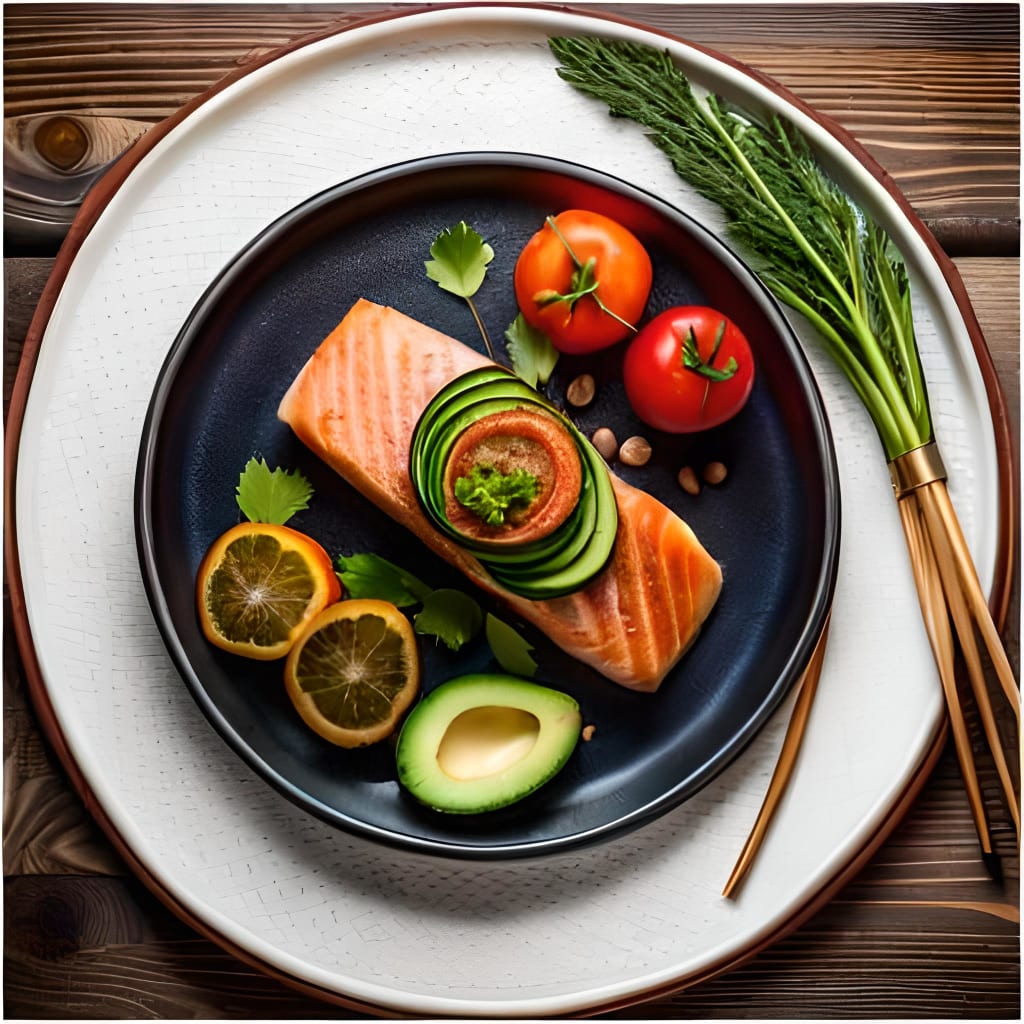
Intro
The keto diet has become an increasingly popular way to achieve weightloss, and for good reason. It’s a low-carb, high-fat way of eating that can help you burn fat and gain muscle. If you’re just getting started on your keto journey, it can be overwhelming trying to figure out the best way to get started. But don’t worry – we’ve got your back!
What is Keto Diet?
The keto diet, also known as the ketogenic diet, is a low-carb, high-fat diet that aims to put your body in a state of ketosis. Ketosis occurs when your body switches from using carbohydrates as its main source of fuel to burning fat for energy. This is achieved by reducing your carbohydrate intake to under 50 grams per day and increasing your intake of healthy fats and proteins.
In a traditional meal, carbohydrates make up a significant portion of the macronutrients consumed. However, on the keto diet, your meals should be made up of healthy fats and proteins, with only a small portion of carbohydrates, typically from low-carb vegetables. This way of eating forces your body to burn fat for fuel, which can result in weight loss, increased energy levels, and improved mental clarity.
Benefits of the Keto Diet
The Keto Diet has become increasingly popular due to the many benefits it provides to those looking to lose weight and improve their health. Here are just a few of the benefits you can expect from following the Keto Diet:
1. Weight loss - One of the primary benefits of the Keto Diet is its ability to promote weight loss. By limiting carbohydrates and increasing healthy fats and proteins, the body enters a state of ketosis, where it burns fat for fuel instead of glucose.
2. Increased energy - Many people report increased energy levels when following the Keto Diet. By eliminating processed and sugary foods and replacing them with healthy fats and proteins, you can avoid the energy crashes that come with a high-carb diet.
3. Improved mental clarity - Another benefit of the Keto Diet is its ability to improve mental clarity and focus. Studies have shown that ketones (the byproduct of the body breaking down fat for fuel) have neuroprotective benefits, which can help improve brain function.
4. Reduced inflammation - Inflammation is a major contributor to many chronic diseases, such as arthritis, heart disease, and cancer. The Keto Diet has been shown to reduce inflammation in the body, which can help reduce the risk of these diseases.
5. Reduced appetite - Many people find that they feel less hungry when following the Keto Diet. This is due to the satiating effect of healthy fats and proteins, which can help you feel fuller for longer periods of time.
Overall, the Keto Diet has numerous benefits for those looking to improve their health and lose weight. By following a meal plan that is high in healthy fats and proteins and low in carbohydrates, you can experience these benefits for yourself.
Tips for Starting Your Keto Journey
Starting a new diet can be challenging, especially if it's something you've never tried before. But with the right tips and mindset, starting a keto diet can be effortless. Here are some tips to get you started on your keto weight loss journey:
1. Do Your Research: Before jumping into any diet, it's important to educate yourself. Learn about what the keto diet entails, what types of foods you can and can't eat, and the benefits that come with it. Having a good understanding of what you're getting into can help set you up for success.
2. Stock Up on Keto-Friendly Foods: Once you have a good grasp of what you should be eating, stock up on those items. Load your pantry with keto-friendly foods like eggs, avocados, nuts, seeds, and healthy oils like olive and coconut oil. Having these items readily available can make meal planning and prepping easier.
3. Meal Plan: Planning your meals ahead of time can be helpful in staying on track with your keto diet. Choose recipes that include healthy fats and protein, and try to plan for a variety of flavors and textures. Also, plan for snacks that can satisfy your cravings without throwing you off track.
4. Track Your Macros: Keeping track of your daily intake of macronutrients like carbs, fat, and protein can help you stay on track with your keto diet. There are many free online resources and apps that can help you keep track of your macros, making it easier to stay within your daily limits.
5. Stay Hydrated: Staying hydrated is important on any diet, but it's especially crucial on the keto diet. Drinking plenty of water can help reduce the symptoms of the keto flu and help keep you feeling fuller longer.
Starting a keto diet can seem overwhelming, but with a little planning and effort, it can be a simple and effective way to reach your weight loss goals. Remember to be patient with yourself, take things one step at a time, and celebrate your small victories along the way.
Food Items to Avoid on the Keto Diet
The key to success on the keto diet is to limit your carbohydrate intake. As a general rule, you'll want to avoid anything that is high in carbs, sugar, and starches. Here are some of the most common foods you'll want to avoid on the keto diet:
1. Bread, pasta, and other grains: Anything made with flour, wheat, corn, or rice is off-limits. This includes bread, pasta, crackers, cereal, and rice.
2. Sugars and sweets: This includes all candy, cakes, cookies, and other baked goods that are high in sugar.
3. Fruit and fruit juice: Although fruit is healthy, it's also high in sugar. On the keto diet, it's best to avoid most fruits, especially those that are sweet or tropical.
4. Starchy vegetables: Potatoes, sweet potatoes, and other starchy vegetables are high in carbohydrates and should be avoided.
5. Legumes and beans: These are also high in carbs and should be avoided on the keto diet.
6. Alcohol: Most alcoholic beverages are high in carbs and sugar. Wine and beer should be avoided, while hard liquor can be consumed in moderation.
Remember, the goal of the keto diet is to keep your body in a state of ketosis, which means it's burning fat for fuel instead of carbohydrates. By avoiding these foods, you'll be able to stay in ketosis and achieve your weight loss goals more quickly.
Healthy Fats and Proteins to Include in Your Keto Diet
One of the biggest challenges of the keto diet is ensuring that you are consuming enough healthy fats and proteins while limiting your carbohydrate intake. This may sound difficult, but there are many healthy and delicious food options that you can include in your keto diet.
Here are some examples of healthy fats and proteins that you can include in your keto diet:
- Avocado: A great source of healthy fats, vitamins, and minerals.
- Coconut oil: High in medium-chain triglycerides, which can help increase energy levels.
- Olive oil: Rich in monounsaturated fats, which can help reduce inflammation.
- Nuts and seeds: Such as almonds, macadamia nuts, chia seeds, and flaxseeds.
- Cheese: High in healthy fats and protein, cheese is a great addition to any keto diet.
- Meat: Beef, chicken, pork, and lamb are all great sources of protein on the keto diet.
- Seafood: Fish, shrimp, and shellfish are excellent sources of protein and healthy fats.
- Eggs: A great source of protein, healthy fats, and vitamins.
- Greek yogurt: A great source of protein and healthy fats.
- Tofu: A great source of protein for vegetarians and vegans.
When choosing healthy fats and proteins for your keto diet, it’s important to choose high-quality sources. This means opting for grass-fed beef, wild-caught fish, and organic eggs whenever possible.
Remember, the goal of the keto diet is to limit your carbohydrate intake and increase your intake of healthy fats and proteins. By choosing the right foods, you can create delicious and healthy meals that will help you reach your weight loss goals.
Best Keto Recipes for Beginners
When starting out on the keto diet, finding the right recipes can be the key to success. Here are some of the best keto recipes for beginners to try:
1. Avocado Egg Salad: This easy and tasty recipe is perfect for breakfast, lunch or a snack. Simply mix mashed avocado with boiled eggs and season with salt and pepper.
2. Bacon-Wrapped Asparagus: This recipe is simple and delicious. Wrap asparagus with bacon, season with garlic powder, salt and pepper, and bake until crispy.
3. Cauliflower Fried Rice: Replace traditional rice with cauliflower to make a low-carb fried rice that is both flavorful and healthy. Add your favorite vegetables and protein for a complete meal.
4. Creamy Broccoli and Cheese Soup: This soup is a warm and comforting option for a chilly evening. Use coconut milk instead of cream for a dairy-free option.
5. Keto Bread: Yes, you can still enjoy bread on the keto diet! Try this recipe that uses almond flour, eggs and coconut oil for a delicious and satisfying option.
6. Keto Pizza: Who said pizza can't be part of a keto diet? Make your own pizza crust using almond flour and mozzarella cheese, and top with your favorite low-carb toppings.
7. Peanut Butter and Chocolate Fat Bombs: These bite-sized snacks are perfect for satisfying a sweet tooth and providing energy throughout the day. Simply mix peanut butter, coconut oil, and dark chocolate chips and freeze until solid.
With these delicious and easy recipes, starting the keto diet has never been so delicious. Enjoy!
Common Mistakes to Avoid on the Keto Diet
Starting a keto diet may seem overwhelming at first, especially if you’re new to the concept. However, it’s important to know that the process of transitioning to a ketogenic lifestyle can come with its own set of challenges. In order to maximize the effectiveness of your weight loss journey, here are some common mistakes to avoid when on a keto diet:
Mistake #1: Eating too much protein
One common mistake is eating too much protein on the keto diet. While protein is essential for building muscle and supporting overall health, consuming excessive amounts can lead to a metabolic process called gluconeogenesis, where the body converts protein into glucose. This can prevent your body from reaching a state of ketosis and slow down your weight loss progress.
Mistake #2: Not consuming enough fat
On the keto diet, healthy fats should be a major part of your diet. Your body uses fat for fuel, so not consuming enough healthy fats can make it difficult to achieve and maintain ketosis. Aim for high-quality sources of healthy fats like avocado, nuts, seeds, and olive oil.
Mistake #3: Over-reliance on processed keto-friendly products
While there are many keto-friendly processed foods available in the market, it’s important to remember that they should be used as occasional treats rather than a staple in your diet. Many of these products contain artificial sweeteners and additives that can be harmful to your health and slow down your weight loss.
Mistake #4: Not drinking enough water
Dehydration is common on the keto diet, as the body tends to flush out water and electrolytes at a faster rate. Make sure to drink plenty of water throughout the day and consider adding electrolyte-rich fluids like bone broth or coconut water to your diet.
Mistake #5: Not tracking your macros
Tracking your macros (fat, protein, and carbohydrate intake) is essential to ensure that you are consuming the right balance of nutrients to reach ketosis and maximize your weight loss efforts. Use a tracking app or website to make it easier to keep track of your macros.
By avoiding these common mistakes, you’ll be able to stay on track with your keto diet and achieve your weight loss goals with greater ease.
Frequently Asked Questions About the Keto Diet
1. What foods should I avoid on a keto diet?
On a keto diet, you should avoid foods that are high in carbs such as bread, pasta, sugar, fruits, and some vegetables. This is because a keto diet involves a low-carb, high-fat intake.
2. What are some healthy fats and proteins to include in my keto diet?
Healthy fats to include in your keto diet include avocado, coconut oil, olive oil, nuts, and seeds. Good sources of protein on a keto diet include meat, poultry, fish, and eggs.
3. What are some of the benefits of a keto diet?
Some benefits of a keto diet include weight loss, improved energy levels, reduced inflammation, better brain function, and lower blood sugar levels.
4. What are some common mistakes to avoid on a keto diet?
One of the most common mistakes on a keto diet is not tracking your macronutrients correctly. It's important to keep track of your carb, protein, and fat intake to make sure you're staying within the appropriate range. Another common mistake is not drinking enough water, which can lead to dehydration.
5. Can I eat dairy products on a keto diet?
Yes, dairy products such as cheese, butter, and heavy cream are allowed on a keto diet. Just be sure to choose full-fat versions rather than low-fat or skim varieties.
6. Is it possible to follow a vegetarian or vegan keto diet?
Yes, it is possible to follow a vegetarian or vegan keto diet by focusing on high-fat, low-carb plant-based foods such as avocado, coconut oil, nuts, and seeds. However, it can be more challenging to get enough protein on a vegetarian or vegan keto diet, so you may need to supplement with protein powders or consider incorporating eggs or dairy if you're vegetarian.
Overall, the keto diet can be an effective way to lose weight and improve overall health. Just be sure to do your research and consult with a healthcare professional before making any major dietary changes.
If you want to learn my #1 way to use keto diet , click here now!
About the Creator
D. Tsak
Passionate Fitness Writer & Health Advocate.
Inspiring readers to achieve wellness through evidence-based tips & balanced lifestyle changes. Founder of a popular blog. Let's connect for a healthier, happier you! #Fitness #Nutrition
Enjoyed the story? Support the Creator.
Subscribe for free to receive all their stories in your feed.
Comments
There are no comments for this story
Be the first to respond and start the conversation.