
Effective Treatments for Seasonal Allergies
Effective Treatments for Seasonal Allergies: What Works and What Doesn’t
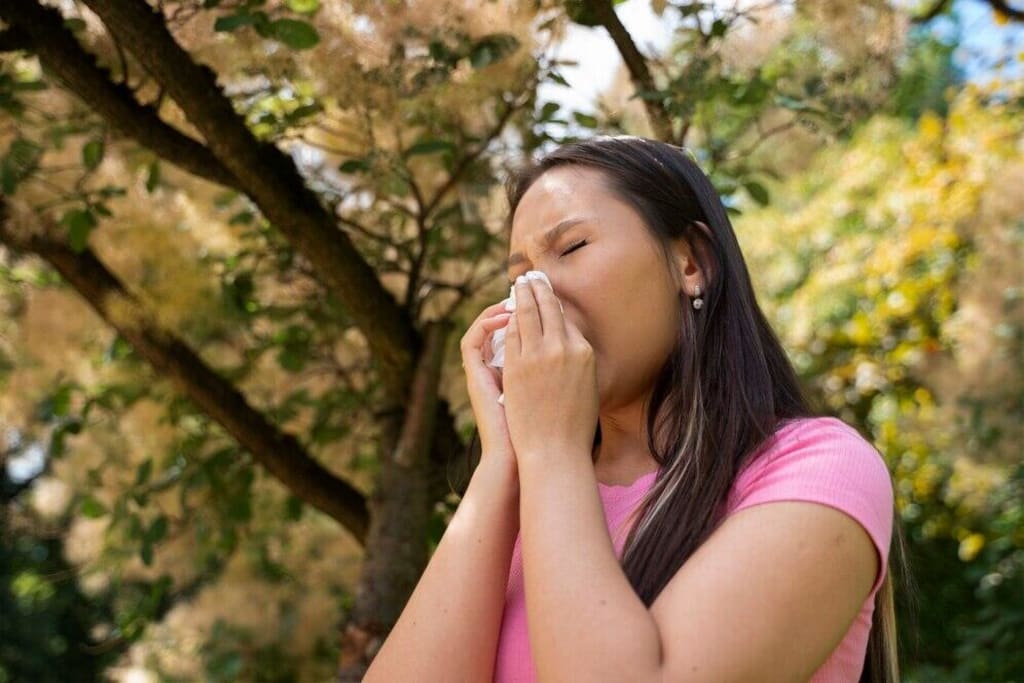
Seasonal allergies are a common issue that many people face. When the seasons change, pollen from trees, grasses, and weeds can cause allergic reactions in sensitive individuals. These reactions can lead to sneezing, itchy eyes, runny nose, and other uncomfortable symptoms. Thankfully, there are several treatments available to manage these allergies. However, not all treatments are equally effective. This blog will look at what works and what doesn't when it comes to managing seasonal allergies.
What Causes Seasonal Allergies?
Before diving into treatments, it’s important to understand what triggers seasonal allergies. The main culprits are pollen grains. These microscopic particles are released into the air by trees, grasses, and weeds during their flowering seasons. When these pollens enter the nasal passages or eyes of someone who is allergic, the immune system reacts. This leads to inflammation and typical allergy symptoms like a runny nose or sneezing.
Different types of pollen affect people at different times of the year:
- Tree pollen is most common in the spring.
- Grass pollen is typically seen in late spring and early summer.
- Weed pollen peaks in late summer and fall.
Knowing which pollen you are allergic to can help determine the best treatment options for you.
Effective Treatments for Seasonal Allergies
There are several ways to treat seasonal allergies. Some treatments work better for certain people, while others may have little to no effect. Let's go through some of the most common treatments and examine how effective they are.
1. Antihistamines
What are antihistamines?
Antihistamines are a class of medication that block histamine, a substance the body releases during an allergic reaction. Histamine is responsible for many allergy symptoms, such as sneezing and itching. By blocking histamine, antihistamines can help reduce symptoms.
Are they effective?
Yes, antihistamines are often the first line of defense against seasonal allergies. They are available in many forms, including pills, nasal sprays, and eye drops. Most people find antihistamines to be effective in reducing symptoms, especially if they take them early in the allergy season. However, some antihistamines can cause drowsiness, so it’s important to choose one that suits your needs.
2. Nasal Steroid Sprays
What are nasal steroid sprays?
These sprays contain corticosteroids, which reduce inflammation in the nasal passages. By reducing inflammation, they help to alleviate symptoms such as a stuffy nose and sinus pressure.
Are they effective?
Yes, nasal steroid sprays are considered one of the most effective treatments for seasonal allergies. They work gradually, so it may take a few days to see full benefits. These sprays can be used for long periods and are safe for most people. However, they may cause minor side effects such as a dry nose or irritation.
3. Decongestants
What are decongestants?
Decongestants are medications that help relieve nasal congestion. They work by narrowing the blood vessels in the nasal passages, reducing swelling and allowing air to flow more freely.
Are they effective?
Decongestants can provide quick relief for a stuffy nose. However, they are generally recommended for short-term use only (a few days) because prolonged use can lead to a rebound effect, where your congestion worsens. Decongestants are available in both oral and nasal spray forms, but the nasal spray version should be used cautiously.
4. Allergy Shots (Immunotherapy)
What are allergy shots?
Allergy shots, or immunotherapy, involve regular injections of small amounts of allergens. Over time, the body becomes desensitized to these allergens, reducing the severity of allergic reactions.
Are they effective?
Allergy shots are a long-term treatment option and are highly effective for many people. They are typically recommended for those with severe or persistent allergies that do not respond well to other treatments. It may take several months or even years to see full benefits, but they can provide lasting relief. It’s a great option for those looking to reduce their dependence on daily medications.
5. Nasal Irrigation (Saline Rinse)
What is nasal irrigation?
Nasal irrigation involves rinsing the nasal passages with a saline (saltwater) solution. This process helps to clear out pollen, dust, and other allergens from the nose.
Is it effective?
Yes, nasal irrigation can be very effective for removing allergens from the nasal passages and reducing congestion. It is a simple, natural treatment that can be done at home using a neti pot or saline spray. While it may not completely eliminate allergy symptoms, it can provide significant relief, especially when combined with other treatments.
6. Eye Drops
What are eye drops?
Eye drops are a treatment for itchy, red, or watery eyes caused by allergies. There are several types of eye drops, including antihistamine and decongestant-based drops.
Are they effective?
Yes, eye drops can provide quick relief for eye-related allergy symptoms. They work by reducing inflammation and blocking histamine. If you have allergic conjunctivitis (eye allergies), using eye drops can help alleviate discomfort. However, like decongestants, some eye drops should not be used for extended periods.
7. Natural Remedies
What are natural remedies for seasonal allergies?
Many people turn to natural remedies to help manage their allergy symptoms. Some common natural treatments include:
- Honey: Consuming local honey is thought to help build immunity to local pollen.
- Herbal teas: Some herbal teas, like peppermint or ginger tea, may help soothe allergy symptoms.
- Essential oils: Oils like eucalyptus and lavender are believed to help clear airways and reduce inflammation.
Are they effective?
The effectiveness of natural remedies varies. While there is some anecdotal evidence supporting the use of honey and essential oils, scientific research on their effectiveness is limited. These remedies are generally safe, but it’s always best to consult a doctor before trying them.
What Doesn’t Work?
While there are many treatments available for seasonal allergies, not all of them are effective. Some remedies that are commonly believed to help but may not offer significant relief include:
- Vitamin C: While vitamin C has some benefits for the immune system, there is little evidence to support its effectiveness in treating seasonal allergies.
- Antihistamine nasal sprays: Some people find that antihistamine nasal sprays don’t work as well as steroid nasal sprays in controlling inflammation.
- Over-the-counter combination treatments: Some combination treatments, which contain both antihistamines and decongestants, may not be as effective as using separate treatments specifically targeted at your symptoms.
Conclusion
Seasonal allergies can be a nuisance, but the good news is that there are plenty of treatments available to help you manage your symptoms. Antihistamines, nasal sprays, decongestants, and allergy shots are some of the most effective options. However, it’s important to remember that not all treatments work the same for everyone. You may need to try different methods to find what works best for you. Always consult with your healthcare provider to develop a treatment plan that’s right for your specific needs. By combining the right treatments and avoiding allergens, you can enjoy the seasons with less discomfort.
About the Creator
Enjoyed the story? Support the Creator.
Subscribe for free to receive all their stories in your feed.
Comments
There are no comments for this story
Be the first to respond and start the conversation.