
Effective Strategies for Stress Management
Nurturing Inner Balance
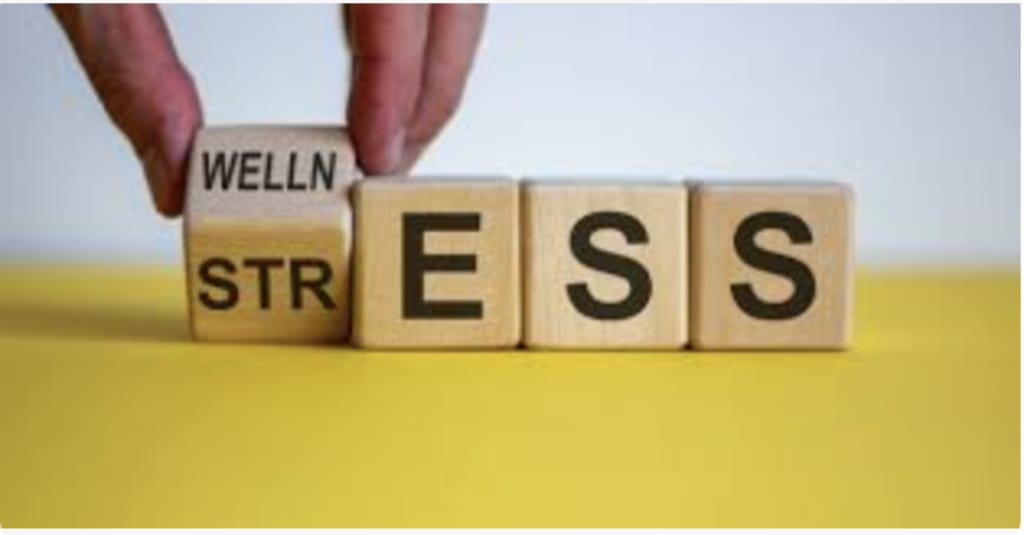
In today's fast-paced and demanding world, stress has become a common part of our lives. However, prolonged or excessive stress can negatively impact our physical and mental well-being. To maintain a healthy and balanced lifestyle, it is essential to develop effective stress management techniques. By implementing practical strategies, we can alleviate stress, enhance our resilience, and improve overall quality of life. In this article, we will explore simple yet powerful approaches to managing stress and nurturing inner harmony.
1. Recognize and Understand Stress: The first step in managing stress is recognizing its presence. Pay attention to physical, emotional, and behavioral signs of stress, such as headaches, irritability, and changes in appetite. Understanding the causes and triggers of stress can provide valuable insights into finding appropriate solutions. Keep a stress journal to identify patterns and gain clarity on the specific stressors affecting you.
2. Practice Relaxation Techniques: Relaxation techniques are effective tools for reducing stress and promoting a sense of calm. Deep breathing exercises, meditation, and mindfulness practices can help quiet the mind, regulate emotions, and lower stress hormone levels. Find a quiet space, focus on your breath, and let go of racing thoughts. Regularly incorporating these techniques into your routine can enhance your ability to cope with stress.
3. Engage in Physical Activity: Physical activity not only improves physical health but also plays a crucial role in stress management. Exercise releases endorphins, known as "feel-good" hormones, which can elevate mood and reduce stress levels. Engage in activities you enjoy, such as walking, jogging, dancing, or practicing yoga. Aim for at least 30 minutes of moderate-intensity exercise most days of the week to experience the benefits.
4. Prioritize Self-Care: Self-care is essential for managing stress and nurturing overall well-being. Set aside time for activities that bring you joy and relaxation, such as reading, taking baths, practicing hobbies, or spending time in nature. Make self-care a non-negotiable part of your routine and treat it as a valuable investment in your mental and emotional health.
5. Establish Healthy Boundaries: Setting boundaries is vital for managing stress and maintaining healthy relationships. Learn to say no when necessary, delegate tasks, and avoid overcommitting yourself. Prioritize your own needs and allocate time for self-care and relaxation. Communicate your boundaries clearly and assertively, allowing others to understand and respect your limits.
6. Seek Support: During challenging times, seeking support from others can be immensely beneficial. Reach out to trusted friends, family members, or professionals to share your thoughts and feelings. Sometimes, simply talking about your stressors can provide relief and new perspectives. Consider joining support groups or participating in counseling or therapy sessions to learn effective coping mechanisms and gain additional support.
Conclusion: Stress is an inevitable part of life, but with the right tools and strategies, we can manage it effectively. By recognizing and understanding stress, practicing relaxation techniques, engaging in physical activity, prioritizing self-care, establishing healthy boundaries, and seeking support, we can nurture inner balance and promote resilience in the face of stress. Remember that each person's journey to stress management is unique, so explore different techniques and find what works best for you. With commitment and perseverance, you can develop a well-rounded stress management plan and lead a more peaceful and fulfilling life.
About the Creator
Enjoyed the story? Support the Creator.
Subscribe for free to receive all their stories in your feed.
Comments
There are no comments for this story
Be the first to respond and start the conversation.