
Does a Strong Dollar Push Gold Down? What Careful Buyers Should Know
Does a Strong Dollar Push Gold Down?

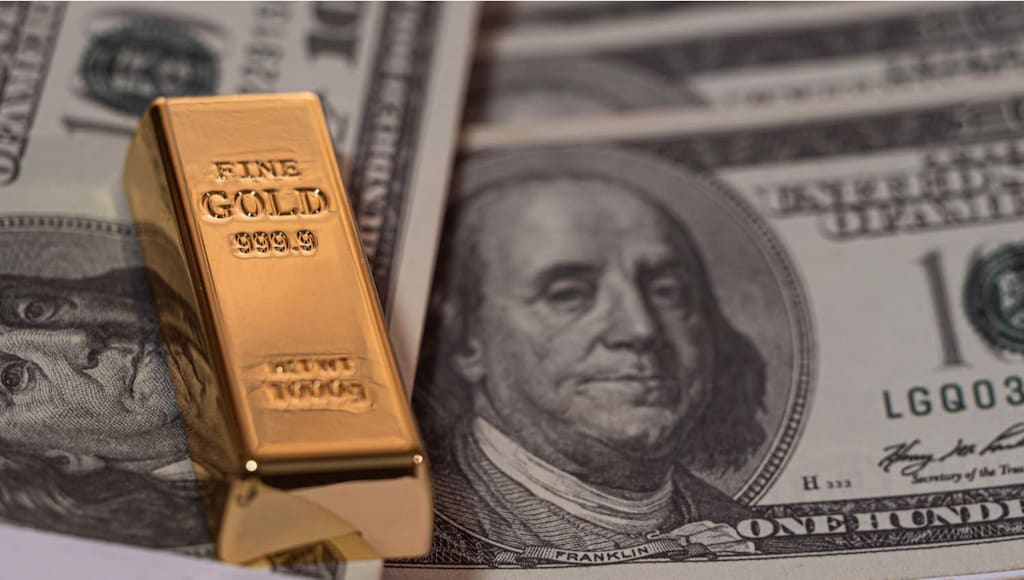
A strong dollar usually leans on gold prices. That part is straightforward. Gold is priced in dollars, so when the currency gains strength, it takes fewer dollars to buy the same ounce. Prices often soften as a result.
But treating that as a fixed rule will get you into trouble. The relationship holds often, not always. There are stretches where gold stays firm or even moves higher while the dollar remains strong. Markets don’t run on simple formulas for long.
For anyone serious about protecting wealth, the point isn’t to trade that relationship. It’s to understand what it’s telling you. A strong dollar can create quieter entry points into physical gold. Less noise, less urgency, fewer emotional decisions.
Gold doesn’t depend on the dollar to justify its role. It exists outside that system. That’s why the relationship matters, but only up to a point.
Why This Question Matters in 2026
In 2026, the dollar’s strength still ties back to interest rates, global capital flows, and confidence in U.S. markets. When rates rise or stay elevated, capital moves toward dollar-denominated assets. Treasuries start to look attractive again. The dollar benefits.
In that setting, gold can lose some near-term appeal. It doesn’t pay interest. It doesn’t compete with yield. Prices may drift or stall for a period.
That’s the surface story. The deeper one is more important.
A strong dollar doesn’t always signal stability. At times it reflects stress elsewhere. Capital moves into the dollar because it’s seen as the least risky option available, not because everything is working smoothly. Meanwhile, issues like inflation, rising debt, and financial imbalances don’t disappear. They sit in the background.
This creates a gap between perception and reality. Gold prices may look subdued while the reasons for owning gold remain in place. In some cases, those reasons are building quietly.
For investors who think in terms of protection, this matters. A lower gold price during a strong-dollar phase doesn’t mean gold is less relevant. It often means the market is focused elsewhere.
Key Factors to Weigh Before You Buy
If you’re buying gold in a strong-dollar environment, don’t stop at the headline price. The details matter.
Start with interest rates. A strong dollar usually comes with higher rates, and that can pressure gold in the short term. Over time, though, higher rates can strain debt-heavy systems. That tension can shift sentiment back toward gold.
Inflation is harder to dismiss. Even when the dollar holds up against other currencies, everyday costs can keep rising. That’s what erodes purchasing power. Gold has held its ground in that kind of environment for a long time.
Then there are premiums. Physical gold isn’t bought at spot. Coins and bars carry a markup that moves with demand and supply. In tight markets, premiums can rise even if the gold price itself doesn’t.
Product choice plays into that. Government-minted coins like American Gold Eagles or Maple Leafs cost more, but they’re widely recognized and easy to sell. Bars and rounds tend to carry lower premiums. If your goal is ounces, they can stretch your dollars further.
Liquidity deserves attention. When it’s time to sell, recognized products move faster and with less friction. That flexibility can matter more than the small difference in premium.
Storage is part of the equation as well. Physical gold needs to be secured. Whether that’s a safe at home or a third-party facility, it should be planned ahead of time.
And then there’s your time horizon. If you’re buying gold for long-term protection, short-term currency moves shouldn’t dictate your actions.
A Simple Framework for Decision-Making
Trying to predict the dollar’s next move is a losing game. A steady framework works better.
When the dollar is strong and gold prices are flat or lower, that’s often a window to add. These periods tend to be quiet. Less attention, fewer headlines, less pressure to act quickly. That’s usually when disciplined buyers do their work.
If the dollar keeps strengthening and gold drifts lower, don’t wait for a perfect bottom. Markets rarely offer one. Gradual purchases reduce the risk of getting timing wrong.
When the dollar starts to weaken and gold moves higher, it can feel like you’re late. In many cases, that’s when the reasons for owning gold are becoming obvious to a broader audience. Staying consistent during those periods still makes sense.
If premiums rise sharply, adjust your approach. Shift toward lower-cost products or slow your buying pace. No need to force it.
If storage is an issue, solve it early. A clear plan removes hesitation and keeps you moving forward.
Common Concerns and Misconceptions
A common question is whether to wait for the dollar to weaken before buying gold. It sounds logical. In practice, it often leads to missed opportunities. By the time the dollar turns, gold may already be moving higher.
Another misconception is that a strong dollar makes gold less valuable. That’s not how it works. Gold’s role doesn’t change because its price moves. If anything, lower prices during strong-dollar periods can make it more accessible.
There’s also the fear of buying before another drop. That’s natural. It can also lead to doing nothing. No one consistently calls short-term moves. A steady approach tends to work better.
Premiums raise concerns as well. When they climb, it can feel like overpaying. They matter, but they aren’t the whole picture. Liquidity and recognition carry weight, especially when it’s time to sell.
Some investors question whether gold is needed when the dollar looks strong. That’s a short view. Currency strength can shift quickly. Gold is there to carry value across those shifts, not just during obvious stress.
Conclusion: Opportunity Often Hides in Calm Markets
A strong dollar can push gold prices lower, but that doesn’t make it a negative for long-term buyers. In many cases, it creates opportunity. Quiet markets tend to offer better conditions for building a position.
Gold isn’t meant to be a short-term trade. It’s a form of financial insurance. You hold it to protect purchasing power, not to chase quick gains.
Understanding how the dollar influences gold helps you stay grounded. It explains price movement without pulling you into overthinking.
Final Guidance
Trying to call the dollar’s next move isn’t necessary. Focus on what you can control.
Build your position steadily. Pay attention to premiums and product selection. Make sure your storage plan is in place.
Periods of dollar strength often give you time and space to act without pressure. Use that.
The objective isn’t to outguess the market. It’s to protect purchasing power over time.
About the Creator
Stefan Gleason
Stefan Gleason is President and CEO of Money Metals, the company recently named "Best Overall Online Precious Metals Dealer" by Investopedia. A graduate of the University of Florida, Gleason is a seasoned business leader and investor.
Enjoyed the story? Support the Creator.
Subscribe for free to receive all their stories in your feed.
Comments
There are no comments for this story
Be the first to respond and start the conversation.