
"DIY Bubble Tea: How to Make Your Own at Home"
If you're a fan of bubble tea, but don't want to spend your money at a cafe, then you'll love this DIY bubble tea recipe! It's easy to make and costs very little. All you need is some tea, water, and sugar.


"Bubble Tea: A Sweet History"
Bubble tea, also known as pearl milk tea or boba milk tea, is a popular drink that originated in Taiwan in the 1980s. The story of its creation varies, but it is generally agreed that it was first created in Taichung by either a small tea shop owner named Liu Han-Chieh or a street vendor named Lin Hsiu Hui.
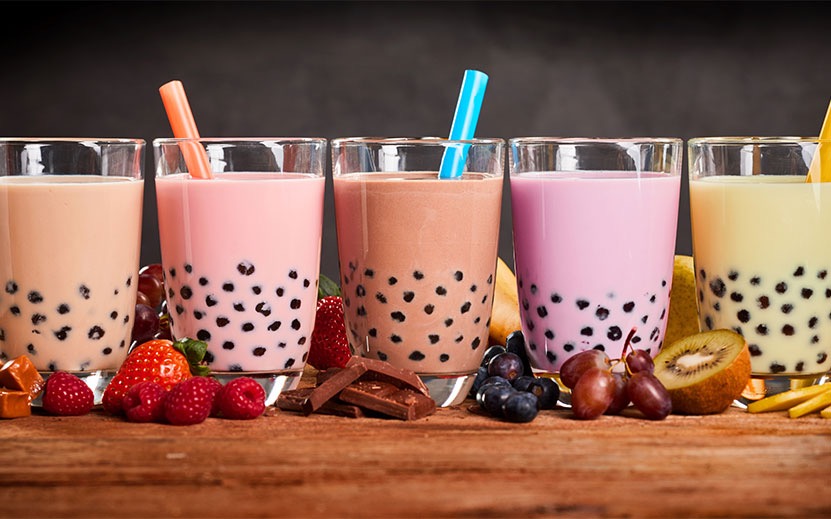
The original version of bubble tea consisted of a cold, sweetened tea mixed with tiny tapioca pearls added to the drink to give it a chewy texture. The pearls, also known as boba, were made from tapioca starch and were cooked and then added to the glass.
The drink quickly gained popularity among young people in Taiwan and eventually spread to other parts of Asia, such as China and Hong Kong. In the 1990s, bubble tea began to gain popularity in the United States, particularly in cities with large Asian populations. It is a popular drink worldwide, with many variations and flavours available.
Bubble tea has evolved over time. You can now find many bubbles like jelly, popping boba, grass jelly, and even egg pudding. Also, new flavours like matcha, taro, and even savoury flavours like cheese tea have been introduced.
How to Make Your Own at Home:
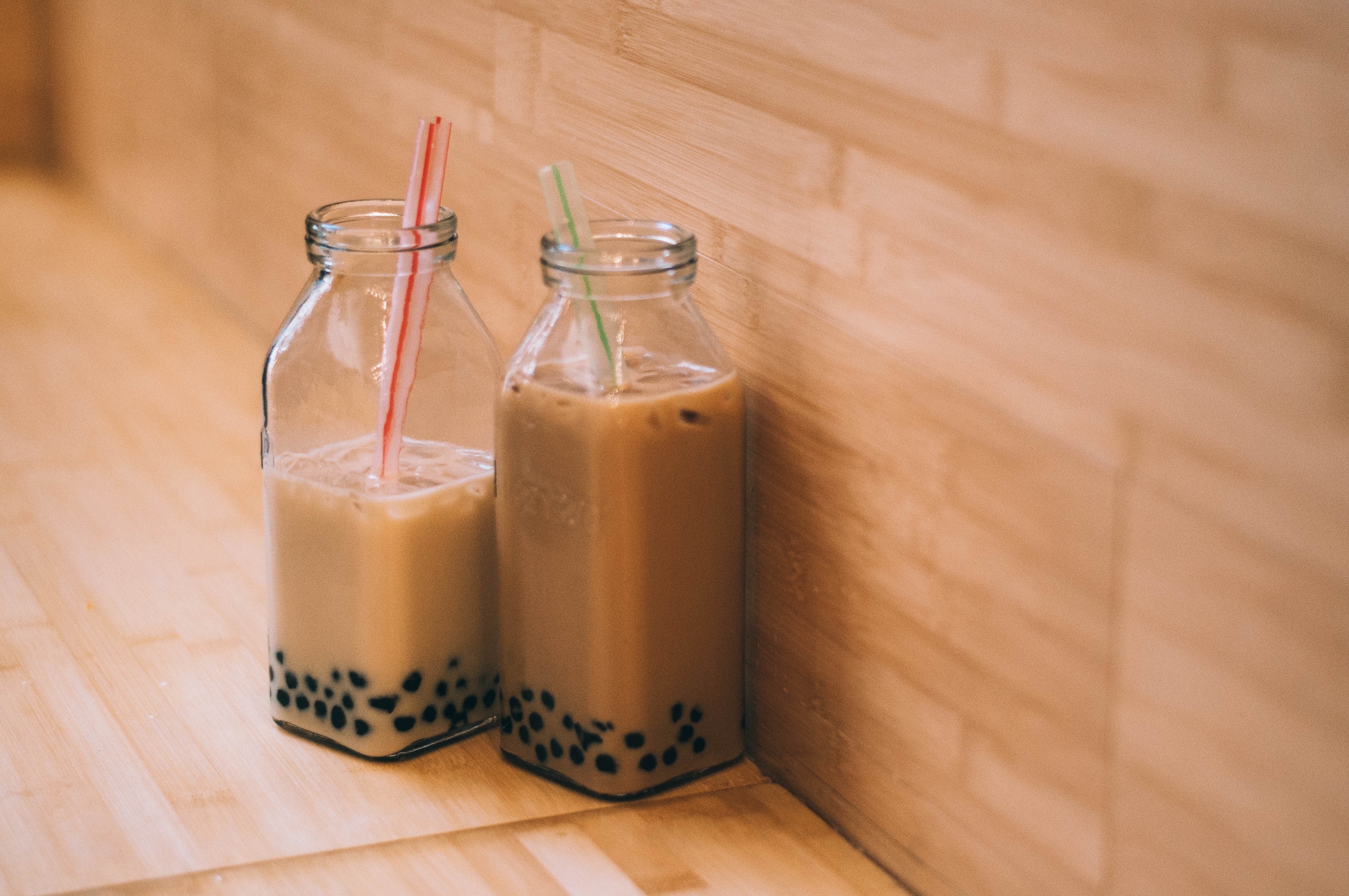
Bubble tea, also known as boba tea, is a delicious and refreshing drink that has taken the world by storm. It's a sweet and creamy tea-based drink usually made with chewy tapioca pearls, or "bubbles," at the bottom.
But what if you could make your own bubble tea at home? With the right ingredients and tools, it's surprisingly easy to make delicious bubble tea that's just as good as what you'd find at a bubble tea shop.
1. The first step in making bubble tea is to prepare the tea base. You can use any kind of tea, whether black, green, or herbal. Simply brew the tea according to the package instructions and let it cool to room temperature.
2. Next, you'll need to prepare the tapioca pearls. Tapioca pearls can be found in most Asian grocery stores or online. Boil them for about 10-15 minutes or until they are translucent, then rinse them in cold water to prevent them from sticking together.
3. Once the tea and tapioca pearls are ready, it's time to assemble the drink. Start by filling a glass halfway with the brewed tapioca pearls, then pour the cooled tea over the top. Next, add your desired amount of sugar or honey and other desired toppings or syrups, such as fruit or milk.
4. And there you have it: your own homemade bubble tea! Customize with your favourite flavour, be creative, and make your own bubble tea that's just as delicious as anything you'd find at a bubble tea shop.
5. Not only is making bubble tea at home a fun and creative activity, but it's also a great way to save money and control the ingredients. So next time you're craving bubble tea, try making your own at home!
Pros and Cons of Drinking Bubble Tea:

Drinking bubble tea, also known as boba tea, can positively and negatively affect your health.
Pros:
- Hydration: Bubble tea is made primarily of tea and water, making it a hydrating drink option.
- Antioxidants: depending on the type of tea used, bubble tea can be a source of antioxidants, which can help protect the body against damage from free radicals.
- Variety: bubble tea is available in a wide variety of flavours and can be customized with different toppings and syrups, making it a versatile and enjoyable drink option.
Cons:
- High sugar content: many bubble tea drinks are high in sugar, which can contribute to weight gain and other health issues if consumed in excess.
- Calorie-dense: bubble tea can be high in calories, making it less suitable for those trying to maintain a healthy weight.
- Tapioca pearls: Tapioca pearls are high in carbohydrates, which can contribute to weight gain if consumed in large amounts.
- Allergens: Some people may be allergic to tapioca and should avoid it.
It's important to note that the nutritional content of bubble tea can vary greatly depending on the ingredients used and the serving size. It's always a good idea to check the nutritional information before consuming and moderate consumption to maintain a healthy diet.
Bubble tea, also known as boba tea, is a delicious and refreshing drink that has taken the world by storm. The beauty of bubble tea is that it can be customized to suit any taste and preference. With creativity and some essential ingredients, you can create custom flavours that are sure to impress.
Here are a few popular bubble tea recipes:
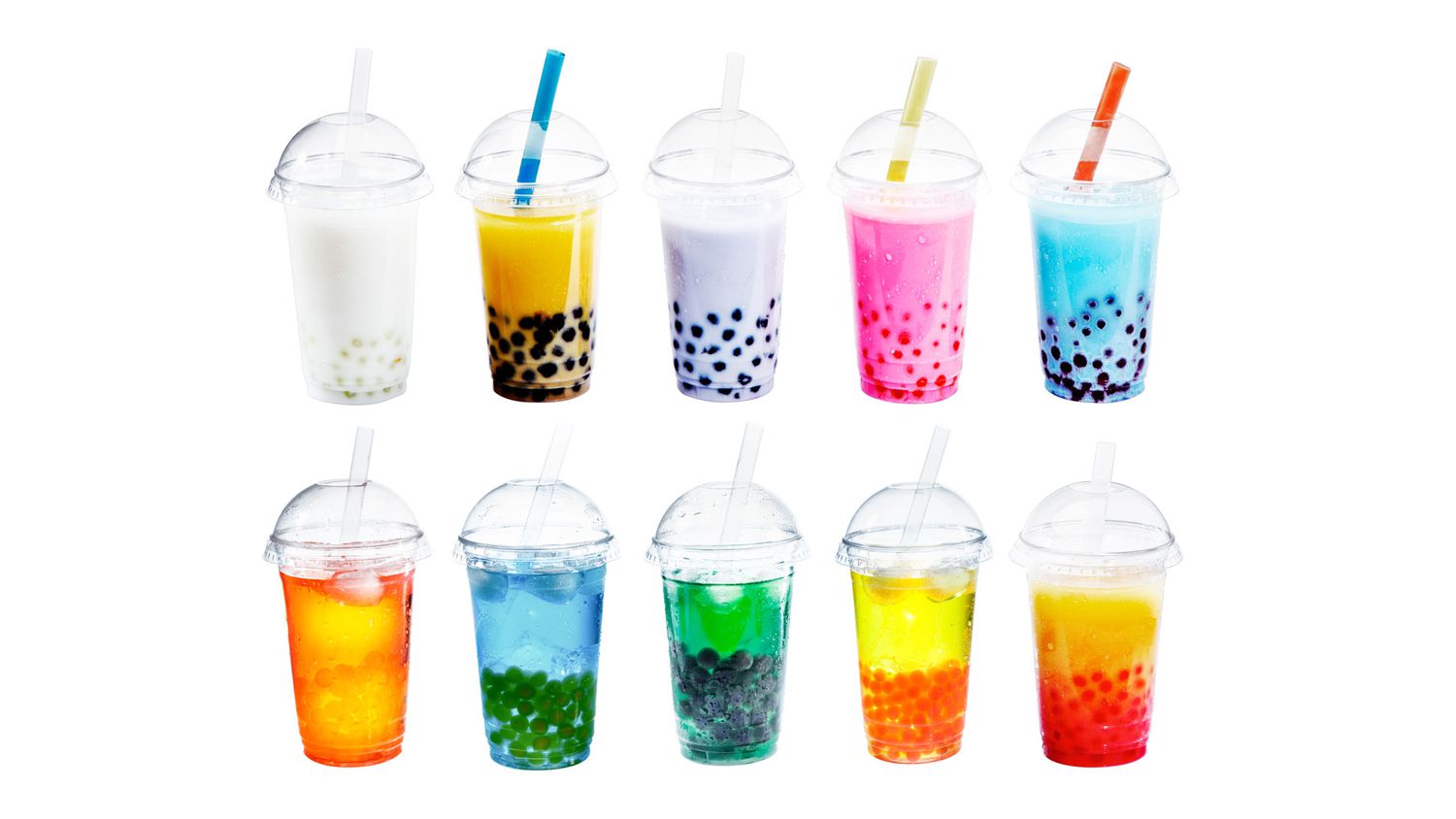
- Classic Milk Tea: Brew a robust black tea like Earl Grey or Darjeeling and combine it with sweetened condensed milk and tapioca pearls.
- Thai Tea: Brew a robust black tea and mix it with sweetened condensed milk, vanilla extract, and a pinch of ground star anise.
- Matcha Tea: Mix matcha powder with warm water and sweetened condensed milk, and add tapioca pearls.
- Taro Milk Tea: Brew a solid black tea, mix it with taro powder and sweetened condensed milk, and add tapioca pearls.
- Fruit Tea: Brew a solid black tea, add sweetened condensed milk and your favourite fruit juice, such as strawberry or mango, and tapioca pearls.
It's important to note that you can customize the sweetness level to your taste and use alternative sweeteners like honey or agave nectar.
Create Your Own Custom Flavors:
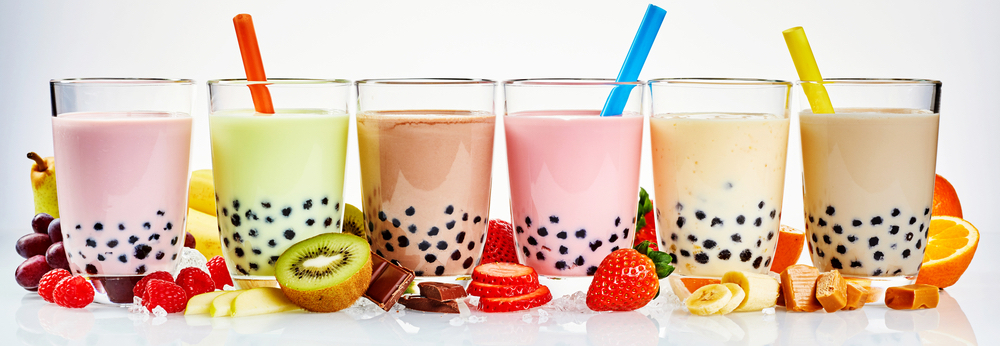
- The first step in creating custom bubble tea flavours is to choose a base tea. You can use any kind of tea, whether black, green, or herbal. Some popular tea bases for bubble tea include black tea, green tea, and jasmine tea.
- Next, you'll need to choose a sweetener. Some popular sweeteners for bubble tea include simple syrup, honey, and agave nectar. You can also use sugar, but be mindful of the amount, as too much sugar can make the drink overly sweet and unhealthy.
- Once you have your tea base and sweetener, it's time to add the flavour. You can use any flavouring, fruit, syrups, or extracts. Some popular spices for bubble tea include mango, strawberry, and raspberry.
- When adding flavour, start with a small amount and taste as you go. You can always add more, but it's much harder to remove once it's been added. For example, if you're adding fruit, you can puree the fruit or use fruit juice, or if you're using syrup, start with a small amount, taste and then adjust accordingly.
- You can also experiment with different toppings, like chewy tapioca pearls, popping boba, jelly, and grass jelly.
- After you've created your custom flavour, it's time to enjoy! Depending on your preference, you can serve your bubble tea over ice or chilled. And remember to add your desired amount of tapioca pearls or other toppings for extra texture and flavour.
Creating your own custom bubble tea flavours is a fun and creative activity that everyone can enjoy. So gather your ingredients, be creative and have fun experimenting with different flavours and ingredients to create your unique bubble tea creations.
How Bubble Tea Became a Global Phenomenon?
Bubble tea became a global phenomenon due to a combination of factors. One of the main reasons is its unique texture and taste, which differentiates it from traditional tea and other sweet drinks. The chewy tapioca pearls, also known as "boba," add an interesting texture to the glass, making it more enjoyable to drink.

Additionally, the rise of social media and the internet played a significant role in the global spread of bubble tea. As people shared pictures and videos of themselves enjoying bubble tea on platforms like Instagram and TikTok, it sparked curiosity and interest in the drink among people worldwide. These platforms' viral nature helped rapidly spread awareness and interest in bubble tea.
Another critical factor in bubble tea's global popularity is the concept's flexibility. The drink is customizable, so it can be adapted to local tastes and preferences by varying the flavours, sweetness levels, and types of bubbles. This also allows for innovation and experimentation, which helped to continuously expand the bubble tea market.
Lastly, the globalization trend has also played a vital role in the spread of bubble tea. The increasing movement of people, goods, and ideas across the globe has facilitated the spread of bubble tea culture and business worldwide. Today, bubble tea shops can be found in many cities worldwide, and it has become a popular drink among people of all ages and backgrounds.
Bubble tea or Coffee:
- Bubble tea, also known as pearl milk tea or boba milk tea, is a sweet and refreshing drink that originated in Taiwan in the 1980s. It is typically made with a tea base, milk, and tapioca pearls. The tea base can be any tea, but black tea is the most commonly used. The milk can be regular, almond, soy, or any other type of milk. The tapioca pearls are made from tapioca starch, cooked, and added to the drink. They give the glass a chewy texture that is unique to bubble tea. The drink is typically sweetened with sugar or other sweeteners and can be served cold or at room temperature. Bubble tea comes in different flavours like Taro, Matcha, Strawberry, Mango, and many more.
- On the other hand, Coffee is a bitter beverage made from roasted coffee beans and hot water. It's consumed for its stimulating effects of caffeine, which can help improve focus, alertness, and energy. There are different brewing methods, such as drip, pour-over, French press, and many more. Each one of these methods produces a different taste and strength of Coffee. The most popular variations of Coffee include espresso, cappuccino, latte, and Americano.
- When it comes to comparing bubble tea and Coffee, it really depends on personal preference. Bubble tea is a sweet, refreshing drink low in caffeine, making it an excellent alternative for people looking for a non-caffeinated drink or one with less caffeine. On the other hand, Coffee is a robust and bitter beverage typically high in caffeine, making it a good choice for people looking for a caffeine boost.
- Additionally, bubble tea is more customizable, so it can be adapted to local tastes and preferences by varying the flavours, sweetness levels, and types of bubbles. This also allows for innovation and experimentation, which helped to continuously expand the bubble tea market. On the other hand, Coffee has a more traditional taste and brewing methods but also has different variations, each with its unique flavour and strength.
- In conclusion, bubble tea and Coffee have unique characteristics and appeal to different audiences. Bubble tea is a sweet and refreshing drink with a chewy texture, while Coffee is a strong and bitter drink that is high in caffeine. Ultimately, the choice between bubble tea and Coffee comes down to personal preference and the occasion you are drinking the beverages.
"I hope your bubble tea is as delicious as it looks! Enjoy every sip, and have a great day! "
About the Creator
World of Raghul
I'm here to share my thoughts, experiences, passions, opinion pieces, how-to guides, self-care, mental health tips, favourite recipes and cooking tips, knowledge, and expertise on various topics, including personal development.
Enjoyed the story? Support the Creator.
Subscribe for free to receive all their stories in your feed.
Comments
There are no comments for this story
Be the first to respond and start the conversation.