
DevOps Team: Essential Roles and Responsibilities for 2025
Techify Solutions

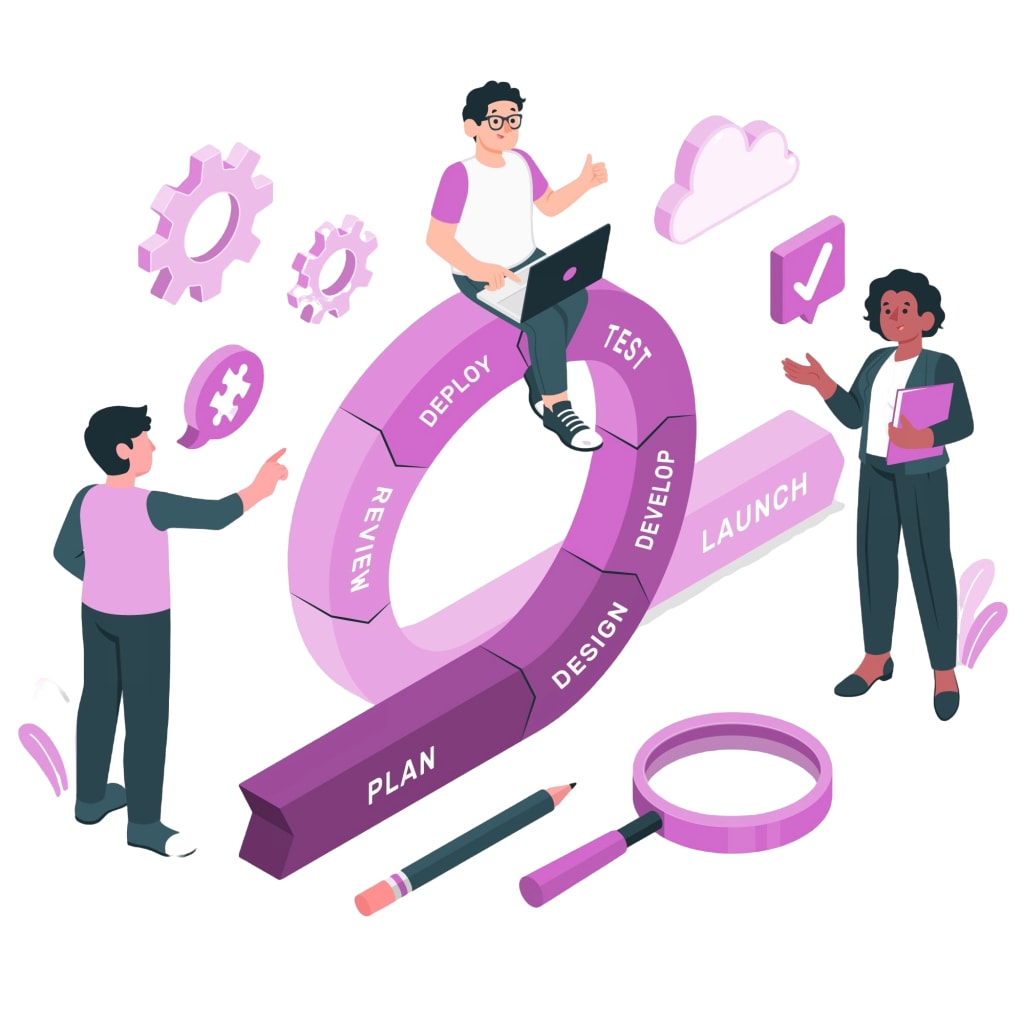
The ever-evolving landscape of software development has cemented DevOps as a cornerstone of efficient, high-quality delivery. As organizations aim for faster deployment, improved collaboration, and robust automation, having a well-structured DevOps team becomes critical. In 2025, the roles and responsibilities of a DevOps team will continue to adapt, integrating emerging technologies and methodologies.
In this blog, we’ll delve into the essential roles and responsibilities that form the backbone of an effective DevOps team in 2025.
What is a DevOps Team?
A DevOps team bridges the gap between development and operations, fostering collaboration, communication, and automation to streamline software delivery. The team works across the lifecycle of an application, from development and deployment to monitoring and maintenance.
A DevOps team’s ultimate goal is to deliver reliable software faster while maintaining quality and minimizing risks.
Why a Dedicated DevOps Team is Crucial in 2025
- Increased Automation Needs: As businesses embrace tools like AI and ML for automation, a DevOps team ensures seamless integration into workflows.
- Complex Architectures: Microservices, multi-cloud strategies, and containerization demand specialized expertise.
- Enhanced Security Requirements: With cybersecurity risks growing, DevOps teams must integrate security into every stage of development (DevSecOps).
- Faster Delivery Expectations: Continuous delivery (CD) has become the norm, and DevOps teams make it possible.
Key Roles in a DevOps Team for 2025
Here’s a look at the essential roles you need for a future-ready DevOps team:
1. DevOps Engineer
Responsibilities:
- Designing and implementing CI/CD pipelines
- Automating repetitive tasks across development and operations
- Managing infrastructure as code (IaC) with tools like Terraform and Ansible
- Monitoring application performance and ensuring high availability
Skills Required:
- Proficiency in CI/CD tools like Jenkins or GitHub Actions
- Knowledge of scripting languages (Python, Bash)
- Expertise in cloud platforms (AWS, Azure, Google Cloud)
2. Site Reliability Engineer (SRE)
Responsibilities:
- Ensuring system reliability and performance through automation
- Monitoring uptime, latency, and system health metrics
- Collaborating with development teams to build scalable systems
- Incident management and post-mortem analysis
Skills Required:
- Strong analytical skills for troubleshooting
- Experience with monitoring tools like Prometheus and Grafana
- Knowledge of distributed systems
3. Cloud Architect
Responsibilities:
- Designing and managing cloud-based infrastructure
- Implementing multi-cloud and hybrid cloud strategies
- Optimizing cloud resource usage for cost efficiency
- Ensuring data security and compliance in cloud environments
Skills Required:
- Expertise in cloud platforms and their services
- Understanding of Kubernetes and container orchestration
- Strong knowledge of security protocols
4. Release Manager
Responsibilities:
- Planning and managing software releases
- Coordinating between development, QA, and operations teams
- Ensuring smooth deployment processes
- Handling rollback strategies in case of deployment failures
Skills Required:
- Strong project management skills
- Familiarity with CI/CD pipelines
- Experience with release management tools like Bamboo
5. Security Engineer (DevSecOps Expert)
Responsibilities:
- Embedding security practices into the DevOps pipeline
- Performing regular security audits and vulnerability assessments
- Automating compliance checks with tools like Chef InSpec
- Educating the team on security best practices
Skills Required:
- Knowledge of DevSecOps principles
- Expertise in security tools (e.g., Snyk, OWASP ZAP)
- Familiarity with compliance standards like GDPR, HIPAA
6. Automation Architect
Responsibilities:
- Creating and managing automation frameworks
- Implementing end-to-end testing automation
- Identifying processes that can benefit from automation
- Ensuring tools and scripts are scalable and maintainable
Skills Required:
- Deep understanding of automation tools
- Experience in test-driven development (TDD)
- Proficiency in scripting and programming
7. Monitoring and Observability Engineer
Responsibilities:
- Designing and maintaining monitoring dashboards
- Implementing observability practices to understand system behavior
- Managing tools for log aggregation and analysis (e.g., ELK Stack)
- Detecting and resolving performance bottlenecks
Skills Required:
- Expertise in observability tools like Splunk and New Relic
- Strong data analysis skills
- Familiarity with distributed tracing
8. Infrastructure Engineer
Responsibilities:
- Managing physical and virtual infrastructure components
- Ensuring infrastructure scalability and resilience
- Automating provisioning using tools like Terraform
- Handling disaster recovery and backup systems
Skills Required:
- Knowledge of hardware and networking fundamentals
- Experience with IaC and containerization tools
- Problem-solving and troubleshooting expertise
9. QA Automation Engineer
Responsibilities:
- Automating functional, integration, and performance testing
- Collaborating with developers to create testable code
- Using frameworks like Selenium for end-to-end testing
- Ensuring that software meets quality standards before release
Skills Required:
- Proficiency in testing tools and frameworks
- Knowledge of CI/CD pipelines
- Attention to detail and analytical thinking
Responsibilities of a DevOps Team in 2025
1. Automating Workflows
Automation lies at the core of DevOps. Teams must identify manual, repetitive processes and automate them for speed and consistency.
2. Collaborating Across Teams
DevOps is about breaking silos. Developers, QA, operations, and security must work together to achieve shared goals.
3. Managing Infrastructure as Code
Infrastructure automation ensures quick provisioning, scaling, and recovery, making IaC a vital responsibility for DevOps teams.
4. Implementing Security Practices
With cyber threats on the rise, integrating security into every phase of development (DevSecOps) is a top priority.
5. Optimizing Costs and Resources
As organizations scale, resource optimization becomes crucial. DevOps teams must ensure efficient utilization of cloud and on-premise resources.
6. Continuous Monitoring and Feedback
Real-time monitoring and feedback loops help teams detect and resolve issues proactively, improving overall system reliability.
Preparing Your DevOps Team for 2025
- Upskill Regularly: Invest in training programs for emerging tools and technologies like AI, ML, and blockchain.
- Adopt DevSecOps: Make security a shared responsibility across the team.
- Leverage Cloud-Native Technologies: Embrace Kubernetes, serverless architectures, and microservices.
- Focus on Observability: Build robust monitoring systems for greater insight into applications.
- Promote Collaboration: Foster a culture of communication and shared goals.
How Techify Solutions Can Help
At Techify Solutions, we understand the critical role DevOps plays in modern businesses. Our DevOps Automation Services in the USA are designed to help organizations build and optimize high-performing DevOps teams.
Our Services Include:
- CI/CD pipeline design and implementation
- Cloud infrastructure management
- DevSecOps integration
- Automation of workflows and processes
- Monitoring and observability solutions
By partnering with Techify Solutions, you gain access to experienced DevOps professionals who can guide your team to success in 2025 and beyond.
Conclusion
The future of DevOps is bright, but success depends on having the right team in place. By understanding the roles and responsibilities outlined in this blog, organizations can prepare for the demands of 2025 and achieve their software delivery goals with confidence.
About the Creator
Techify Solutions INC
Techify stands as the fastest-growing global tech company, with a presence in India and the United States and a diverse client base spanning India, USA, Australia, and UAE.
Enjoyed the story? Support the Creator.
Subscribe for free to receive all their stories in your feed.
Comments
There are no comments for this story
Be the first to respond and start the conversation.