
Dental Crown vs Veneer; What's the difference
If you're looking to improve the appearance, strength, or function of a damaged or missing tooth, consider getting a teeth cover. Teeth covers come in various types, such as dental crowns, veneers, inlays and onlays, dental implants, dental bridges, dentures, and orthodontic appliances. Depending on your dental issue, oral health, and aesthetic preferences, your Dentist Forest Hill can suggest the most suitable teeth cover for you. By getting a teeth cover, you can enhance your smile and protect your oral health.
Types of Covers
There are several different types of teeth covers, including:
• Dental Crowns: Tooth-shaped covers used to restore a damaged or decayed tooth's shape, size, strength, and appearance.
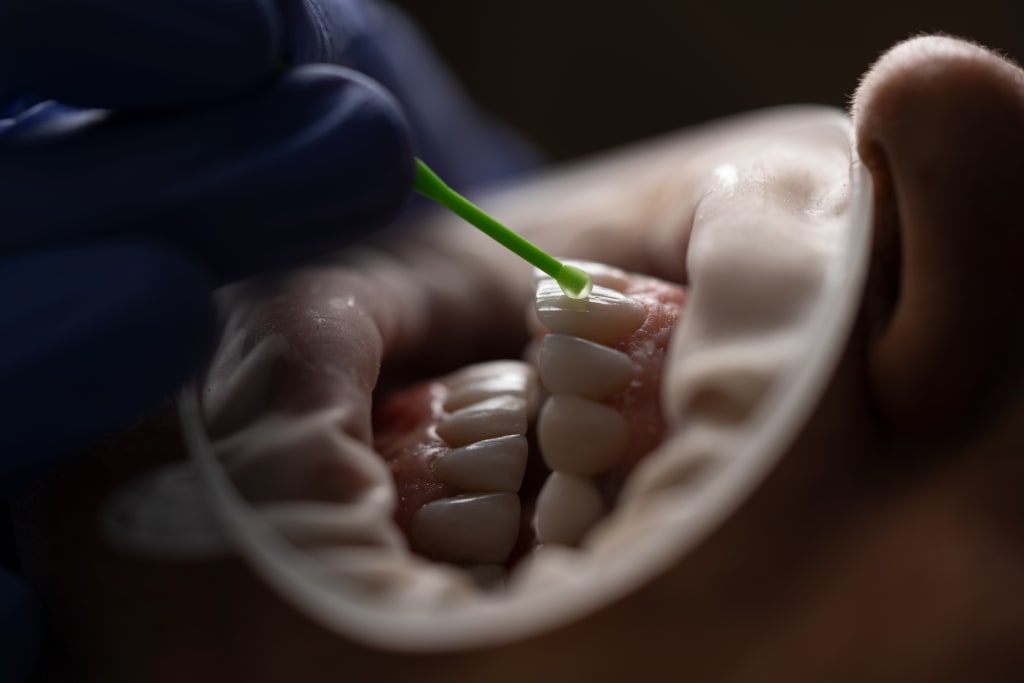
• Veneers: Thin shells attached to the front surface of a tooth to enhance its appearance.
• Inlays and Onlays: Dental restorations used to repair larger cavities or damage that is too extensive for a filling but not significant enough to require a crown.
• Dental Implants: Artificial tooth roots placed into the jawbone to support a crown or bridge.
• Dental Bridges: Used to replace missing teeth by attaching a false tooth or teeth to adjacent natural teeth or dental implants.
• Dentures: Removable dental appliances used to replace multiple missing teeth.
• Orthodontic Appliances: Such as braces or clear aligners used to straighten teeth, correct bite issues, and improve overall oral health.
Note: The choice of teeth cover depends on the specific dental problem being addressed, the patient's oral health, and their aesthetic goals. A Dentist Forest Hill can help determine which type of teeth cover is best suited for your needs.
Dental Crowns
If you have a damaged or decayed tooth, a Dental Forest Hill may recommend a dental crown, which is a tooth-shaped "cap" that is placed over the affected tooth to restore its shape, size, strength, and appearance. Dental crowns are typically recommended when a tooth is too damaged or decayed to be repaired with a filling. Crowns can also be used to cover dental implants or support bridges.
Custom-made to fit the specific tooth that needs to be restored, dental crowns can be made of materials such as porcelain, ceramic, metal, or a combination of these materials. Porcelain and ceramic crowns can be color-matched to the surrounding teeth, making them a popular choice for restoring front teeth. Metal crowns, such as those made of gold or silver, are typically used for back teeth because they are more durable and can withstand the biting and chewing forces better.
The process of getting a dental crown usually involves two appointments with a Dentist Forest Hill. During the first appointment, the dentist will prepare the tooth by removing any decay or damage and shaping it to accommodate the crown. They will also take impressions of the tooth and send them to a dental lab to fabricate the crown. In the meantime, a temporary crown is placed over the prepared tooth to protect it. During the second appointment, the permanent crown is placed over the tooth and cemented in place.
Overall, dental crowns are a long-lasting and natural-looking solution for restoring damaged or decayed teeth. If you have a damaged or decayed tooth, a Dentist Forest Hill can help you determine if a dental crown is the best option for your specific dental needs.
Veneers
Veneers are a cosmetic dental treatment that involves bonding thin shells to the front surface of a tooth to improve its appearance. At Dentist Forest Hill, veneers are custom-made to fit the size and shape of the tooth using porcelain or composite resin. These materials mimic the natural look of teeth and can be color-matched to the surrounding teeth for a seamless and natural appearance.
If you have discolored, chipped, misshapen, or gapped teeth, veneers may be a recommended solution. They are less invasive than dental crowns and require minimal removal of the tooth structure. The process of getting veneers involves two appointments with your Dentist Forest Hill. During the first appointment, the dentist will prepare the tooth by removing a small amount of enamel to make room for the veneer. Impressions of the tooth will be taken and sent to a dental lab for fabrication of the veneer. A temporary veneer may be placed over the tooth to protect it while you wait. During the second appointment, the permanent veneer will be bonded to the tooth using a special dental adhesive.
While veneers provide a long-lasting and natural-looking solution for improving the appearance of teeth, they may not be suitable for teeth with significant damage or decay. Your Dentist Forest Hill can help you determine if veneers are the best option for your specific dental needs.
Both side by side
At Dentist Forest Hill, we offer two common types of teeth covers to improve the appearance, strength, and functionality of teeth. Dental crowns, also known as caps, are tooth-shaped covers made of materials such as porcelain, ceramic, metal, or a combination of these materials. They are recommended for teeth with large cavities, fractures, or cracks, as well as those that have undergone root canal treatment. On the other hand, veneers are thin shells made of porcelain or composite resin that are custom-made to fit the size and shape of the tooth. Veneers are used to correct cosmetic dental issues such as discolored, chipped, misshapen, or gapped teeth. Both dental crowns and veneers can provide a long-lasting and natural-looking solution for improving the appearance and function of teeth. Your dentist in Forest Hill can help determine which type of teeth cover is best suited for your needs based on the condition of your teeth, your budget, and your cosmetic goals. However, it is important to note that veneers may not be suitable for teeth with significant damage or decay.
Both against each other
When it comes to dental restorations, two common options for improving the appearance of teeth are dental crowns and veneers. While they share some similarities, there are some key differences between the two that patients should be aware of. Here are some of the differences between dental crowns and veneers:
• Purpose: Dental crowns are primarily used to restore the size, shape, strength, and function of damaged or decayed teeth. Veneers, on the other hand, are mainly used to address cosmetic concerns like discolored, chipped, misshapen, or gapped teeth.
• Material: Dental crowns are commonly made of materials such as porcelain, ceramic, or metal. Veneers are typically made of porcelain or composite resin.
• Preparation: Dental crown preparation usually involves more significant preparation of the tooth, such as removing any damage or decay and reshaping it to accommodate the crown. Veneers usually require minimal preparation, with only a small amount of enamel removed to make room for the veneer.
• Coverage: Dental crowns cover the entire tooth, while veneers only cover the front surface of the tooth.
• Durability: Dental crowns tend to be more durable than veneers and can last 10-15 years or longer with proper care. Veneers usually last 5-10 years or longer with proper care.
• Cost: Dental crowns are generally more expensive than veneers due to requiring more materials and preparation. Overall, if you have significantly damaged or decayed teeth, dental crowns may be recommended, while veneers are a better option for cosmetic concerns. If you are unsure which option is best for your dental needs, your Dentist Forest Hill can help you make an informed decision.
See you Later
In conclusion, Dental coverings, such as dental crowns and veneers, are dental restorations that are used to improve the appearance and function of damaged or cosmetically flawed teeth. Dental crowns are primarily used to restore the shape, size, strength, and function of damaged or decayed teeth, while veneers are used to improve the appearance of teeth that are discolored, chipped, misshapen, or gapped. Both dental crowns and veneers can provide long-lasting and natural-looking solutions for dental problems, and the choice between the two depends on the specific dental issue being addressed. Your dentist can help you determine which type of dental covering is best suited for your needs.
About the Creator
Enjoyed the story? Support the Creator.
Subscribe for free to receive all their stories in your feed.
Comments
There are no comments for this story
Be the first to respond and start the conversation.