
Decoding AI Authorship: How to Identify Machine-Generated Content
All About AI Detection

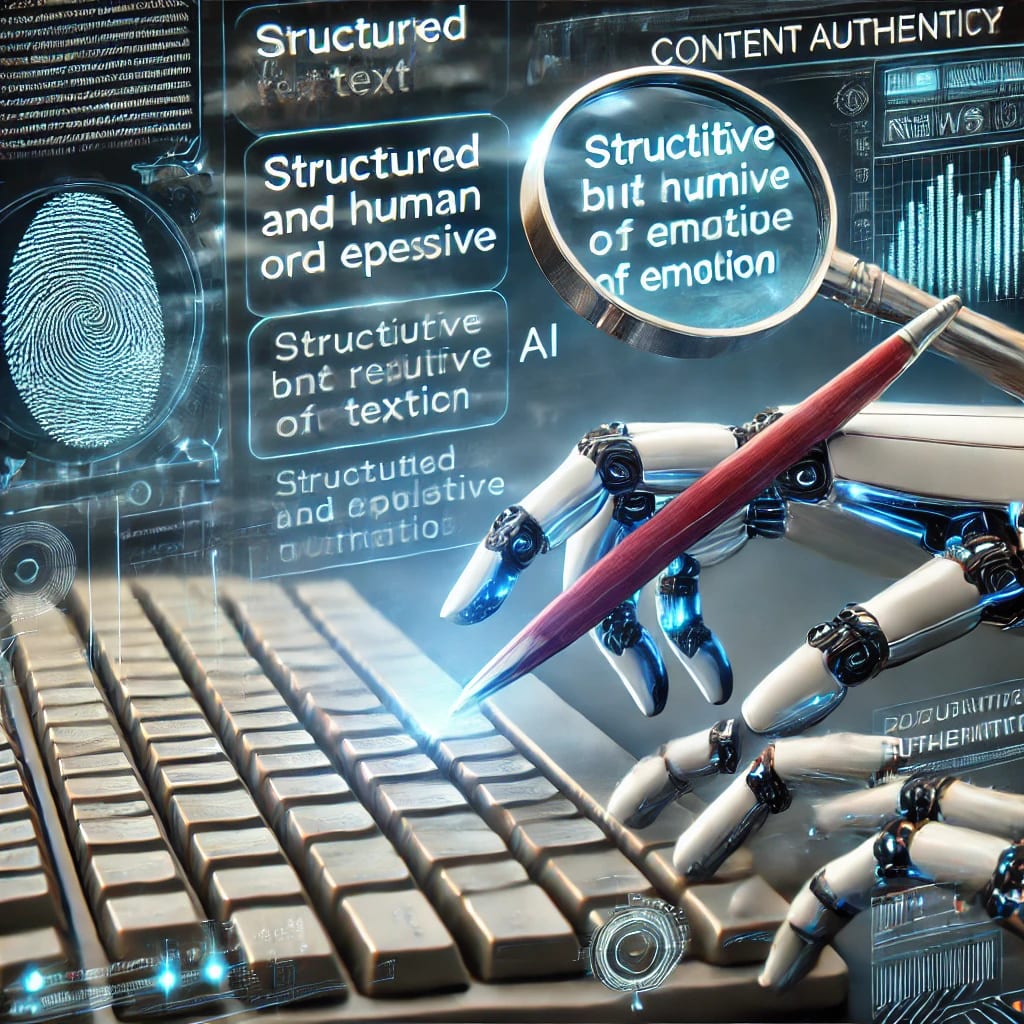
Decoding AI Authorship: How to Identify Machine-Generated Content
Introduction
With AI-powered writing tools becoming more advanced, distinguishing between human-written and AI-generated text is becoming a crucial skill. Whether in academic papers, blog articles, or business reports, AI-created content is everywhere. But how can you tell if a piece was crafted by a human or an algorithm?
In this guide, we’ll explore the key characteristics of AI-generated text, why it matters, and how platforms like EduWriter.ai are shaping the future of content creation.
Why It’s Important to Detect AI-Generated Text
AI writing tools are invaluable for boosting productivity, but there are instances where it’s essential to know whether content is AI-generated or human-written:
✅ Academic integrity – Ensuring students submit original work
✅ Journalistic credibility – Verifying sources and maintaining trust
✅ SEO optimization – Avoiding penalties for excessive AI-generated content
✅ Authenticity in content creation – Preserving unique perspectives and creativity
As AI technology evolves, understanding the nuances of AI authorship can help maintain credibility and ethical writing standards.
How to Identify AI-Generated Text
1️⃣ Predictable Sentence Structures
AI writing often follows repetitive patterns, with sentences that are structurally sound but lack natural variation.
2️⃣ Lack of Depth and Emotion
While AI can generate factual information, it struggles with emotional nuance, personal anecdotes, and deep critical analysis.
3️⃣ Overuse of Certain Words and Phrases
AI models rely on probability-based predictions, often repeating specific phrases more frequently than a human writer would.
4️⃣ Inconsistent Logic and Transitions
Sometimes, AI-generated text may contain awkward transitions, contradictory statements, or information that doesn’t logically flow.
5️⃣ No Personal Experience or Unique Insights
Human writers often infuse their work with personal stories, expert opinions, or firsthand experiences—elements AI struggles to replicate authentically.
The Role of AI Writing Tools Like EduWriter.ai
AI writing platforms, such as EduWriter.ai, are transforming the way content is created by providing writing assistance, improving readability, and helping users generate structured ideas. While AI can be a powerful tool, it works best when used alongside human creativity rather than as a complete replacement.
By combining AI-driven efficiency with human originality, writers can create compelling and authentic content while leveraging AI for brainstorming, editing, and research support.
How to Use AI Responsibly
To ensure AI is used ethically and effectively in writing, follow these best practices:
✔ Use AI as an assistant, not a replacement – Let AI help structure your writing, but ensure your voice and originality remain.
✔ Verify information – AI can generate errors, so always fact-check and reference reliable sources.
✔ Edit and refine AI-generated text – Make the content more personal, engaging, and unique.
✔ Be transparent – If AI played a significant role in content creation, disclose it to maintain trust with your audience.
Conclusion
As AI-generated content continues to shape the digital landscape, knowing how to identify and responsibly use AI writing tools is essential. While AI can enhance productivity and idea generation, human creativity and authenticity remain irreplaceable.
By leveraging AI platforms like EduWriter.ai wisely, we can create high-quality, engaging, and ethical content that balances automation with originality.
What’s your take on AI-generated writing? Do you see it as a tool or a challenge? Let’s discuss! 🚀
About the Creator
EduWriter
EduWriter.ai is a powerful AI writing tool that helps students create essays effortlessly. With smart technology and various templates, it saves time and boosts productivity, making academic writing easier.
Enjoyed the story? Support the Creator.
Subscribe for free to receive all their stories in your feed.
Comments
There are no comments for this story
Be the first to respond and start the conversation.