
Cultural Lessons Learned in Japanese Kindergartens
Explore Cultural Lessons Learned in Kindergarten Schools in Japan

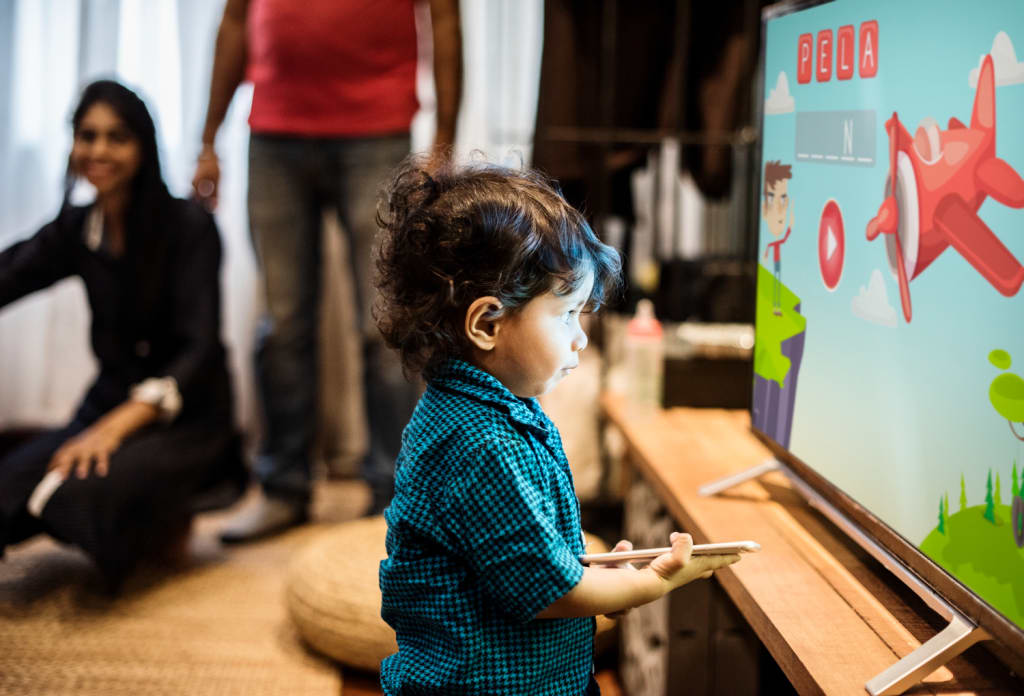
Japanese kindergartens play a significant role in shaping young minds. They offer more than just academic preparation—they are an introduction to the cultural values that form the foundation of Japanese society.
From an early age, children are immersed in an environment where community, respect, and independence are at the forefront. These formative lessons prepare them for a harmonious and disciplined life, creating a unique and enriching experience for their early education.
Building a Sense of Community
One of the most remarkable aspects of a Japanese kindergarten is its emphasis on fostering community spirit. Children are taught the importance of collaboration and teamwork through group activities. Tasks such as cleaning the classroom, watering plants, and arranging toys are shared responsibilities that encourage children to take ownership of their surroundings. These simple yet powerful routines instill the value of mutual respect and cooperation.
Additionally, cultural practices are deeply ingrained into everyday routines. For example, children greet each other with bows and express gratitude before meals by saying “itadakimasu,” which translates to "I humbly receive." These acts of politeness teach children to value harmony and respect, both of which are integral to Japanese culture.
Through these shared experiences, children not only build strong interpersonal skills but also develop a profound understanding of how their actions impact the community.
Nurturing Independence from an Early Age
Developing self-reliance is another key focus in Japanese kindergartens. From an early age, children are encouraged to handle small tasks on their own. Whether it’s organising their bags, putting on their shoes, or helping with meal preparation, these activities nurture independence.
For instance, after playtime, children are expected to tidy up their toys and learning materials without adult intervention. This helps them understand the importance of responsibility and accountability. By integrating such practices into their daily routines, kindergartens prepare children for the challenges of adulthood while boosting their confidence in their abilities.
This focus on independence also fosters resilience. Children learn to overcome small hurdles on their own, which contributes to their emotional and mental growth.
Cultural Education Through Daily Activities
Japanese kindergartens stand out for seamlessly integrating cultural traditions into their curricula. Seasonal festivals, traditional arts, and other cultural practices are a regular part of the learning experience.
Children participate in events such as Tanabata (Star Festival), Hinamatsuri (Doll Festival), and Setsubun (Bean Throwing Festival), which teach them about the significance of seasonal changes and cultural heritage. Through hands-on activities like making Tanabata decorations or participating in traditional dances, children engage with their roots in a fun and meaningful way.
Additionally, arts like origami, calligraphy, and tea ceremonies are introduced to teach patience, precision, and an appreciation for cultural artistry. These activities not only enhance creativity but also help children develop a sense of pride in their heritage.
Balancing Structured Learning and Play
A balanced approach to education is a hallmark of Japanese kindergartens. Structured activities such as singing, storytelling, and group exercises are designed to teach discipline and focus. At the same time, ample opportunities for free play are provided to encourage creativity and social interaction.
During free play, children are free to explore, imagine, and interact with their peers. Whether building sandcastles, playing pretend games, or solving puzzles together, these moments allow them to develop problem-solving skills, emotional intelligence, and strong friendships.
By striking this balance, Japanese kindergartens ensure a holistic development of physical, cognitive, and emotional skills, preparing children for the complexities of later life.
Life Lessons Beyond the Classroom
Japanese kindergartens provide lessons that extend far beyond academics. Time management, punctuality, and routine are instilled through structured daily schedules. Morning exercises, for instance, are a common practice that teaches children the importance of physical activity and discipline.
These schools also emphasize empathy and compassion. By working together on shared tasks, children learn to consider the needs and feelings of others. This approach creates a strong moral foundation, ensuring they grow into thoughtful and responsible individuals.
In addition to personal growth, kindergartens prepare children to become active contributors to society. The collective mindset cultivated during these early years lays the groundwork for Japan’s harmonious and respectful culture.
International Perspectives in Japanese Education
For families looking to combine traditional Japanese values with global education, institutions like IB schools in Tokyo offer a compelling option. These schools incorporate international curricula while preserving key elements of Japanese education.
By blending the local focus on respect and discipline with a global outlook, these schools provide children with the best of both worlds. Students gain cultural awareness, strong ethical values, and the skills needed to thrive in an increasingly interconnected world.
This dual approach makes IB schools in Tokyo an excellent choice for parents who want their children to be well-rounded and culturally informed.
Conclusion
Japanese kindergartens provide a well-rounded educational experience that goes beyond academics. They nurture independence, instill respect, and promote a strong sense of community, all while preserving cultural traditions. These foundational lessons create individuals who are disciplined, empathetic, and socially responsible.
For parents exploring early education options, the unique offerings of a Japanese kindergarten, along with the global perspectives offered by IB schools in Tokyo, ensure a rich and fulfilling start to their children’s learning journey. This holistic approach ensures that children are not only prepared for academic success but also equipped with values and skills that last a lifetime.
About the Creator
Kajal Verma
I’m passionate about connecting families with the right international schools and curricula that will guide them on their educational journey and foster their growth.
Enjoyed the story? Support the Creator.
Subscribe for free to receive all their stories in your feed.
Comments
There are no comments for this story
Be the first to respond and start the conversation.