
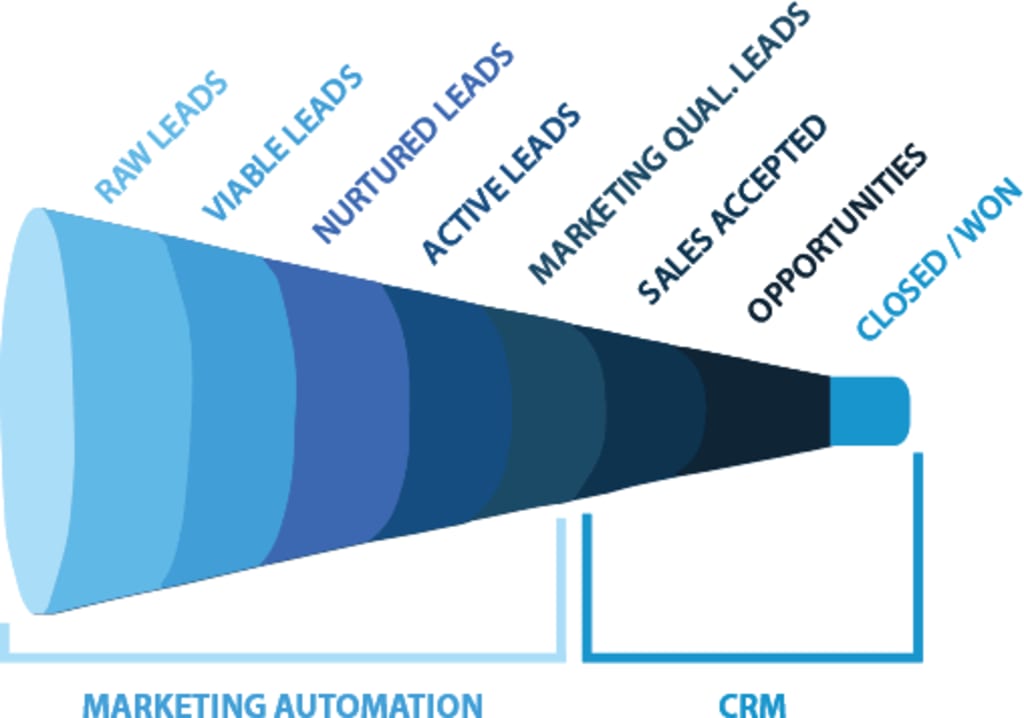
1. What is a CRM?
A CRM, or customer relationship management system, is a software tool that helps businesses manage their customer interactions. CRM systems typically include features like contact management, activity tracking, and opportunity management that help sales teams keep track of their prospects and customers.
CRM systems can be used by businesses of all sizes, but they’re particularly helpful for sales teams that manage a large number of customer relationships. CRM systems help sales teams stay organized and efficient, and they can be a valuable tool for tracking customer interactions and managing sales opportunities.
There are a number of different CRM systems on the market, and the right system for your business will depend on your specific needs. If you’re looking for a CRM system, be sure to consider your business’s specific needs and objectives, and choose a system that will help you meet those goals.
2. How does CRM software work?
CRM software helps businesses manage their customer relationships. It can be used to track customer data, sales data, and contact information. CRM software can also be used to manage customer service and support requests.
CRM software typically includes features such as contact management, lead management, opportunity management, and activity management. CRM software can be used to track customer data, sales data, and contact information. It can also be used to manage customer service and support requests.
CRM software typically integrates with other business applications, such as email, accounting, and customer support software. This allows businesses to have a complete view of their customer relationships.
CRM software can be used to track customer data, sales data, and contact information. It can also be used to manage customer service and support requests. CRM software typically integrates with other business applications, such as email, accounting, and customer support software.
3. What are the benefits of CRM software?
CRM software is a powerful tool for businesses of all sizes. It can help you manage your customer relationships, track sales and marketing data, and automate many of your daily tasks. CRM software can also be used to improve your customer service, increase your sales, and boost your overall productivity.
There are many benefits of using CRM software, but here are three of the most important ones:
1. Improve customer service
CRM software can help you manage your customer relationships more effectively. With CRM, you can track customer data, such as contact information, purchase history, and support requests. This information can be used to improve your customer service. For example, if you see that a customer has a history of making support requests, you can proactively reach out to them to offer assistance.
2. Increase sales
CRM software can also be used to increase sales. With CRM, you can track your sales data, such as leads, opportunities, and closed deals. This information can be used to improve your sales process. For example, if you see that you’re not closing as many deals as you’d like, you can use CRM to identify the bottlenecks in your sales process.
3. Boost productivity
CRM software can help you boost your overall productivity. With CRM, you can automate many of your daily tasks, such as lead capture, contact management, and email marketing. This can free up your time so you can focus on more important tasks, such as closing deals and serving customers.
CRM software is a powerful tool that can help businesses of all sizes. If you’re looking to improve your customer service, increase sales, or boost your productivity, CRM is a great solution.
- Organization
Organization is the process of bringing people and resources together to achieve a common goal. In business, organization is the process of designing and structuring work to achieve efficiency and effectiveness.
There are two types of organization: formal and informal. Formal organization is the deliberate, planned arrangement of people and resources to achieve specific objectives. It is the type of organization found in businesses and other institutions. Informal organization is the pattern of relationships and interactions that emerge spontaneously as people work together.
The main difference between formal and informal organization is that formal organization is designed to achieve specific objectives, while informal organization emerges spontaneously as people work together.
Formal organization is typically more rigid and hierarchical than informal organization. Formal organization is designed to achieve specific objectives, and it is typically more efficient and effective than informal organization. However, formal organization can also be inflexible and bureaucratic.
Informal organization is typically more flexible and organic than formal organization. Informal organization emerges spontaneously as people work together, and it is typically less efficient and effective than formal organization. However, informal organization can also be more creative and adaptive than formal organization.
Read more, Ztec100 tech fitness
- Task tracking
Task tracking is the process of tracking the progress of a task or project. This can be done manually, using a variety of tools, or through a project management software. Tracking tasks helps to ensure that tasks are completed on time and that resources are used efficiently.
There are many benefits to task tracking, including:
- Increased accountability: When everyone can see the progress of a task, they are more likely to take ownership of it and see it through to completion.
- Better time management: Tracking tasks helps to identify bottlenecks and areas where tasks are taking too long. This can help to improve time management and increase efficiency.
- Improved communication: Tracking tasks can help to improve communication between team members and ensure that everyone is on the same page.
- Reduced stress: Tracking tasks can help to reduce stress by providing a clear overview of what needs to be done and when it needs to be done.
There are a variety of tools that can be used for task tracking, including:
- Excel: Excel is a popular choice for task tracking because it is easy to use and familiar to many people.
- Google Sheets: Google Sheets is a free online alternative to Excel that offers many of the same features.
- Trello: Trello is a project management tool that offers an easy-to-use interface for tracking tasks.
- Asana: Asana is a project management tool that offers a variety of features for task tracking, including the ability to assign tasks to specific team members.
- Basecamp: Basecamp is a project management tool that offers a variety of features for task tracking, including the ability to create to-do lists and set deadlines.
- Increased sales opportunities
The terms CRM (customer relationship management) and marketing automation are often used interchangeably, but they actually refer to two different things. CRM software is designed to help businesses manage their customer relationships, while marketing automation software is designed to help businesses automate their marketing activities.
So, what’s the difference between CRM and marketing automation? CRM software is focused on managing customer data, while marketing automation software is focused on automating marketing activities. CRM software includes features like contact management, opportunity management, and lead management, while marketing automation software includes features like lead nurturing, lead scoring, and campaign management.
CRM software is a must-have for any business that wants to manage its customer relationships effectively. Marketing automation software is a valuable tool for any business that wants to automate its marketing activities.
- Centralized sales progress tracking
Sales progress tracking is the process of monitoring and recording the progress of sales activities. This can be done manually or through software, and is often used in conjunction with a customer relationship management (CRM) system.
The main purpose of sales progress tracking is to give sales managers and executives visibility into the sales pipeline, so they can see which deals are close to being won and which ones are at risk of falling through. This information can be used to make decisions about where to allocate resources, and to identify areas where sales training or process improvements are needed.
There are a few different ways to track sales progress. One common method is to use a sales funnel, which divides the sales process into stages (such as prospecting, qualifying, needs assessment, proposal, negotiation, and close). Deals are then assigned to each stage, and the percentage of deals in each stage is tracked over time. This provides a clear picture of where deals are getting stuck, and where the sales team is most likely to need help.
Another way to track sales progress is through activity-based tracking. This involves tracking the number and types of activities (such as calls, emails, and meetings) that salespeople are completing at each stage of the sales process. This information can be used to identify which activities are most likely to lead to a deal being won, and to make sure that salespeople are completing the necessary activities to move deals forward.
Sales progress tracking is a valuable tool for sales managers and executives, as it provides visibility into the sales pipeline and can help to identify areas where process improvements are needed. There are a few different ways to track sales progress, and the best method will vary depending on the needs of the organization.
Also Read :Components Technologies - Rugmaz.com
- Personalized communication
In a world where the average person is bombarded with over 4,000 marketing messages every day, it’s no wonder that many businesses are turning to marketing automation to help them cut through the noise and better target their audiences. But what exactly is marketing automation, and how does it differ from CRM?
At its core, marketing automation is all about using technology to automate marketing tasks and workflows. This can include everything from email marketing and lead nurturing to social media campaigns and event management. By automating these activities, businesses can free up their marketing teams to focus on more strategic tasks, such as developing creative campaigns and identifying new growth opportunities.
CRM, on the other hand, is a customer relationship management system. Its main purpose is to help businesses manage their customer data and interactions in one central place. This information can then be used to better understand customer needs and preferences, and to develop more targeted and personalized marketing strategies.
While marketing automation and CRM are two separate tools, they can actually be quite complementary. When used together, they can give businesses a complete picture of their customers and help them create more targeted and effective marketing campaigns.
4. Examples of CRM systems
The term “CRM” stands for customer relationship management. CRM software is designed to help businesses manage their customer relationships more effectively. There are a variety of different CRM systems available, each with its own unique features and capabilities. Here are four examples of popular CRM systems:
Salesforce CRM: Salesforce CRM is a cloud-based CRM system that offers a variety of features, including contact management, opportunity management, lead management, and activity tracking.
Zoho CRM: Zoho CRM is another popular cloud-based CRM system. It offers similar features to Salesforce CRM, including contact management, opportunity management, and lead management.
Insightly CRM: Insightly CRM is a cloud-based CRM system that offers a variety of features, including contact management, opportunity management, lead management, and activity tracking.
Pipedrive CRM: Pipedrive CRM is a cloud-based CRM system that offers a variety of features, including contact management, opportunity management, lead management, and activity tracking.
5. What is marketing automation?
The terms CRM (customer relationship management) and marketing automation are often used interchangeably, but they actually refer to two different things. CRM software is designed to help businesses manage their customer relationships, while marketing automation software is designed to help businesses automate their marketing efforts.
So, what’s the difference between CRM and marketing automation?
CRM software is focused on helping businesses manage their customer relationships. This includes tasks such as storing customer contact information, managing customer interactions, and tracking customer data. CRM software is typically used by sales teams to help them keep track of their prospects and customers.
Marketing automation software, on the other hand, is focused on helping businesses automate their marketing efforts. This includes tasks such as sending email campaigns, tracking website visitors, and managing social media accounts. Marketing automation software is typically used by marketing teams to help them automate their marketing campaigns and save time.
So, which one should you use? It really depends on your needs. If you’re primarily focused on managing your customer relationships, then CRM software is a better choice. If you’re primarily focused on automating your marketing efforts, then marketing automation software is a better choice.
Both CRM and marketing automation software have their pros and cons, so it’s important to choose the one that’s right for you. If you’re not sure which one to choose, we recommend talking to a sales or marketing professional to get their opinion.
6. How does marketing automation work?
CRM, or customer relationship management, and marketing automation are two terms that are often used interchangeably, but they refer to two different things. CRM is a system that helps businesses manage their customer relationships, while marketing automation is a tool that helps businesses automate their marketing efforts.
At its core, CRM is a way for businesses to keep track of their customers and potential customers. CRM systems can help businesses track customer data, such as contact information, purchase history, and preferences. This information can be used to create targeted marketing campaigns and sales strategies.
Marketing automation, on the other hand, is a tool that helps businesses automate their marketing efforts. Marketing automation can be used to create and send out emails, social media messages, and targeted ads. It can also be used to track the results of marketing campaigns and adjust strategies accordingly.
While CRM and marketing automation are two different things, they can be used together to create a powerful marketing and sales strategy. By using CRM to track customer data and marketing automation to create and send targeted messages, businesses can more effectively reach their target audiences.
7. What are the benefits of marketing automation?
Marketing automation is a process of using software to automate marketing tasks. It can help save time and money while increasing sales and improving customer relations.
Some of the benefits of marketing automation include:
1. Increased Efficiency
Marketing automation can help you automate repetitive tasks so you can focus on more important things. For example, you can set up automated emails to welcome new subscribers or send discount codes to customers who haven’t purchased in a while.
2. Improved Customer Relations
With marketing automation, you can keep track of customer interactions and preferences so you can offer them tailored content and deals. This can help build customer loyalty and turn one-time buyers into lifelong fans.
3. Greater ROI
By automating your marketing tasks, you can free up time and resources that can be better spent elsewhere. This can lead to a higher return on investment (ROI) for your marketing campaigns.
4. Increased Sales
By automating your marketing, you can improve your sales funnel and close more deals. For example, you can use marketing automation to nurture leads with personalized content until they’re ready to buy.
5. Better Insights
Marketing automation can help you track data and analytics so you can better understand your customers and what’s working (and not working) for your business. This can help you make more informed decisions about your marketing strategies.
Overall, marketing automation can save you time and money while helping you increase sales and improve customer relations. If you’re not using marketing automation, now is the time to start!
About the Creator
Enjoyed the story? Support the Creator.
Subscribe for free to receive all their stories in your feed.
Comments
There are no comments for this story
Be the first to respond and start the conversation.