
Countries are struggling to contain inflation but not Switzerland
Switzerland
NGS is Hope. Okay, do you think Switzerland somehow got it a bit more right than maybe another place? Think so,
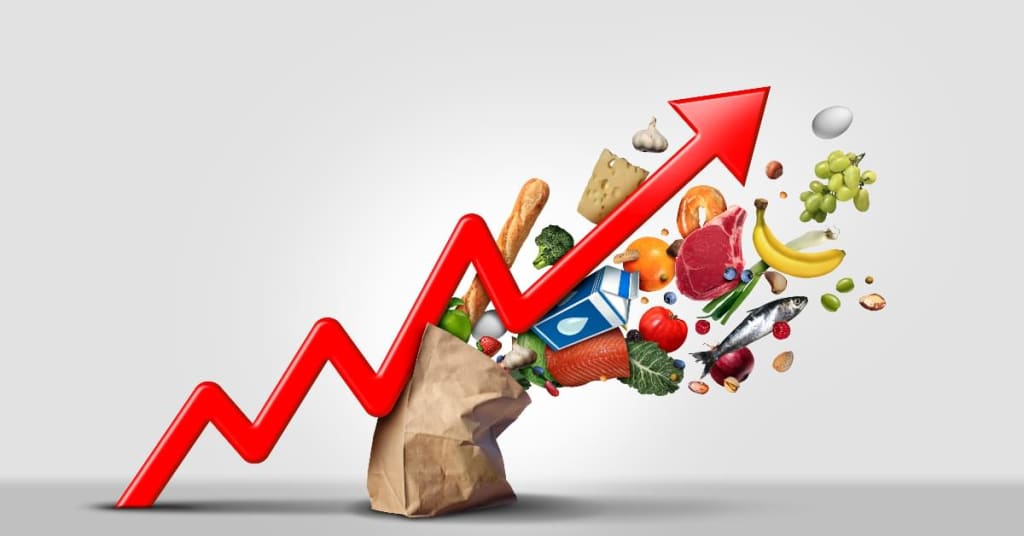
inflation in Switzerland. Hit a 29-year high of 3.5% in 2022, while still high by Swiss standards. It is well below the double-digit inflation rates in other advanced economies, like the US, UK, and Eurozone. So what is it about the Swiss economy? That means it's largely avoided rampant inflation. And what can other countries learn from it?
There are multiple parts to Switzerland's inflationary story for starters. Prices in the country are already beginning from a high base. Switzerland is one of the world's wealthiest countries with a GDP per capita outstripping, that of other major economies, like the US, Japan, and Germany. It is also home to some of the richest citizens in the world, with an average wealth of nearly 700,000 dollars per adult
and a steep cost of living to match. In 2022, the Swiss cities of Zurich and Geneva held steady among the world's 10 most expensive cities, even as inflation pushed up, living costs in other pricey places like Singapore, New York, and Tel Aviv Tobias. Strumming is a professor of modern and economic history at the University of Zurich. It's because people are on average quite reach the share of food in the overall budget of household is not as big
as maybe no other countries. We also Of inequality, of course, but from an international perspective, we have, I think a very well-functioning social policy as a result. Swiss citizens are generally less impacted by Price hikes because they tend to spend a lower proportion of their income on Essentials versus discretionary items, such as vacations and hobbies, which they can scale back. When prices go up. Another reason for Switzerland's relative price stability stems from the strong Swiss franc.
The country's currency has also Steadily strengthened rising in value against the euro to reach, parity in 2022. And while the US dollar strengthened against many major currencies in 2022, the Swiss franc held steady amid volatility in Europe. That's largely due to its status as a safe, haven currency, or defensive asset. The Swiss franc is heavily backed by large reserves of gold bonds, and financial assets, which helped the Swiss National Bank ensure the country's stability during
Names of volatility. It's been a haven currency in times of Crisis, and they start about a hundred years ago after World War I of course, with the war and all that and covid, the Swiss franc again was in much demand. The strength of its currency is also beneficial for its economy, which is heavily dependent on international trade, in 2020. Switzerland imported around 300 billion dollars worth of goods and services, most of which come from neighboring countries.
You countries a stronger Swiss franc. Therefore provides an effective discount on those Imports in the same year, Switzerland exported an equal amount but those tended to be higher value, goods, and services, such as watches and pharmaceuticals which are less susceptible to price fluctuations than low-margin mass-produced. Commodities Switzerland is also less exposed to some volatile external factors that pushed prices higher in 2022. Such soaring oil and gas prices were caused by Russia's war in Ukraine.
He to around 1500 lakes and numerous Rivers hydropower plays. A key role in Switzerland's energy production hydroelectricity accounts for more than a tenth of Switzerland's energy consumption making the country less reliant on oil and gas Imports than some of its European neighbors. Swiss energy suppliers are also largely publicly owned, which means they're less exposed to extreme Market volatility through financial safety nets, but are also subject to more strict pricing regulations in
and you have a lot of State control of prices, which is kind of strange because you think of Switzerland as a very liberal country but in the crucial areas like energy and rent, you have a lot of public controls. That means that the inflation rate is stretched over time. It doesn't mean that there is no inflation at all, but you can avoid that you have a certain short-term effect at the end of 2020 on Energy prices in Switzerland, which Rose at a rate of 16.2%.
Below the levels faced by Major peers like Germany, the Netherlands, the UK, and Italy. Switzerland energy. Regulator now expects prices to rise further. 27% in 2023 with the typical annual household, Bill topping 1215, Swiss Francs. Jean-Claude Hobby is the manager of the Hotel. Pismo n Cloisters in the east of Switzerland. He said standardization of long-term energy, contracts have sheltered businesses like his from the right.
Rising costs in 2023. I'm not worried this year because the contract is still at the end of the year afterward. It will go up by multiple five. Probably. So that's a big increase. But okay, we will have to manage that, the four-star hotels, Dynamic pricing structure. Also means that Hoover has been able to pass on price, hikes of around 5, to 10 percent to the consumer. Without hurting demand, we can absorb it because we can play with the raids much more than if you have fixed rates.
Time and that helps us a lot. If you take two or three-star hotels, they will have much more problems because these people are very much more sensitive, to the cost of energy. Switzerland also has stringent controls on the price of goods and services. Making it less susceptible to inflation LED price fluctuations of the core products used to measure inflation in the Eurozone, including food, housing, and transport, or Miss 1/3 a subject to price regulation in Switzerland, more than any other European country.
High tariffs on certain agricultural Imports. Also, this means that domestically produced foods such as milk and cheese are preferentially priced and less impacted by movements. In Global Food Markets, we try to buy as much as possible swiss but even Regional which means bread and milk products. And so on to buy them locally long-term you want to have a local industry working functioning and you need Farmers. So it's important that they can sell their product
in December of twenty twenty-two. Swiss food prices Rose at an annualized rate of 4% compares with 11.9% in the u.s. 16.9% in the UK and 19.8% in Germany and the restaurant, food cause we can adapt very easily in increasing the cost of the meals, but we call ourselves. Because you shouldn't exaggerate all of that, doesn't mean Swiss consumers have been immune to recent price hikes. However, some say they're feeling the pinch more than ever.
So, Where have you felt it? Most energy prices are electricity and some groceries. Have gotten this more expensive than usual. The poor people or the low wages suffer from it and they have a problem in Switzerland. Central Bank said it now expects inflation to dip to an average of 2.4% in 2023 before falling to 1.8 percent in 2024. Even if you have kind of a recessionary scenario, people are still coming in
and that, of course, table. Esteem. And I expect the same thing for this year 2023. And probably also for 2024. What if anything? Do you think other countries can learn from the Swiss model exchange rate? Policies are very difficult to imitate because we have the Euro and the Euro has to consider all countries and I think for some countries that appreciation would be maybe good for import prices. But bad for export, this question, about who owns energy production, maybe
it's a good idea to think about nationalize at least part of it to be more resilient and to have a long-term owner who looks for the consumer in another place in Europe, there was a clear shift to privatization, and in the medium and short term that was a very good idea but it's not very resilient and they're haunted by these decisions now and at the time many people said the Swiss are too conservative but I'd say in retrospect it was a very good decision.
About the Creator
Enjoyed the story? Support the Creator.
Subscribe for free to receive all their stories in your feed.
Comments
There are no comments for this story
Be the first to respond and start the conversation.