
Could Compassionate Skiing Redefine Instruction?
Teaching empathy on the slopes through adaptive techniques and community collaboration.
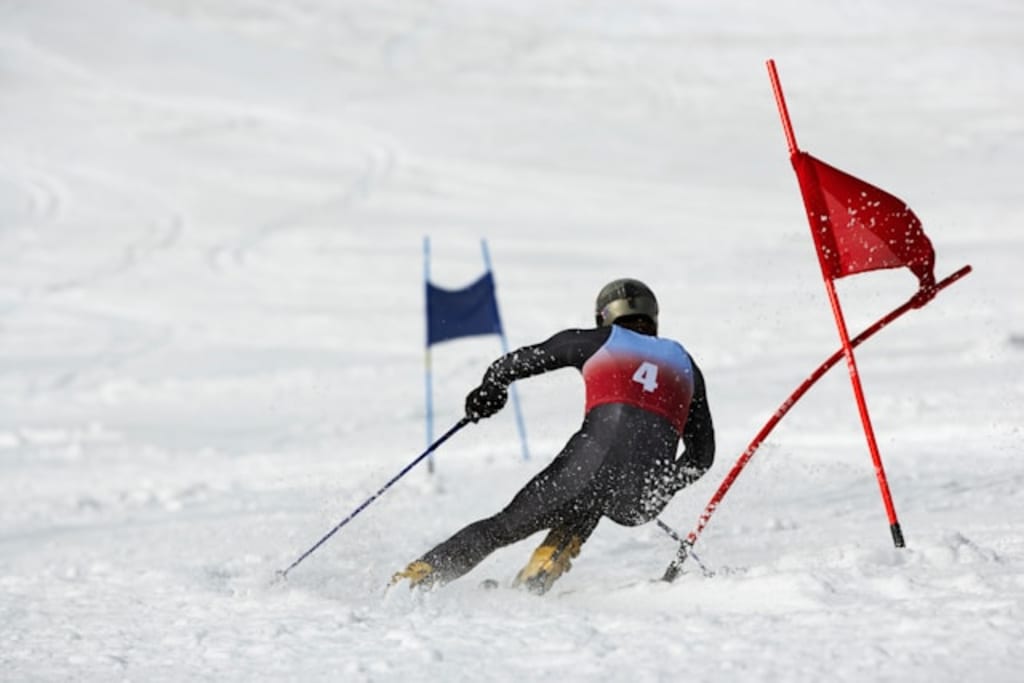
Have you ever wondered how skiing with compassion might transform the slopes into classrooms of empathy and growth? What if a special needs ski instructor could turn every descent into a lesson in resilience and connection? In this exploration, we’ll journey through adaptive teaching, innovative gear, tailored coaching, and community impact—each revealing how compassion can reshape both performance and personal development on the mountain.
What Sparks Compassion on the Slopes?
Why does skiing already feel sacred to so many? Perhaps it’s the crisp air, the silent glide, or the way gravity reshapes every turn. For instructors working with learners of diverse abilities, these moments become opportunities to infuse every run with empathy. Curiosity drives them to ask: How can I help this skier feel safe before they even strap on their boots? How can I transform a potentially intimidating environment into one of playful discovery?
Special needs ski instructors often begin by observing subtle cues—nervous fidgets, wide-eyed smiles, or trepidation at the chairlift. These observations spark questions: Which micro-adjustment could alleviate fear? Would a soft whisper of encouragement or a visual demonstration resonate more? By remaining curious about each learner’s emotional landscape, instructors design sessions that honor individual comfort zones and gently expand them. In doing so, they discover that genuine compassion often starts off the snow, in the informal chats and trust-building exercises before the first glide.
How Does Adaptive Equipment Transform Lessons?
Have you ever paused to consider how a single piece of equipment can redefine possibility? In adaptive skiing, gear like sit-skis, mono-skis, and customized outriggers serve as more than tools—they become extensions of a learner’s body and will. But how do instructors decide which adaptation best matches each individual’s strengths and goals?
Curious instructors delve into every specification: the shock-absorbing mechanism of a mono-ski, the handle placement on outriggers, or the seat angle on a sit-ski. They experiment, asking: Does this angle improve balance? Does that grip foster independence? Through hands-on trials and feedback loops, instructors learn to fine-tune setups until equipment feels intuitive. This iterative process often leads to surprising breakthroughs. A minor tweak in outrigger length might transform an uncertain swerve into a confident carve. By remaining inquisitive about the marriage of human movement and mechanical design, instructors help learners experience the slopes as a place of empowerment rather than limitation.
Can Personalized Plans Unlock Potential?
What if every ski lesson followed the same script? Routines can foster security, yet true growth often demands customization. How, then, do compassionate instructors craft learning plans that adapt to both mind and body?
The answer lies in dynamic assessment. Instructors begin by posing open-ended questions: Which drills feel intuitive? Where does anxiety spike? Armed with this insight, they co-create SMART goals (Specific, Measurable, Achievable, Relevant, Time-bound). One student might aim to master a three-point stop on a gentle incline; another might focus on improving upper-body stability for better steering in a mono-ski.
Lessons unfold in three phases—warm-up, targeted drills, and reflective cooldown. Yet within these phases, the real magic arises from continuous curiosity: Which cue prompted a breakthrough? How did weather or mood influence performance today? By journaling observations and soliciting learner feedback, instructors iteratively refine each plan. Over weeks, participants not only acquire technical skills but also internalize self-advocacy: they learn to voice preferences, celebrate micro-victories, and embrace challenges as catalysts for growth.
Why Community Partnerships Matter?
Could skiing with compassion remain a solo effort? In truth, the most transformative programs extend far beyond individual instructor-student pairs. What happens when resorts, nonprofits, therapists, and volunteers unite around a shared vision of inclusion?
Community partnerships multiply impact. Imagine an annual “Slope of Support” event where local therapists demonstrate safe transfer techniques, volunteers provide one-on-one assistance, and equipment vendors showcase the latest adaptive innovations. Curious participants ask: Which new seat design reduces fatigue? How can a peer mentor’s lived experience accelerate learning? These gatherings spark collaboration, ushering in grants and sponsorships that subsidize sliding-scale lesson rates.
Moreover, public storytelling amplifies awareness. Videos showcasing a teenager’s triumphant descent in a mono-ski or a senior navigating gentle rollers in a sit-ski become rallying points for donors and volunteers alike. As resorts adopt inclusive best practices—such as barrier-free lodge access or sensory-friendly waiting areas—they create systemic change. Ultimately, compassionate skiing thrives when curiosity-driven partnerships weave together expertise, resources, and shared purpose, ensuring every learner finds both support and inspiration on the slopes.
Could compassion become the defining edge in ski instruction? By asking questions at every turn—about emotions, equipment, pedagogy, and partnerships—special needs ski instructors transform the mountain into a living laboratory of growth. Through adaptive gear innovations, personalized coaching, and collaborative community efforts, skiing with compassion offers more than technique: it unlocks confidence, fosters unity, and reimagines what sport can achieve when curiosity and empathy lead the way.
About the Creator
Thad Rice
Thad Rice is a Customer Service Specialist and Professional Ski Instructor who works between Salt Lake City, Utah.
Portfolio : https://thadrice.com/
Enjoyed the story? Support the Creator.
Subscribe for free to receive all their stories in your feed.
Comments
There are no comments for this story
Be the first to respond and start the conversation.