
Comparing a Big City and a Small Town, a Writing Prompt
The Writing Prompt #2 Descriptive Writing Card called for a comparison of a big city and a small city. How would students take to this? How did I approach and write this? Here is Descriptive essay and some thoughts about its process (Second in a Series).

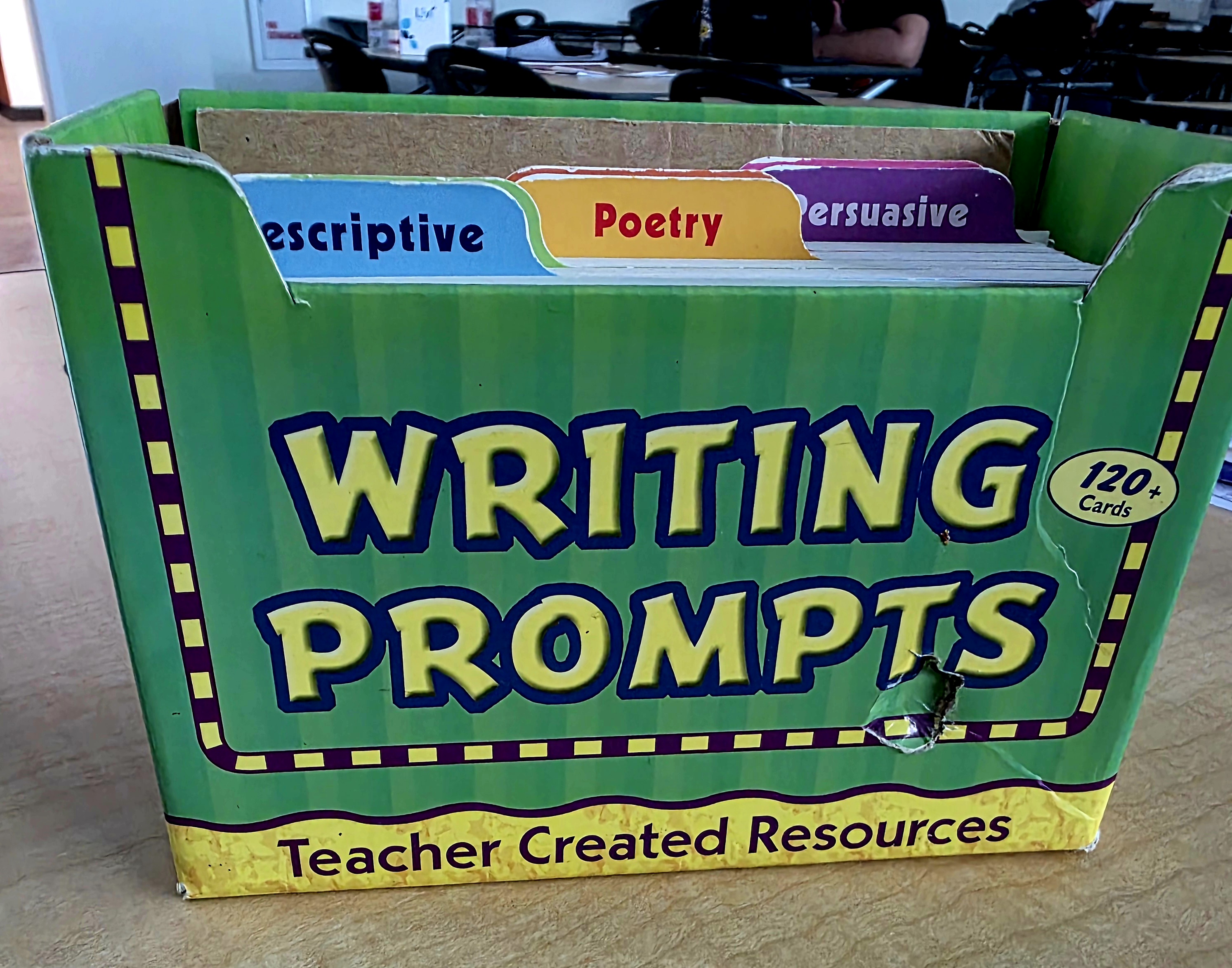
Prompt #2
Have you ever traveled through a small town and a large city? What are the similarities and differences between the town and city you visited? Write a description about both places. Describe what you like and dislike about both of these settings.
This particular prompt came from the second card from the Descriptive Writing section of the writing prompt collection. It’s a card I use frequently in my class; however, I had to cut back on it due to always pulling this out “randomly”.
There was simply a need to change things up. In addition, there’s often the case that I would receive the same students from previous years in my class. For that reason, I couldn’t be too random in my choices.
Thoughts Before Starting
On the surface, the prompt appears easy to respond to. Everybody has been through a big city or small town, right?
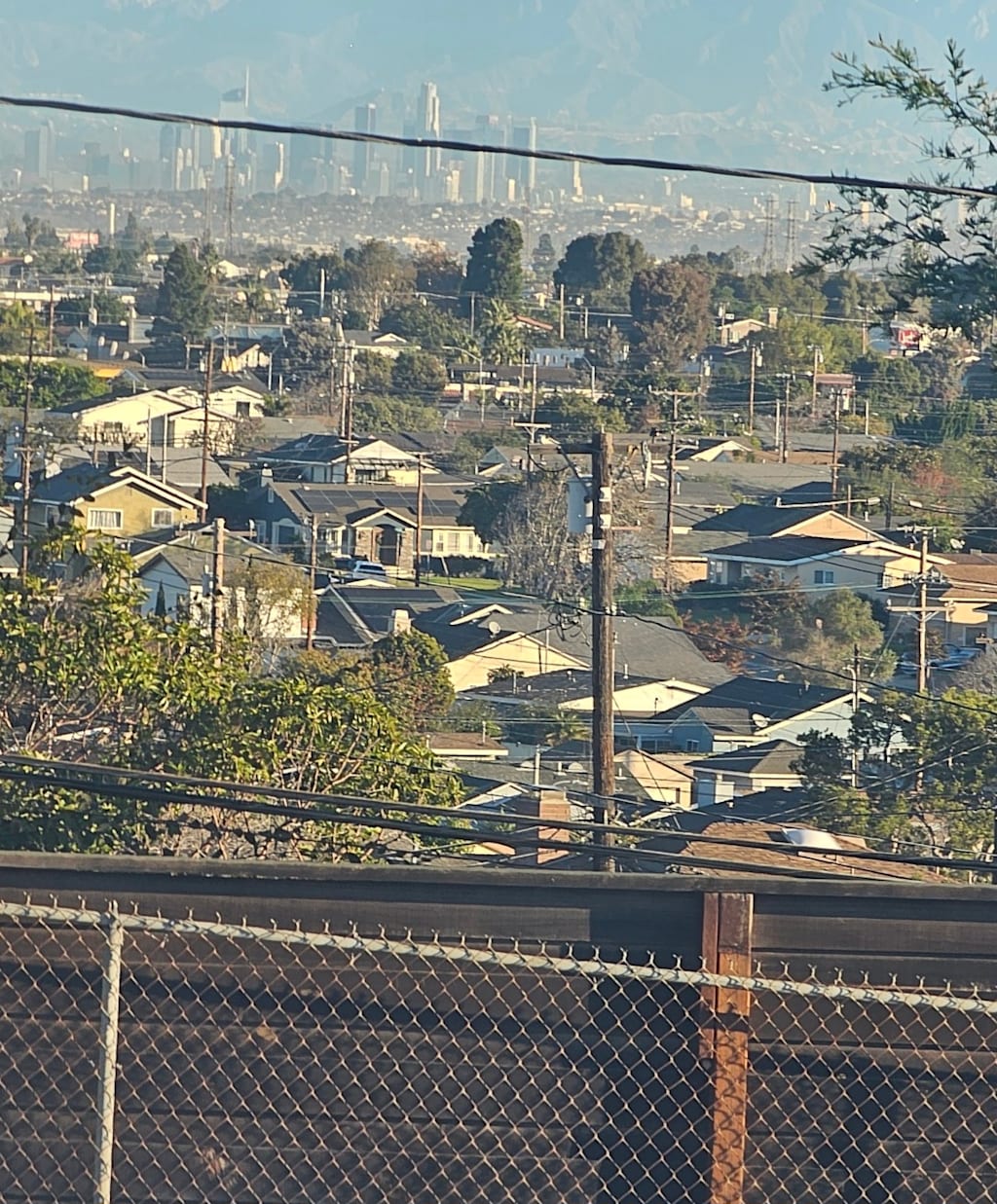
That’s not usually the case with my students. They know the big city, considering they live in the Los Angeles/Long Beach metropolitan area. However, for many, they haven’t been to all parts of this vast megalopolis. For many, they haven’t left their neighborhood and will probably never do so in the future.
Some may travel down to San Diego. But the route tends to be filled with mid-size suburbs, cities in Orange and San Diego Country. The only break from the urban landscape would be a stretch of highway through Camp Pendleton between San Clemente and Oceanside.
Others may have made the trip to Las Vegas. It’s possible they have stopped in Baker, Hemet in California or they may have stopped at Primm, Nevada. But, in truth many who travel on the 15 will not see much but open deserts once leaving the desert metropolis of Victorville/ Hesperia. Most people race through this empty corridor to get to Sin City by the end of the day (and considering that many of my students and their family are Raiders Fans, I don’t see them wasting their time in the small, almost non-existent desert towns that are found along the way).
How about a trip to the Bay Area? Well, again, the Raiders moved from Oakland to Las Vegas. Maybe 49ers fans will make this trip? Either way, the road trip between LA and the Bay Area along Interstate 5 goes through farmlands in the Central Valley, and there's really not much to see.
The ride along the coast on the 101 and 1 may provide some scenic views as it meanders through mid-size beach towns. But, in truth, why go this route when most people traveling north want to find the fastest route?
Interestingly, there are small towns that exist near LA. Many are mountain towns such as the Big Bear Mountain communities. Oddly, enough, few if any of my students ever wrote about this.
Also, if students are lucky enough to travel to another destination, they would take a plane instead (they may get discounts too, considering that many of their parents may work at LAX).
Another problem some students had with this problem was that they didn’t really understand the definition of a small town or felt the one they may have gone through was not exciting enough to write about.
Upon responding to this, I struggled with singling out a unique small town I’ve been through. Growing up, my family and I travelled relentlessly throughout the Western United States and Canada in an RV. There were many small towns that were unique.
While the big city was easy (simply the one I work in), finding the appropriate town to write about wasn’t.
There were lumber company towns of Northern California, Ferndale (which I wrote about), Solvang in central coastal California, and various communities in Utah, Wyoming, Montana, Washington, Oregon and Alaska. Also, I’ve sailed to two small island towns of Avalon and Two Harbors on Catalina Island.
In addition to that, there were international places within Canada’s British Columbia and Yukon areas and a small fishing village on the island nation of Dominica. I won’t get into how many big cities I’ve been to. There were quite a few, including the big ones such as New York City.
One thing I came to realize about most of the small towns I traveled through is that they usually had one or a few industries or attractions that kept them going and was the reason you wanted to be there. For example, Solvang is a Danish-themed town. The Big Bear mountain communities attracted skiers, mountain bikers, and campers.
There were a lot of towns that were like this. But, this prompt only works when you pick one Big City and one small town. While the big city was easy (simply the one I work in), finding the appropriate town to write about wasn’t.
One town eventually came to mind. It was a small town in central Idaho within canyon and next a wild river confluence. That town with a few hundred residents is Riggins. And, when I describe it, you’ll see why.
The Response to the Prompt
Los Angeles, California and Riggins, Idaho have rivers running through them. At one point both rivers were wild and unpredictable. However, the LA River (as the locals will call it) was tamed and has pretty much become a trickle during the dry days. Still, it manages to show its beast during heavy downpours.
The Salmon River (especially in the area where the Little Salmon River merges with it) is still wild, at least for the stretch that runs near Riggins. And that works out extremely well for this small town with a total area of .44 square miles and 372 residents.
LA and Riggins are polar opposites of one another. One has millions of people and the other has a few hundred. Still, when comparing the two there are some similarities as well as differences. Also, both have their positives and negatives.
The similarities are definitely there. Both LA and Riggins exist in an area near mountain ranges. In addition, bodies of water play pivotal roles . Their industries, too, are similar to a certain degree. Tourism is huge in both areas; however one relies on it more than the other (more on that later).
Other similarities (as mentioned before) are the rivers that flow through them. And both of them were built around a river. For those not aware about LA’s history, the city was originally founded by the river, which served as both a water and fishing source during its inception in the late 1700s. And, yes, salmon in both rivers were there.
Still, the differences are strikingly obvious. LA is massive and exists on various elevations. It has far more industries to count, which includes shipping at its harbor, oil production, entertainment, and tourism to name a few.
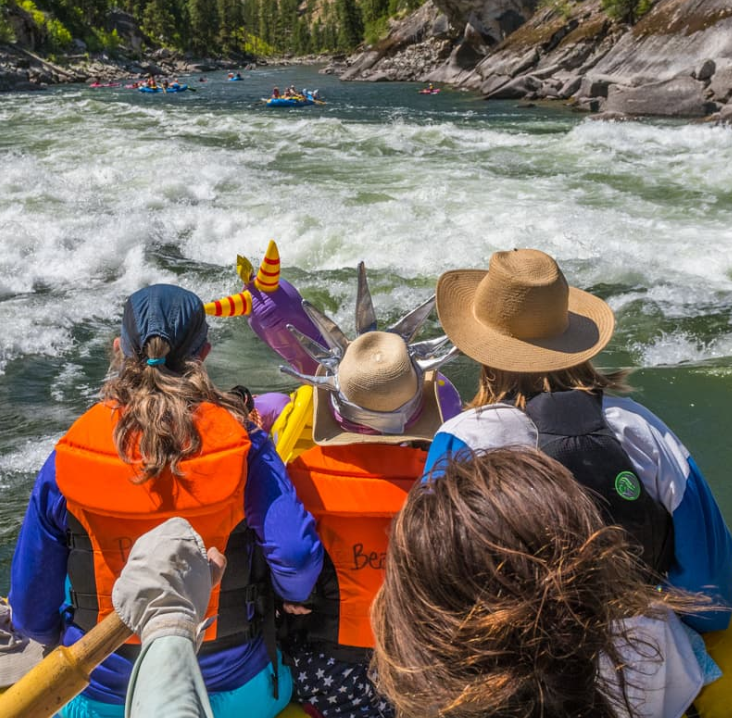
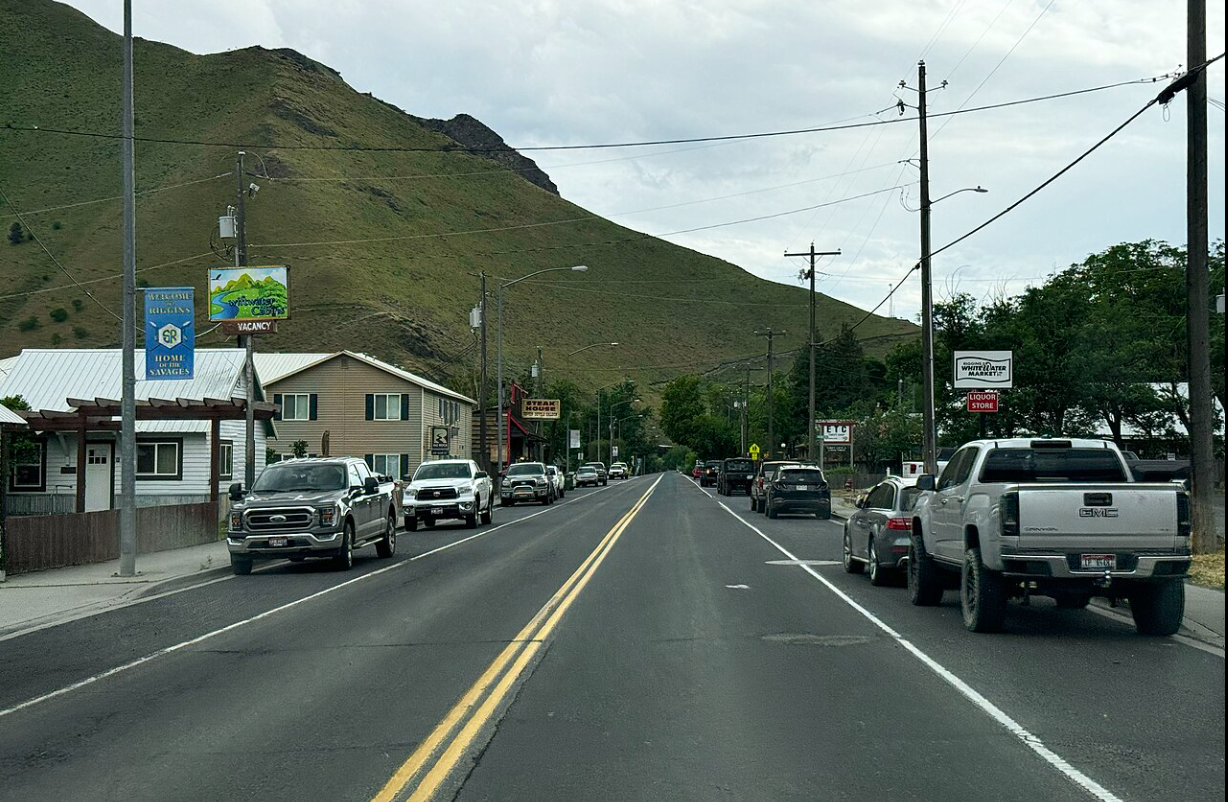
Riggins has one and its motto, "the Whitewater Capital" is self-explanatory. This river town is a Mecca for whitewater rafting. While fishing is big and there's a nearby amateur rodeo circuit outside of town, whitewater outfitter companies dominate the town's main street, Highway 95.
In addition, the road along the river on the town’s outskirts are lined with cars and people with kayaks or rafts of their own. Hotels, bars, and other businesses are geared for these visitors that seemingly inflate the town’s population to the thousands during the prime spring and summer months when the water and rapids are at its ideal levels.
Still, the town isn’t crowded. This is an advantage that it has over Los Angeles. This town is fairly isolated with only one road to enter. It doesn’t have the problems that a big city has such as air and noise pollution, traffic jams, high crimes, and a lack of open spaces (to be precise, LA does have open spaces, especially within the Santa Monica mountains well above downtown).
But, Riggins has its disadvantages: resources such as healthcare and public transportation are limited if non-existent. The closest cities for amenities are Lewiston, Idaho 125 miles to the west and Boise 150 miles the south.
The town relies on one industry, meaning that there’s very few choices within its jurisdiction. And if the river is low or too dangerous to ride, the economy can be affected.
These two extremes have similarities and differences and can be both beneficial or an inconvenience. As the old saying goes, it’s like comparing apples to oranges. Both are unique in their own ways, despite some of the similarities. If you like open sky country, natural grandeur, quiet wilderness with a wild river running through it, then Riggins is your choice. If you want a place with a lot of amenities, then LA is the place.
My Thoughts
While some students may not have the experience of going to a small town, others do, and I believe that they could have an easy time writing this. It would also work well with a Venn diagram and could actually be expanded into a full fledged essay rather than a quick-write as this was originally sold as. Thus, a lesson involving the process of pre-writing, outlining and writing drafts could definitely work for this (and should be the most appropriate way.
In fact, this did start off as a rough draft in a journal and was totally transformed by the time it reached my computer and eventual publication on this particular site.
Still, my one objection is my own; I wanted to write more in detail about this town.
It’s unique for starters. In addition there’s a narrative about this place. I first visited in 1996 -- or to be precise, drove through during a massive road trip from the Bay Area to Canada and back into the states (through Idaho).
As someone who used to do whitewater rafting on Kern, Merced and Klamath River during my teen years, I was enthralled to see a place with so many rafts and rafters careening down roaring rapids.
Nearly 30 years later and living in Spokane, I joined my son’s boy scout river rafting excursion. To my surprise (after a 4 hour trip) we ended up at Salmon River and at Riggins.
Maybe in the future there will be an article on this.

Related Articles
The Writing Prompt Box: The Beginning of an Experiment.
About the Creator
Dean Traylor
* Masters in special education and degree in journalism.
*Seasoned writer for the last 30+ years (Newspapers, Magazines, Internet sites)
* Former writer at Hubpages, Helium, and Wikinut.
* Current: Medium (https://medium.com/@ds_traylor)
Enjoyed the story? Support the Creator.
Subscribe for free to receive all their stories in your feed.
Comments
There are no comments for this story
Be the first to respond and start the conversation.