
Common IELTS Speaking Topics and How to Prepare
How to Prepare
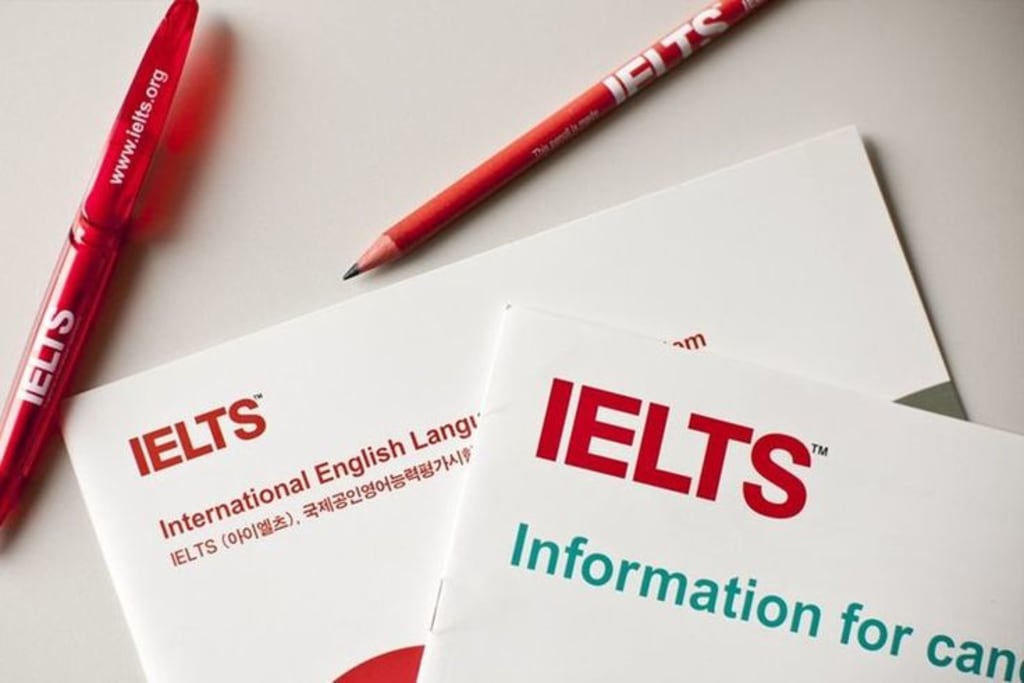
The IELTS Speaking test is designed to assess your spoken English skills, and it consists of three parts: an introduction, a long turn where you speak about a particular topic, and a two-way discussion. Understanding common topics can significantly boost your confidence and performance. Here’s a guide to some frequently encountered topics and effective preparation strategies.
1. Common IELTS Speaking Topics
a. Hobbies and Interests
You may be asked about your favorite hobbies, how you spend your free time, or activities you enjoy. Examples of questions include:
What hobbies do you have?
How often do you engage in these activities?
Preparation Tips:
Reflect on your hobbies and prepare to discuss why you enjoy them.
Practice describing your hobbies in detail, including how you got started and what you find fulfilling.
b. Education and Work
Questions in this category can cover your educational background, your current job, or future career plans. Sample questions include:
What subjects did you enjoy studying in school?
Can you describe your job?
Preparation Tips:
Think about your educational journey and what aspects you found interesting or challenging.
Be ready to discuss your job responsibilities and what you like about your work.
c. Travel and Tourism
This topic often comes up, asking about places you’ve visited or would like to visit. Questions might include:
Describe a memorable trip you took.
What are the benefits of traveling?
Preparation Tips:
Prepare stories about your travel experiences, focusing on what you learned or enjoyed.
Discuss the cultural significance of places you’ve visited and how they impacted you.
d. Family and Friends
You may be asked about your family dynamics, relationships, or the importance of friends in your life. Example questions include:
How many people are there in your family?
What qualities do you value in a friend?
Preparation Tips:
Reflect on your family structure and the role each member plays in your life.
Think about your friendships and what makes them meaningful.
e. Technology and the Internet
Questions about technology's role in daily life or its impact on society are common. Sample questions include:
How has technology changed the way we communicate?
What do you think about the influence of social media?
Preparation Tips:
Stay informed about current technology trends and their societal implications.
Prepare to discuss both positive and negative aspects of technology.
f. Environment and Nature
You might encounter questions related to environmental issues or your connection to nature. Examples include:
What do you do to protect the environment?
Describe a natural place you enjoy visiting.
Preparation Tips:
Think about your personal efforts to be eco-friendly and the importance of nature in your life.
Familiarize yourself with current environmental issues and possible solutions.
2. Effective Preparation Strategies
Practice Speaking Regularly
Engage in conversations with friends or language partners about the common topics listed above.
Use language exchange apps to practice speaking with native English speakers.
Record Yourself
Record your responses to sample questions and listen to them. This will help you identify areas for improvement, such as pronunciation, fluency, and coherence.
Use Sample Questions
Familiarize yourself with common IELTS Speaking questions by practicing with sample questions available online or in IELTS preparation books.
Learn to Expand Your Answers
Aim to give detailed responses instead of simple yes/no answers. Practice using examples and anecdotes to elaborate on your points.
Mock Speaking Tests
Simulate the test environment by doing mock speaking tests with a friend or teacher. This will help you become comfortable with the format and timing of the actual test.
Seek Feedback
Get feedback from teachers or peers on your speaking skills. Constructive criticism can guide you in making necessary adjustments.
Conclusion
Preparing for the IELTS Speaking test involves familiarizing yourself with common topics and practicing your speaking skills regularly. By reflecting on your experiences, using effective preparation strategies, and engaging in meaningful conversations, you can boost your confidence and perform well on test day. Remember, practice makes perfect, and being well-prepared can make all the difference in achieving your desired IELTS score.
About the Creator
Enjoyed the story? Support the Creator.
Subscribe for free to receive all their stories in your feed.
Comments
There are no comments for this story
Be the first to respond and start the conversation.