
Cluster Headaches: Understanding the Causes, Symptoms, and Relief
Learn about cluster headaches, their causes, symptoms, and effective relief options like oxygen therapy, medications, and lifestyle adjustments. Manage the pain and regain control of your life.

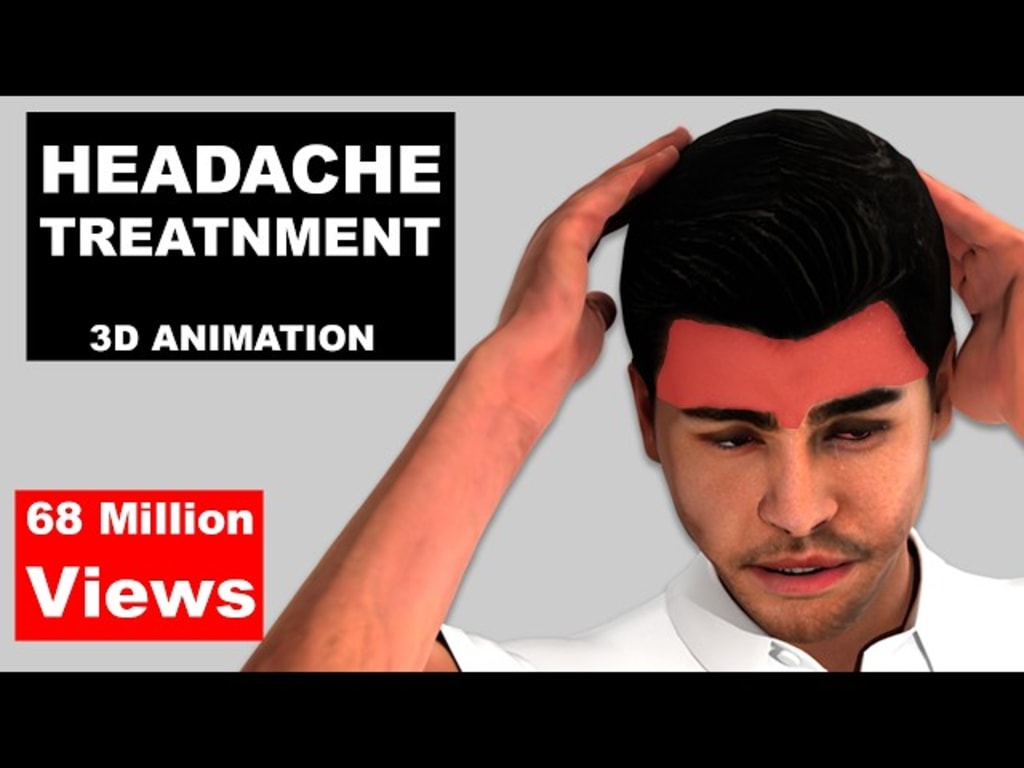
Cluster headaches are more than just a typical headache—they’re one of the most painful experiences a person can endure. Often described as a sharp, stabbing pain concentrated around one eye, these headaches come in “clusters,” striking repeatedly over a period of weeks or months. While they aren’t life-threatening, the intensity of the pain can disrupt your life.
If you or someone you know is dealing with cluster headaches, understanding the causes, symptoms, and treatment options can help regain control and find relief.
What Are Cluster Headaches?
Cluster headaches belong to a group of primary headaches, meaning they’re not caused by another underlying condition. They occur in cycles or “clusters,” with individuals experiencing one to eight attacks daily during an active period. These cycles can last weeks or months, followed by a remission phase with no headaches for months or even years.
Unlike migraines, cluster headaches are shorter but much more intense. They primarily affect one side of the head, often focusing around or behind the eye. Due to their severity, they’re sometimes referred to as “suicide headaches.”
Common Causes and Triggers
The exact cause of cluster headaches remains unclear, but they are believed to be linked to the hypothalamus, the part of the brain that controls your internal clock. This connection explains why cluster headaches often occur at the same time each day or year.
Known Triggers Include:
Alcohol: A common trigger during active cluster periods.
Strong smells: Perfumes, paint fumes, and smoke can provoke an attack.
Stress: Emotional or physical stress can contribute to their onset.
Sleep disruptions: Irregular sleep patterns or sleep apnea may play a role.
Seasonal changes: Cluster headaches are more common during spring and fall, possibly due to changes in daylight.
Identifying and avoiding triggers can help reduce the frequency of attacks during a cluster period.
Recognizing the Symptoms
Cluster headaches have distinct symptoms that differentiate them from other headache types.
Key Symptoms Include:
Excruciating pain concentrated around or behind one eye, lasting 15 minutes to three hours.
Red, watery eyes or nasal congestion on the affected side.
Drooping eyelid or swelling near the eye.
Restlessness: Many sufferers feel agitated and find it impossible to sit still.
Sensitivity to light and sound, though this is less common than with migraines.
Cluster headaches can occur during the day or wake you from sleep, often described as feeling like an “alarm clock headache.”
Effective Relief Options
While there’s no cure for cluster headaches, treatments can reduce their frequency and severity. Here are the most effective options:
1. Oxygen Therapy
Inhaling pure oxygen through a mask can stop a cluster headache within minutes. This is one of the safest and most effective treatments available and is often recommended as a first-line defense.
2. Medications
Triptans: Often used for migraines, triptans like sumatriptan can help relieve cluster headache attacks.
Preventive medications: Verapamil, a blood pressure medication, is frequently prescribed to reduce the number of attacks. Corticosteroids may also be used for short-term prevention during an active cycle.
3. Lifestyle Adjustments
Maintaining a consistent sleep schedule and avoiding known triggers like alcohol can help minimize attacks. Stress management techniques, such as meditation or yoga, may also prove beneficial.
4. Advanced Treatments
For severe cases, procedures like occipital nerve blocks or deep brain stimulation targeting the hypothalamus may provide relief. These options are typically reserved for individuals who don’t respond to traditional treatments.
5. Alternative Therapies
Some people find relief through acupuncture, biofeedback, or herbal supplements, although these should complement, not replace, proven medical treatments. Always consult your doctor before trying alternative remedies.
When to Seek Medical Help
If you suspect you’re experiencing cluster headaches, consult a healthcare professional as soon as possible. They can rule out other conditions and recommend a treatment plan tailored to your needs. If the headaches are accompanied by other symptoms like confusion, fever, or changes in vision, seek immediate medical attention.
Living with Cluster Headaches
Living with cluster headaches can be challenging, but you don’t have to do it alone. Support groups and online communities can offer comfort and practical advice. Understanding your condition and working closely with a healthcare provider can make a significant difference in managing the pain.
Final Thoughts
Cluster headaches are painful and disruptive, but they can be managed effectively with the right treatment plan. By understanding the causes, recognizing triggers, and exploring relief options, you can reduce their impact on your life. Remember, you’re not alone in this journey, and help is always available.
About the Creator
rmhanimations
We create medical animations, focusing on both short and long format videos with clear explanations of various medical conditions. Perfect for both healthcare professionals and curious minds seeking simplified, accurate information.
Enjoyed the story? Support the Creator.
Subscribe for free to receive all their stories in your feed.
Comments
There are no comments for this story
Be the first to respond and start the conversation.