
Citron: Grease Trap Cleaning Company Abu Dhabi
grease trap cleaning
More information: Grease trap cleaning
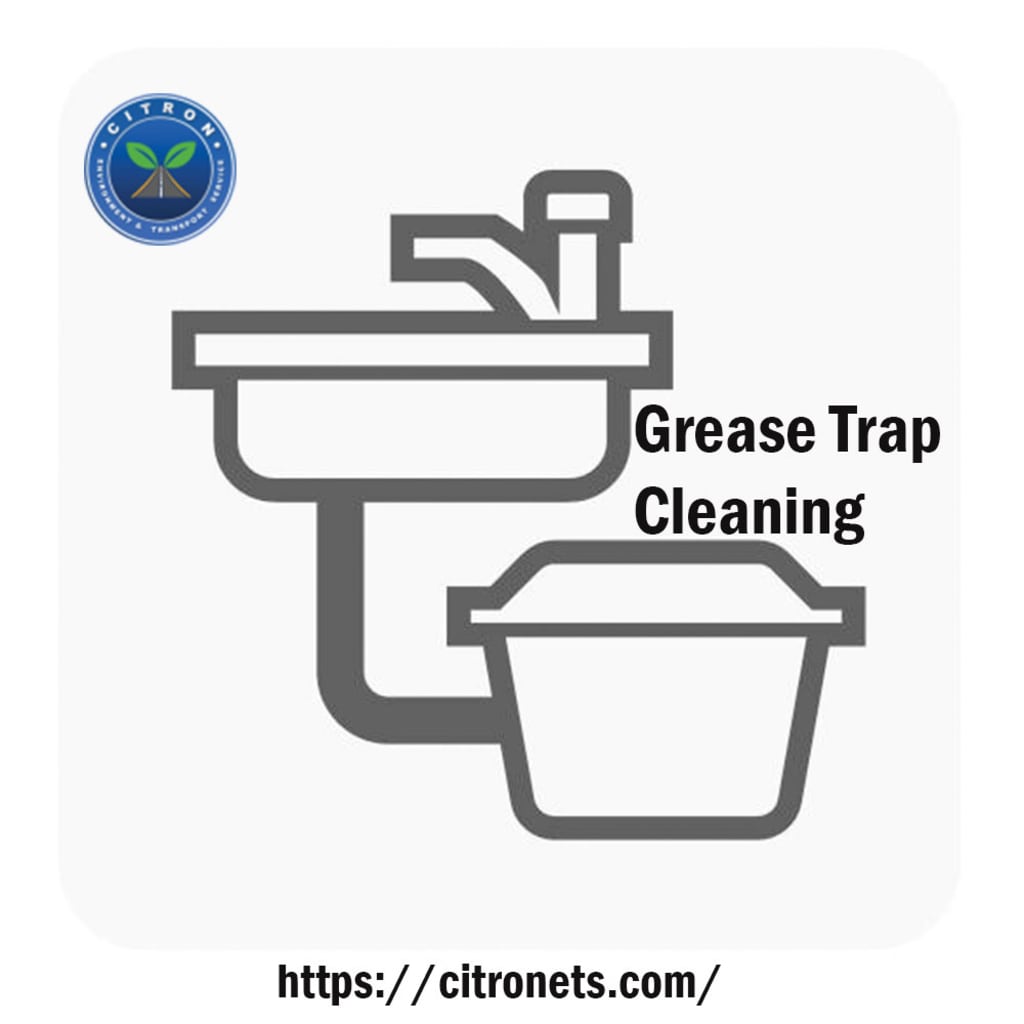
A grease trap, also known as a grease interceptor or grease separator, is a plumbing device designed to trap and separate fats, oils, and grease (FOG) from wastewater generated in commercial kitchens and food service establishments.
The purpose of a grease trap is to prevent FOG from entering the sewer system where it can cause blockages, backups, and environmental pollution. Grease traps are typically installed in the drainage system, often beneath sinks or in-ground, and they work by utilizing the principle of gravity and buoyancy.
Here's how a grease trap works:
Wastewater enters the grease trap from sinks, dishwashers, and other fixtures connected to it. As the wastewater flows through the trap, it slows down, allowing time for the FOG to separate and rise to the top.
The lighter FOG floats to the surface of the trap, forming a layer. Solid particles, such as food debris, sink to the bottom of the trap.
The middle layer of the trap, known as the "clear zone," contains relatively clear water that is free from significant amounts of FOG and solids.
The trapped FOG is held within the grease trap, preventing it from entering the sewer system. This allows the remaining wastewater, which is relatively cleaner, to continue flowing towards the sewer.
To maintain the effectiveness of a grease trap, regular cleaning and maintenance are essential. Grease traps need to be emptied and cleaned by professional grease trap service providers on a scheduled basis to remove the accumulated grease and solids, ensuring proper functionality and preventing drainage issues.
Overall, a grease trap acts as a vital component in managing FOG in commercial kitchens, promoting proper wastewater management, and preventing problems associated with FOG buildup in the sewer system.
importance of grease trap in kitchen ?
Grease traps play a crucial role in maintaining a clean and efficient kitchen environment. Here are some key reasons why grease traps are important in commercial kitchens:
Prevents Drainage Issues: Grease traps are specifically designed to capture fats, oils, and grease (FOG) from wastewater generated in the kitchen. By trapping FOG before it enters the drainage system, grease traps help prevent clogs and blockages in pipes, reducing the risk of backups, slow drains, and costly plumbing repairs.
Protects the Environment: FOG can have a detrimental impact on the environment if it enters the sewer system untreated. It can cause sewer line blockages and contribute to water pollution. Grease traps act as a barrier, preventing FOG from reaching the sewer system and minimizing the environmental impact of FOG discharge.
Ensures Compliance with Regulations: Many jurisdictions have regulations in place that require the installation and regular maintenance of grease traps in commercial kitchens. Compliance with these regulations is necessary to avoid fines, penalties, or even closure of the establishment. By having a properly functioning grease trap, businesses can demonstrate their commitment to environmental protection and adhere to legal requirements.
Promotes Hygiene and Safety: FOG buildup in drainage systems can create an unhygienic and unsafe working environment. It can lead to foul odors, attract pests, and provide a breeding ground for bacteria and other pathogens. Grease traps help maintain cleanliness, prevent odors, and contribute to a healthier and safer kitchen environment for employees and customers.
Extends the Lifespan of Plumbing Infrastructure: Regular use of a grease trap helps protect the plumbing infrastructure in a kitchen. By preventing FOG from accumulating in pipes, grease traps minimize the risk of pipe corrosion, blockages, and costly repairs or replacements. This extends the lifespan of the plumbing system and reduces maintenance expenses.
Overall, grease traps are vital for efficient and responsible wastewater management in commercial kitchens. They help prevent drainage issues, protect the environment, ensure compliance with regulations, maintain hygiene and safety, and preserve the longevity of plumbing infrastructure. Proper maintenance and cleaning of grease traps are essential to maximize their effectiveness and reap these benefits.
About the Creator
Enjoyed the story? Support the Creator.
Subscribe for free to receive all their stories in your feed.
Comments
There are no comments for this story
Be the first to respond and start the conversation.