
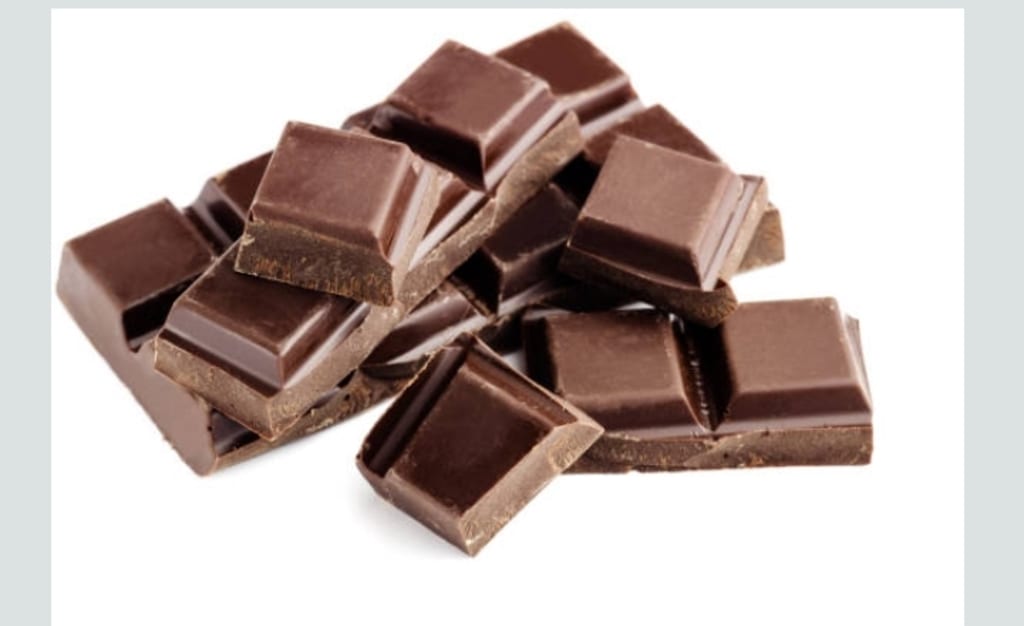
Let's face it, chocolate is a lie I mean not everything we call chocolate is real chocolate. There are regulations that can help understand what you're eating so it can either be chocolate or compound chocolate which tastes great too. By the way, the main thing about real chocolate is that it's made of cocoa mass and cocoa butter. If the packaging reads cocoa powder and vegetable fat sorry it's only compound chocolate. The real one should contain at least 35% cocoa solid and about 18% cocoa butter so if you have these two variations and try them at the same time, you'll probably find the compound one a bit tastier as it has various flavorings and no wonder compound chocolate seems to be way more popular than the real type. First off, it's cheaper also it's easier to store as it tends not to melt at room temperature. Oh right so what about white chocolate, is it real or compound? Actually it's neither; it's not even related to chocolate while compound chocolate has cocoa particles, white chocolate has zero. Yep, it has cocoa butter but it's a bit different. The cocoa butter doesn't give it its signature flavor; also real chocolate contains certain compounds that trigger our brains making us happy. As you might have guessed, white chocolate can't do the same. Any Nutella fans in here? We all know it's hazelnut cocoa spread but have you ever wondered how many nuts each jar contains the company once provided official info on it stating that each jar contains about 50 hazelnuts that that may seem a lot but it only makes up about 13 of the whole content sugar and palm oil take first place making up 50 of all the content of Nutella fun fact here the original recipe was way more nutty Nutella was inspired by yandu Young the traditional Piedmont recipe it was changed several times over the last couple of centuries at the end of 18th century it was a blend of chocolate with 30 percent hazelnut paste ah and it had several interpretations this early Nutella prototype could be used as a filling for chocolates or even eaten in the form of bars the mid-20th century interpretation had a whopping 71.5 percent of hazelnuts and only about 19.5 percent of chocolate now moving on to another global commodity I'm talking about coffee first things first let's debunk one myth there's no 100 decaffeinated coffee any coffee that has at least 97 caffeine removed is already considered to be decaf by the way there are a couple of different ways of removing caffeine the first method involves a special solvent the coffee beans are washed in it and once the caffeine is removed the solvent gets washed off The second method called The Swiss water process involves carbon dioxide or a charcoal filter now here's a fun fact your morning coffee is stewed fruit coffee beans are a berry pit so it's basically a drink made of berries now for a bit of heartbreaking math imagine that you have a bag of nachos or chips and it costs you ten dollars do you know how much you've paid for your snack only about 1.40 where are the eight dollars and sixty cents then and paid for the air in the back research revealed that there's a brand selling mostly air and very few chips don't worry not all the bags are that air packed but still there's always way more air than snacks. Instant noodles may not have any hidden lies, but they do have a pretty cool story. Let's kick off with myth debunking; they say instant noodles were invented in Japan, but it's not so. The modern variation is for sure Japanese, but the very first ancient prototype was invented in China. Those were noodles that were fried and then served in soup; there's a legend telling that a chef put the already cooked noodles to boil again to rescue them, and took them out of the pan and fried them in hot oil. The modern Japanese version was invented to prolong its food shelf life after several unsuccessful attempts. Momofukuando the inventor came up with a method of preserving noodles; they were processed in various ways, including steaming, dehydrating, frying in hot oil, and seasoning. Instant noodles were considered to be a luxurious product since they cost way more than the fresh noodles everyone was used to back then. We all love lemonade, and there are many variations of this drink today: pink lemonade has that nice color because of grape juice or added colorants, respectively.
About the Creator
Enjoyed the story? Support the Creator.
Subscribe for free to receive all their stories in your feed.
Comments
There are no comments for this story
Be the first to respond and start the conversation.