
Causes Of Hair Fall || How To Stop Hair Fall || Desi OR Scientific Methods To Stop Hair Fall
Hair Fall Treatment Methods
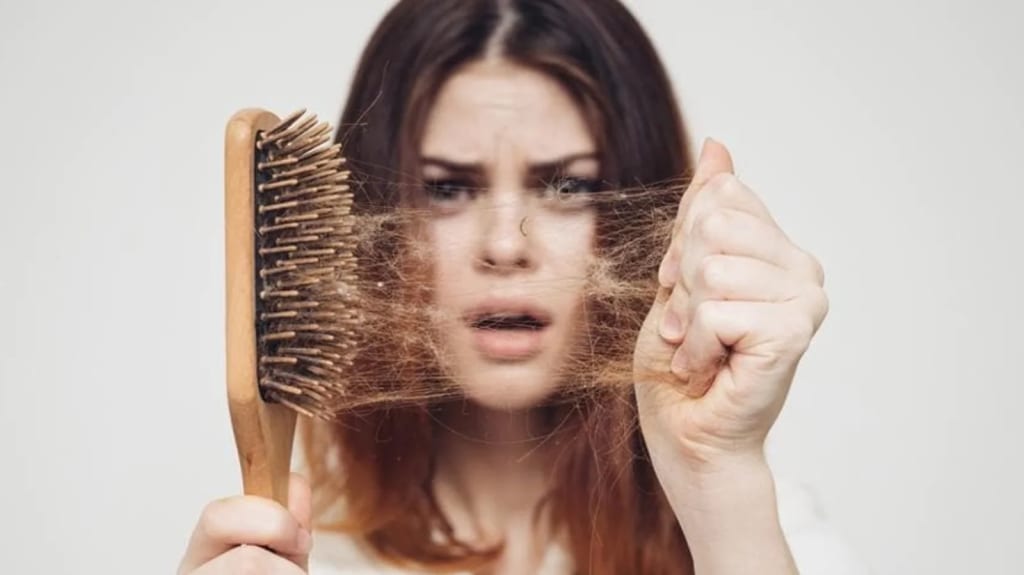
Hair loss, also known as alopecia, is a common condition that affects millions of people worldwide. Hair loss can occur in both men and women and can have a significant impact on a person's self-esteem and quality of life.
Causes of Hair Loss:
Genetics: The most common cause of hair loss is genetics. Male and female pattern baldness are hereditary conditions that can cause hair loss over time.
Hormonal Changes: Hormonal changes, such as those that occur during menopause or pregnancy, can also cause hair loss.
Medical Conditions: Certain medical conditions, such as thyroid disorders, autoimmune diseases, and scalp infections, can also cause hair loss.
Medications: Some medications, such as chemotherapy drugs, can cause temporary hair loss.
Nutritional Deficiencies: Nutritional deficiencies, such as iron or protein deficiency, can also cause hair loss.
Symptoms of Hair Loss:
Thinning Hair: One of the most common symptoms of hair loss is thinning hair, particularly on the top of the head.
Bald Spots: Bald spots or patches of hair loss can also occur on the scalp.
Excessive Shedding: Excessive shedding of hair can also be a symptom of hair loss.
Here are some tips to help prevent hair fall:
Maintain a healthy diet: Eating a balanced diet that includes protein, vitamins, and minerals is essential for healthy hair growth. Foods like eggs, fish, nuts, and leafy green vegetables can help keep your hair healthy and strong.
Keep your scalp clean: Regularly washing your hair and scalp with a mild shampoo can help keep your scalp clean and reduce the risk of infections that can lead to hair loss.
Avoid harsh styling products and treatments: Overuse of styling products like gels, mousses, and hairsprays can damage your hair and lead to hair fall. Similarly, treatments like coloring, straightening, and perming can damage your hair and weaken it.
Massage your scalp: Massaging your scalp regularly can help improve blood circulation and promote hair growth. You can use warm oil to massage your scalp or simply use your fingers to gently rub your scalp in circular motions.
Avoid tight hairstyles: Pulling your hair tightly into a ponytail or braid can cause damage to your hair and lead to hair fall. Avoid tight hairstyles and opt for looser styles that don't put too much pressure on your hair.
Manage stress: Stress can affect your hair growth cycle, leading to hair loss. Finding ways to manage your stress, such as through meditation, yoga, or exercise, can help prevent hair fall.
Consider supplements: Some supplements, like biotin and iron, can help promote healthy hair growth. Talk to your doctor before starting any supplements to ensure they are safe for you.
Desi Methods To Stop Hair Fall or Hair Loss:
Onion Juice: Applying onion juice on your scalp can help promote hair growth and prevent hair fall. Onion juice contains sulfur which helps in the production of collagen that in turn helps hair growth. You can extract onion juice by grinding onions and then straining the juice. Apply the juice to your scalp for 30 minutes and then rinse it off with a mild shampoo. You can use this remedy twice a week.
Aloe Vera: Aloe Vera contains enzymes that can help prevent hair fall and promote hair growth. You can extract the gel from an Aloe Vera leaf and apply it to your scalp. Leave it on for 30 minutes and then rinse it off with water. You can do this twice a week.
Coconut Oil: Massaging your scalp with coconut oil can help improve blood circulation and strengthen hair follicles. Heat up some coconut oil and massage it into your scalp for 10-15 minutes. Leave it on for an hour or overnight and then rinse it off with shampoo. You can do this once or twice a week.
Green Tea: Green tea is rich in antioxidants that can help prevent hair fall and promote hair growth. Brew some green tea and let it cool. Apply it to your scalp and leave it on for an hour. Rinse it off with water. You can do this once a week.
Egg Mask: Eggs are rich in protein and biotin which can help strengthen hair follicles and prevent hair fall. Beat an egg and apply it to your hair and scalp. Leave it on for 30 minutes and then rinse it off with a mild shampoo. You can do this once a week.
Scientific Methods To Stop Hair Fall or Hair Loss:
Minoxidil: Minoxidil is a topical medication that is used to treat hair loss. It works by increasing blood flow to the hair follicles and promoting hair growth. Minoxidil is available over-the-counter in various strengths, and it is applied directly to the scalp.
Finasteride: Finasteride is an oral medication that is used to treat hair loss in men. It works by blocking the production of a hormone called DHT, which is responsible for hair loss. Finasteride is available only by prescription and is not recommended for use by women.
Platelet-rich plasma (PRP) therapy: PRP therapy is a non-surgical treatment that uses the patient's own blood platelets to promote hair growth. The patient's blood is drawn, processed, and then injected into the scalp, where it stimulates hair growth by increasing blood flow to the hair follicles.
Hair transplant surgery: Hair transplant surgery involves moving hair follicles from one part of the scalp (usually the back of the head) to another part of the scalp that is balding. This procedure is typically performed by a dermatologist or plastic surgeon and can take several hours to complete.
Scalp micropigmentation: Scalp micropigmentation is a non-surgical treatment that involves tattooing the scalp to create the appearance of hair follicles. This procedure can be used to create the illusion of a full head of hair or to camouflage bald patches.
It is important to note that these scientific methods should only be considered after consulting with a doctor or dermatologist, and they may not be suitable for everyone.
Important Note:
If you are experiencing hair loss, you should see a doctor or dermatologist for a proper diagnosis. The doctor may perform a physical exam, blood tests, or a scalp biopsy to determine the underlying cause of your hair loss.
About the Creator
Enjoyed the story? Support the Creator.
Subscribe for free to receive all their stories in your feed.
Comments
There are no comments for this story
Be the first to respond and start the conversation.