
Carrots Take the Lead: A Crunchy Discovery in Cancer Prevention
How Newcastle University's Research Might Shake Up the Supplement Industry

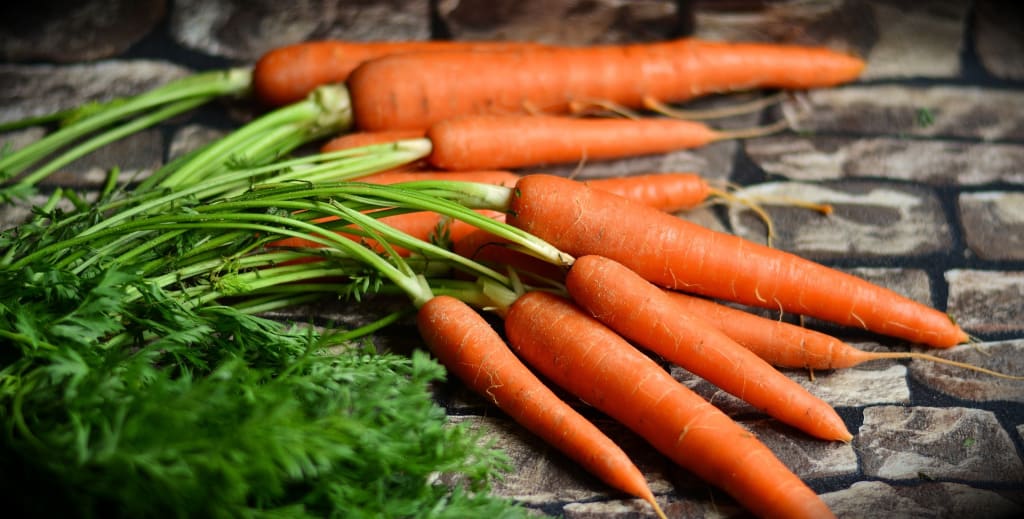
In a surprising turn of events, supplement producers may find themselves on the losing end as groundbreaking research sheds light on the formidable benefits of carrots. Senior lecturer Kirsten Brandt from Newcastle University's human nutrition and exercise research centre recently shared insights into a two-decade-long study that could potentially reduce the risk of cancer by almost a quarter.
Brandt dismisses the effectiveness of supplements, stating, "The only ones who are going to lose out are those who are producing supplements – which probably don't work anyway." Her optimism lies in the hope that this research will encourage more people to embrace the humble carrot, benefiting both consumers and carrot growers.
The journey to this discovery began when Brandt collaborated with colleague Lars Porskaer Christensen, who was researching the ginseng herb used in Chinese medicine. Charles Ojobor, Brandt's then PhD student, led the study, which focused on polyacetylenes found in carrots. After extensive trials on rats and mice, the researchers systematically reviewed nearly 200 studies involving 4.7 million participants, ultimately revealing the potential cancer-fighting properties of carrots.
Contrary to earlier beliefs that beta-carotene was the key player in cancer prevention, the research pointed to a different set of compounds found in carrots, specifically polyacetylenes. These colorless compounds emerged as the unsung heroes, demonstrating a significant impact on cancer risk.
The Covid-19 pandemic inadvertently provided an advantage to the study, allowing researchers more time for in-depth analysis. The results, now published in Critical Reviews in Food Science and Nutrition, unveil that consuming five servings of carrots per week correlates with a 20% reduction in the risk of developing all types of cancer.
Ojobor emphasized the wealth of existing data on carrots, stating, "Many researchers have noticed the benefits of carrots previously, and this is a reason why there was so much data for us to analyze." The study delved into various cancer types, revealing a consistent trend – a reduced risk for those who incorporate carrots into their diet.
The unique phytochemicals and polyacetylenes in carrots, previously underestimated for their cancer-fighting potential, emerged as the stars of the show. The study's findings highlight the impact of these colorless compounds, which play a pivotal role in reducing cancer incidence.
In a world where supplements flood the market, the carrot's rise to prominence challenges the conventional wisdom surrounding health supplements. The simplicity and accessibility of carrots make them an appealing option for those seeking a natural way to reduce their cancer risk. As consumers become increasingly health-conscious, this research could prompt a shift towards incorporating more carrots into daily diets.
The simplicity of this crunchy vegetable may indeed be its strength, offering a natural solution to a health concern that has long perplexed researchers. The potential reduction in cancer risk associated with regular carrot consumption is a beacon of hope for those looking to make positive lifestyle changes.
But the benefits don't stop there. Carrots are not only a rich source of polyacetylenes but also pack a punch with essential nutrients like vitamins A and C. These nutrients contribute to overall immune system health and promote healthy skin.
In conclusion, the Newcastle University research unveils a compelling narrative – a tale of carrots challenging the status quo and potentially reshaping the health and wellness landscape. As this information spreads, supplement producers may need to rethink their strategies, while individuals are presented with a simple, accessible choice to enhance their well-being – one crunchy carrot at a time. So, why not add a vibrant burst of orange to your plate and savor the potential health benefits this unassuming vegetable has to offer?
About the Creator
Enjoyed the story? Support the Creator.
Subscribe for free to receive all their stories in your feed.
Comments
There are no comments for this story
Be the first to respond and start the conversation.