


Carpentry is a fulfilling and practical hobby or profession, but it also involves working with sharp tools, heavy materials, and potentially hazardous equipment. Safety is paramount. This guide covers the essential safety practices every carpenter should follow to ensure a safe working environment.
🔴 Why Carpenter Safety is Important
Understanding why safety is crucial helps in prioritizing it:
🟢 Prevent Injuries - Avoid cuts, bruises, and serious injuries like amputations by following safety protocols.
🟢 Enhance Productivity - A safe workspace reduces the risk of accidents, ensuring smooth workflow.
🟢 Promote Long-Term Health - Regular use of safety gear protects against long-term health issues like hearing loss or respiratory problems.
🟢 Legal Compliance - Adhering to safety standards is often a legal requirement in professional settings.
🔴 Personal Protective Equipment (PPE)
🔵 Basic PPE for Carpenters
☑️ Safety Glasses - Protect your eyes from flying debris and sawdust.
☑️ Ear Protection - Use earplugs or earmuffs to prevent hearing damage from loud machinery.
☑️ Respiratory Protection - Wear masks or respirators to avoid inhaling sawdust and chemical fumes.
☑️ Gloves - Protect your hands from splinters and sharp tools.
☑️ Steel-Toe Boots - Shield your feet from falling objects.
☑️ Hard Hat - Essential on construction sites to protect from head injuries.
🔵 Using PPE Correctly
- Always check PPE for damage before using.
- Ensure a proper fit for effective protection.
- Clean and store PPE properly after each use.
🔴 Tool Safety
🔵 General Tool Safety Tips
☑️ Read Instructions
Always read and follow the manufacturer’s instructions for every tool.
☑️ Inspect Tools
Check tools for damage before use. Do not use damaged tools.
☑️ Store Tools Properly
Keep tools in their designated places to prevent accidents.
☑️ Keep Blades Sharp
Sharp blades make cleaner cuts and are safer to use.
🔵 Power Tool Safety
☑️ Use Guards
Never remove safety guards from power tools.
☑️ Unplug When Not in Use
Always unplug power tools when changing blades or bits.
☑️ Avoid Loose Clothing
Wear fitted clothing to prevent getting caught in moving parts.
☑️ Secure Your Work
Use clamps or vices to hold your workpiece steady.
🔵 Hand Tool Safety
☑️ Use the Right Tool for the Job
Do not use tools for unintended purposes.
☑️ Maintain Tools
Keep hand tools clean and well-maintained.
☑️ Pay Attention
Focus on your task to avoid accidents with hand tools.
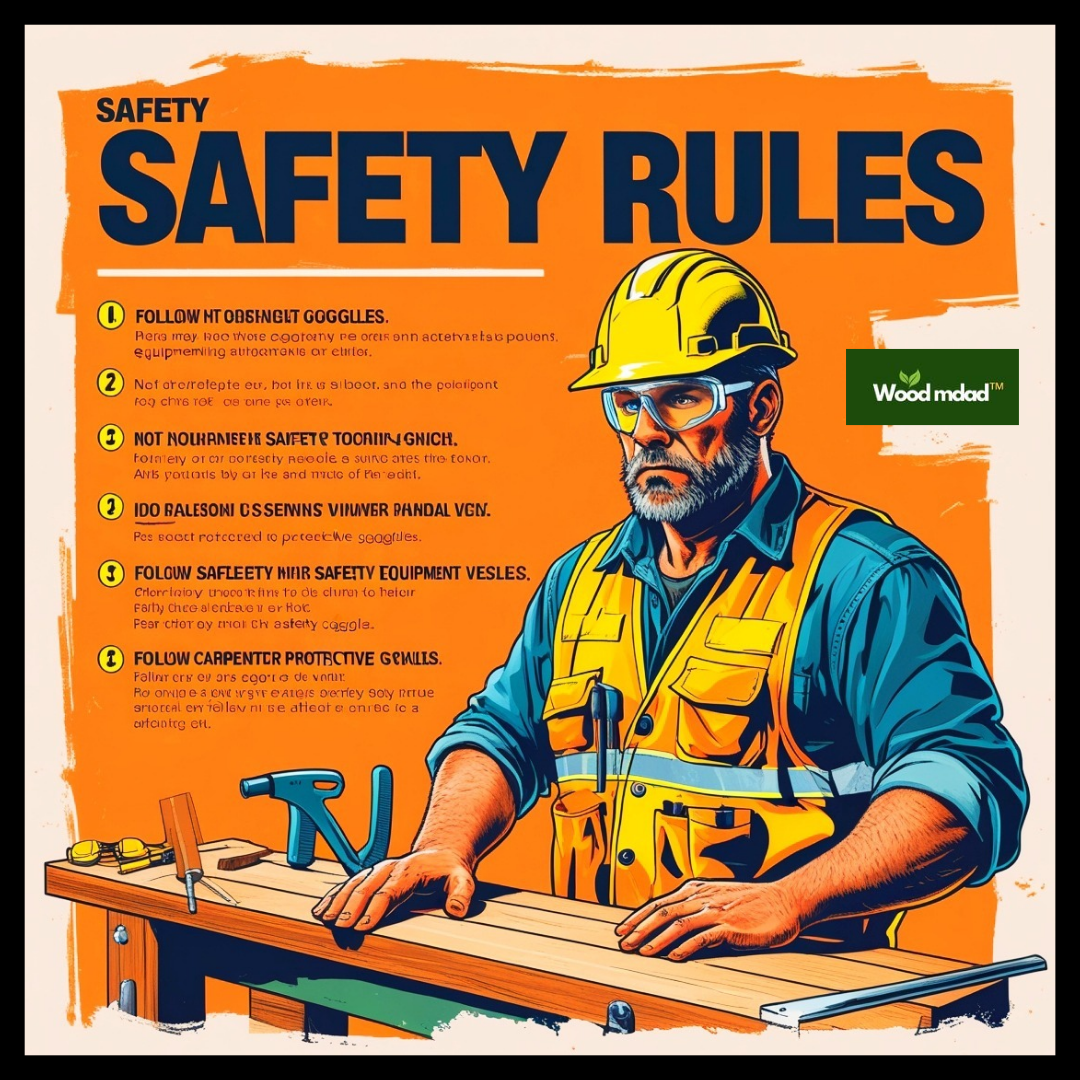
🔴 Safe Working Environment
🔵 Organize Your Workspace
☑️ Keep Clean
A clean workspace reduces the risk of accidents.
☑️ Ensure Good Lighting
Proper lighting helps you see clearly and reduce mistakes.
☑️ Ventilation
Ensure good ventilation to avoid inhaling harmful dust and fumes.
☑️ Keep Pathways Clear
Avoid tripping hazards by keeping walkways clear of tools and materials.
🔵 Set Up Your Workbench
☑️ Stable Surface - Ensure your workbench is stable and secure.
☑️ Height - Work at a height that is comfortable to avoid strain.
🔵 Electrical Safety
☑️ Check Cords and Plugs - Inspect electrical cords for damage. Use tools with proper grounding.
☑️ Avoid Overloading Circuits - Do not overload power outlets with too many tools.
☑️ Dry Environment - Keep electrical tools away from water to prevent shocks.
🔵 Fire Safety
☑️ Keep Flammable Materials Away
Store flammable materials safely away from your workspace.
☑️ Have an Extinguisher
Keep a fire extinguisher within reach.
☑️ Proper Disposal
Dispose of waste materials properly to avoid fire hazards.
🔴 Safety Practices During Operations
🔵 Measuring and Cutting
🟢 Measure Twice, Cut Once - Accurate measurements prevent mistakes and accidents.
🟢 Support Wood Properly - Ensure wood is properly supported to prevent kickbacks.
🟢 Use Push Sticks - When using table saws, use push sticks to keep hands away from blades.
🔵 Joining and Nailing
🟢 Pre-Drill Holes - Pre-drill holes to avoid splitting the wood.
🟢 Use Clamps - Secure pieces with clamps to avoid movement while nailing or screwing.
🟢 Watch Your Fingers - Keep fingers away from the hammer strike zone.
🔵 Finishing
🟢 Ventilate - Ensure proper ventilation when using paints or stains.
🟢 Wear Gloves - Protect your skin from chemicals.
🟢 Dispose Materials Safely - Properly dispose of rags soaked in paint or solvents to prevent spontaneous combustion.
-

🔴 Emergency Preparedness
🔵 First Aid Kit
☑️ Keep Handy
Have a well-stocked first aid kit accessible in your workspace.
☑️ Know How to Use It
Familiarize yourself with basic first aid procedures.
🔵 Emergency Contacts
☑️ Post Important Numbers
Keep emergency contact numbers visible in your workshop.
☑️ Plan for an Emergency
Have a plan in place for different types of emergencies.
🔵 Fire Safety Drills
☑️ Conduct Regular Drills
Practice fire drills to ensure everyone knows what to do in case of a fire.
Read more ⬇️
Carpenter Safety-wood mdad44™️
https://woodmdad44.blogspot.com/2024/12/carpenter-safety-wood-mdad44woodmdad44.html

1. Carpenter Safety Tips
2. Woodworking Safety Gear
3. Essential Tools for Carpenters
4. How to Stay Safe in Carpentry
5. Carpentry Safety Best Practices
6. Protective Equipment for Woodworkers
7. Safety Guidelines for Carpenters
8. Avoiding Injuries in Woodworking
9. Carpentry Worksite Safety
10. Safe Woodworking Techniques
Wood mdad44 ™

About the Creator
Wood Mdad44
Woodworking is about the life of the trees; it’s about creating something out of living matter that leaves a lasting impression
Enjoyed the story? Support the Creator.
Subscribe for free to receive all their stories in your feed.
Comments
There are no comments for this story
Be the first to respond and start the conversation.