
Cancer-fighting herbs
Review the effectiveness of cancer-fighting herbs

Cancer-Fighting Herbs and Their Dosage Prescription
Cancer remains one of the most challenging diseases to manage, leading many individuals to explore complementary therapies alongside conventional treatments. Herbal medicine, with its rich history in traditional healing systems, offers promising adjunctive support in cancer management. Below is a comprehensive overview of notable cancer-fighting herbs and their recommended dosages based on current research.
1. Turmeric (Curcuma longa)
Turmeric contains curcumin, a potent antioxidant and anti-inflammatory compound known for its anticancer properties. Studies have demonstrated curcumin's ability to inhibit tumor growth and prevent cancer cell proliferation.

Dosage:
- Standardized curcumin extract: 500-2,000 mg per day, divided into two doses.
- Best taken with black pepper (piperine) to enhance absorption.
2. Green Tea (Camellia sinensis)
Green tea is rich in catechins, particularly epigallocatechin gallate (EGCG), which exhibits anticancer effects by inducing apoptosis and inhibiting tumor cell growth.

Dosage:
- Green tea extract: 250-500 mg EGCG per day.
- Alternatively, 3-5 cups of freshly brewed green tea daily.
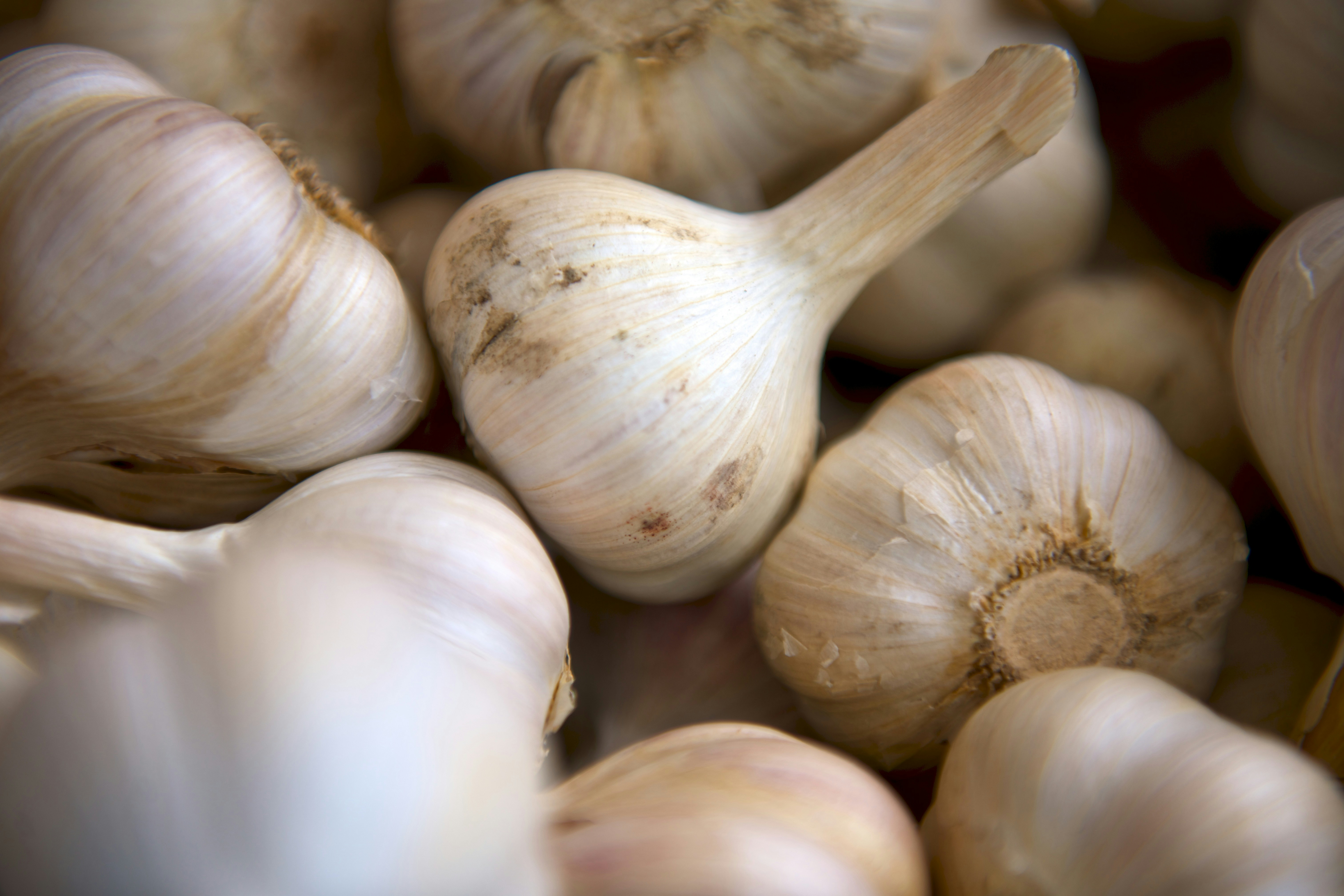
3. Garlic (Allium sativum)
Garlic contains organosulfur compounds like allicin, which have been shown to reduce the risk of several cancers by enhancing detoxification enzymes and inhibiting carcinogen activation.
Dosage:
- Raw garlic: 1-2 cloves daily.
- Aged garlic extract: 600-1,200 mg daily.
4. Ginger (Zingiber officinale)
Ginger possesses gingerol and shogaol compounds known for their anti-inflammatory and antioxidant properties, contributing to its potential anticancer effects.

Dosage:
- Fresh ginger root: 2-5 grams daily.
- Ginger extract: 250-1,000 mg, divided into two doses.
5. Milk Thistle (Silybum marianum)
Milk thistle contains silymarin, which supports liver detoxification and offers protective effects against chemotherapy-induced toxicity.

Dosage:
- Standardized silymarin extract: 200-400 mg, taken two to three times daily.
6. Astragalus (Astragalus membranaceus)
Astragalus is an adaptogenic herb that boosts immune function and may improve survival rates in cancer patients by enhancing white blood cell activity.

Dosage:
- Dried root: 9-30 grams daily in decoction.
- Extract: 500-1,000 mg, two to three times daily.
7. Cat's Claw (Uncaria tomentosa)
Cat's Claw is known for its immune-modulating and anti-inflammatory effects, making it useful in supporting the body's defense mechanisms during cancer.

Dosage:
- Dried bark: 20-60 mg daily.
- Standardized extract: 250-1,000 mg daily.
8. Reishi Mushroom (Ganoderma lucidum)
Reishi mushrooms contain polysaccharides and triterpenes with immune-boosting and anticancer activities, particularly in enhancing natural killer (NK) cell function.

Dosage:
- Dried mushroom: 2-6 grams daily.
- Extract: 500-1,000 mg daily.
9. Graviola (Annona muricata)
Graviola, or soursop, contains annonaceous acetogenins, compounds studied for their ability to inhibit cancer cell growth and metastasis.

Dosage:
- Dried leaf tea: 1-2 grams brewed daily.
- Extract: 500-1,000 mg daily.
10. Ginseng (Panax ginseng)
Ginseng contains ginsenosides, which may inhibit tumor growth, induce apoptosis, and enhance immune function.

Dosage:
- Standardized extract: 200-400 mg daily.
- Root powder: 1-2 grams daily.
- Safety Considerations
While these herbs offer promising benefits, it is crucial to approach their use cautiously:
Consultation with Healthcare Providers: Always consult a healthcare professional before starting any herbal regimen, especially when undergoing cancer treatments.
Quality of Supplements: Choose high-quality, standardized extracts to ensure purity and potency.
Potential Interactions: Be mindful of interactions between herbs and conventional treatments, such as chemotherapy or radiation.
Conclusion
Herbal remedies like turmeric, green tea, garlic, and others provide complementary support in cancer care due to their anti-inflammatory, antioxidant, and immune-boosting properties. Adhering to proper dosages and consulting healthcare professionals ensures these herbs can be safely integrated into comprehensive cancer management plans.
About the Creator
Enjoyed the story? Support the Creator.
Subscribe for free to receive all their stories in your feed.
Comments
There are no comments for this story
Be the first to respond and start the conversation.