
Can Gum Health Be Restored: A Comprehensive Guide
In this comprehensive guide, we will explore the question: Can gum health be restored? We will delve into the causes of gum disease, the importance of early detection and treatment, and the various methods available for restoring gum health.

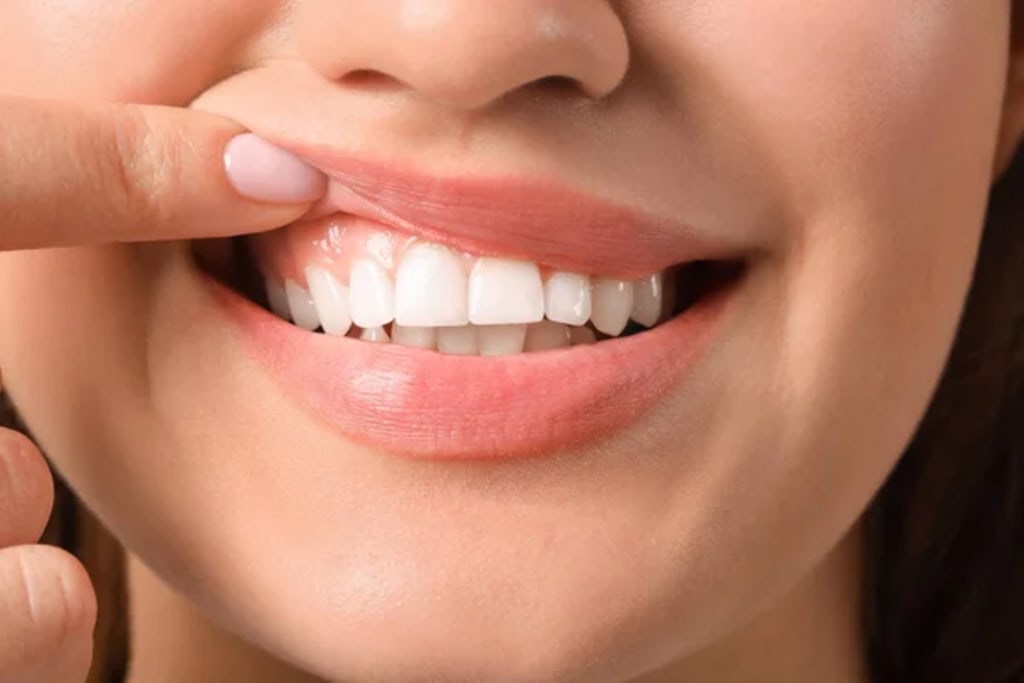
Understanding Gum Disease
Gum disease, also known as periodontal disease, is a condition that affects the gums and the underlying bone structure. It begins with the accumulation of oral bacteria on the surface of teeth. These bacteria feed on the carbohydrates present in leftover food particles and produce plaque acids as a byproduct. If not adequately removed through regular brushing and flossing, the plaque can harden into tartar within a few days.
The presence of tartar and bacteria irritates the gums, leading to gum health today! Inflammation, known as gingivitis. Symptoms of gingivitis include red and swollen gums that may bleed during brushing. If left untreated, gingivitis can progress to periodontal disease, causing further damage to the gum tissue and the jaw bone.
Click here to discover #1 way to improving your gum health today!
The Limitations of Gum Tissue Regeneration
One common question that arises when discussing gum disease is whether gum tissue can regenerate. Unfortunately, unlike skin cells, gum tissue does not have the ability to regenerate fully. This underscores the importance of early prevention and aggressive treatment of gum disease.
If you have receding gums that have pulled away from the tooth, it creates small spaces where bacteria can thrive. Without proper treatment, this condition can worsen and eventually lead to bone and tooth loss. Therefore, it is crucial to seek professional dental care for an accurate diagnosis and appropriate treatment.
Professional Treatment Options for Gum Disease
The first line of treatment for gum disease is often a professional cleaning procedure called scaling and root planing. This deep cleaning process involves the removal of plaque and tartar buildup using specialized tools or an ultrasonic device. By eliminating these bacteria, scaling and root planing can slow down or even prevent further gum recession. In some cases, dentists may also apply antibacterial gel under the gumline and prescribe a mouthwash to inhibit the growth of harmful bacteria.
When the tooth surfaces and roots have been thoroughly cleaned and treated, gum tissue can reattach, leading to improved gum health. However, it is important to note that these treatments are most effective when combined with good oral hygiene practices at home.
Click here to discover #1 way to improving your gum health today!
Maintaining Good Oral Hygiene
In addition to professional treatments, maintaining good oral hygiene is essential for promoting gum health. Here are some key practices to incorporate into your daily routine:
Thoroughly brush your teeth at least twice a day: Use a soft-bristled toothbrush and fluoride toothpaste. Brush in gentle, circular motions, ensuring that you reach all areas of your mouth.
Consider using an electric toothbrush: Electric toothbrushes are designed to provide more effective cleaning by oscillating or vibrating. They can help remove plaque and bacteria more efficiently than manual brushing.
Floss daily: Flossing helps remove food particles and plaque from between your teeth and along the gumline. Be sure to use proper flossing techniques to avoid injuring your gums.
Scrape your tongue when brushing: Bacteria can accumulate on the surface of the tongue, contributing to gum disease. Gently scrape your tongue with a tongue scraper or the back of your toothbrush to remove bacteria and freshen your breath.
Massage your gums: Massaging your gums increases blood flow and promotes gum health. Use your clean fingers to gently massage your gums in circular motions for a few minutes each day.
Use mouthwash and toothpaste with fluoride: Fluoride helps strengthen tooth enamel and prevent tooth decay. Incorporate fluoride mouthwash and toothpaste into your oral care routine to provide additional protection for your teeth and gums.
Try natural remedies: Some natural remedies, such as oil pulling and drinking green tea, have been suggested to promote gum health. While the evidence is limited, incorporating these practices may provide additional benefits.
By implementing these habits, you can significantly improve your gum health and reduce the risk of gum disease progression.
Advanced Treatment Options for Severe Gum Disease
In more severe cases of gum disease, additional treatments may be necessary to restore gum health and prevent further damage. These advanced treatment options include:
Flap surgery: Flap surgery involves lifting the gum tissue to access and remove plaque that cannot be reached through scaling and root planing. After removing the plaque, the gum tissue is secured back in place to prevent further gum recession.
Gum grafting: Gum grafting is a procedure that involves transplanting tissue from another part of the mouth to areas with deep gum recession. This technique helps restore lost gum tissue, protect the underlying bone, and improve the overall appearance of the gums.
Bonding: Bonding is a cosmetic procedure where tooth-colored resin is applied over the roots of the teeth. This helps cover exposed roots, reducing sensitivity and enhancing the aesthetics of the smile.
These advanced treatments aim to eradicate deep-seated bacteria, repair damaged gum tissue, and prevent further complications. They are typically performed by periodontists, who specialize in the treatment of gum disease.
Click here to discover #1 way to improving your gum health today!
The Importance of Maintaining Oral Health
Maintaining optimal oral health is crucial for overall well-being. Gum disease, if left untreated, can lead to significant oral health issues, including tooth loss and bone damage. Additionally, research has shown that gum disease is linked to various systemic health conditions, such as cardiovascular disease and diabetes. By prioritizing your gum health, you can protect not only your teeth but also your overall health.
Regular dental check-ups and cleanings are essential for early detection and treatment of gum disease. Your dentist can assess your gum health, provide professional cleanings, and offer guidance on maintaining optimal oral hygiene.
Conclusion
In conclusion, gum disease is a prevalent condition that requires diligent attention and care. While gum tissue does not regenerate fully, early detection and treatment can prevent further damage and restore gum health to some extent. By incorporating good oral hygiene practices, seeking professional dental care, and considering advanced treatment options when necessary, you can maintain healthy gums and improve your overall oral health. Remember, your smile is a reflection of your oral and systemic well-being, so prioritize gum health and continue on the path to optimal oral health!
Click here to discover #1 way to improving your gum health today!
About the Creator
Julian
Helping people improve health one article at a time.
Enjoyed the story? Support the Creator.
Subscribe for free to receive all their stories in your feed.
Comments
There are no comments for this story
Be the first to respond and start the conversation.