
Building Strong Foundations: SEL Lessons for Elementary Students
SEL Lessons for Elementary Students
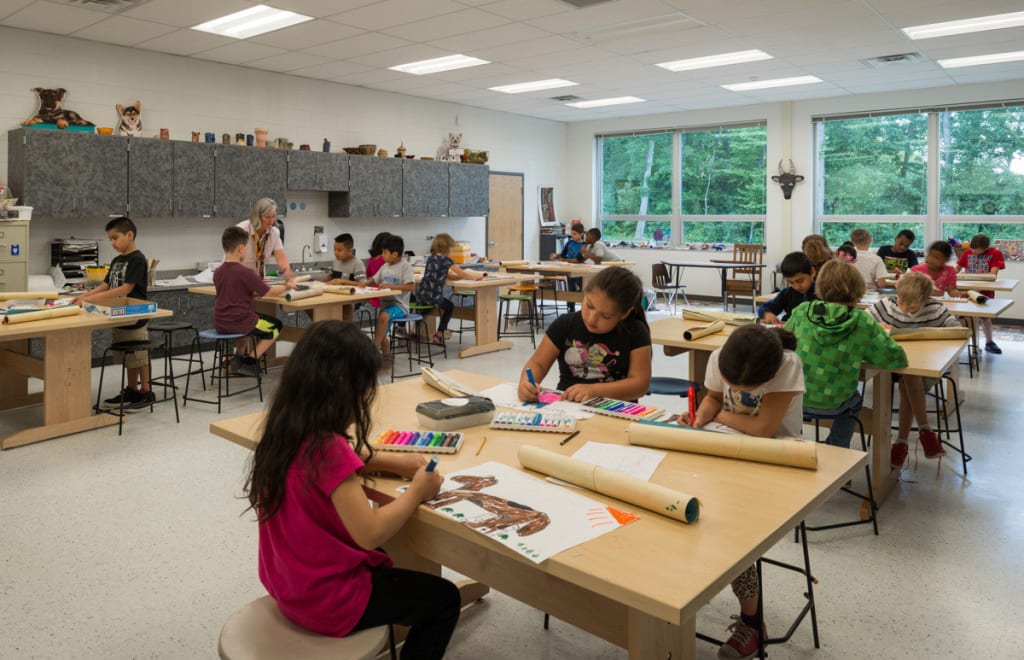
In today's education landscape, academic achievement alone isn't enough to prepare children for lifelong success. Social and Emotional Learning (SEL) has emerged as a vital component of holistic development, especially at the elementary level. SEL lessons for elementary students lay the groundwork for self-awareness, emotional regulation, social interaction, and responsible decision-making.
By integrating SEL into daily instruction, educators help young learners build the emotional intelligence and resilience needed to thrive both in and outside the classroom. When introduced early, these lessons become an integral part of how children view themselves and interact with the world around them.
What Is SEL and Why Does It Matter in Elementary School?
SEL is a framework that teaches students how to understand and manage emotions, set positive goals, feel and show empathy, maintain positive relationships, and make responsible decisions. These skills are essential not only for personal well-being but also for academic performance and future workplace success.
Elementary school is a critical time for teaching SEL because children are still developing their identities, social skills, and behavioral patterns. This period offers a unique opportunity to instill positive habits that will last a lifetime.
Core Competencies of SEL
According to the Collaborative for Academic, Social, and Emotional Learning (CASEL), SEL is built on five key competencies:
- Self-Awareness – Recognizing one’s emotions, thoughts, and values.
- Self-Management – Regulating emotions, thoughts, and behaviors in different situations.
- Social Awareness – Showing empathy, understanding social norms, and appreciating diversity.
- Relationship Skills – Establishing healthy relationships, communicating clearly, and working cooperatively.
- Responsible Decision-Making – Making ethical, constructive choices about personal and social behavior.
Effective SEL Lessons for Elementary Students
Implementing SEL lessons for elementary students doesn't require a complete overhaul of existing curriculum. Instead, it can be embedded into everyday classroom routines, stories, games, and group activities. Here are a few effective strategies and lesson ideas:
1. Morning Meetings and Check-Ins
Begin the day with a circle time or morning meeting where students can share how they’re feeling. This practice builds emotional vocabulary and helps students identify and process emotions.
2. Storytelling and Role-Playing
Using stories or characters from books is an excellent way to teach empathy and decision-making. After reading, discuss how the characters felt, what choices they made, and what the outcomes were.
3. Emotion Charades
In this activity, students act out different emotions while others guess what they’re feeling. It improves recognition of emotional cues and builds empathy.
4. Gratitude Journals
Encourage students to write or draw one thing they’re grateful for each day. This fosters a positive mindset and emotional resilience.
5. Group Projects
Cooperative learning encourages students to practice communication, collaboration, and conflict resolution.
SEL in the Context of Plays in Elementary Schools
Plays in elementary schools are an excellent medium for incorporating SEL into the classroom environment. These structured, interactive performances allow students to explore emotions, practice empathy, and improve social interaction in a safe and creative setting. Rather than being separate from academic instruction, plays naturally support SEL objectives.
Educators who use plays in elementary schools leverage tools like peer collaboration, character role-play, and reflective discussions to reinforce SEL principles. These performances emphasize community building and help every student feel included and understood. This approach enhances emotional well-being, strengthens classroom relationships, and often results in better academic outcomes.
The Role of Teachers and Parents
Teachers are on the front lines of SEL implementation. Their modeling of emotional regulation, respectful communication, and problem-solving sets the tone for how students behave. Professional development and SEL training can equip educators with the tools needed to guide children effectively.
Parents also play a crucial role. Reinforcing SEL lessons at home helps children apply what they’ve learned in real-world situations. SEL Activities like family discussions, cooperative games, and shared goal-setting can mirror classroom practices and strengthen the home-school connection.
Benefits of SEL for Elementary Students
Improved Academic Performance – Students with strong SEL skills tend to have better focus, engagement, and classroom behavior.
- Reduced Behavioral Issues – SEL helps reduce aggression, bullying, and disciplinary actions.
- Enhanced Emotional Resilience – Children learn to manage stress and bounce back from setbacks.
- Stronger Relationships – SEL builds communication and conflict-resolution skills, fostering healthier friendships.
- Greater Long-Term Success – These foundational skills influence success in high school, college, and future careers.
Challenges and Considerations
Implementing SEL programs requires consistency, support, and adaptation to student needs. Not all students will respond the same way, and educators must be prepared to individualize their approach. Schools also need administrative support and buy-in from families to create a truly SEL-focused environment.
Conclusion
SEL lessons for elementary students are a vital investment in the future. By building emotional intelligence, social awareness, and responsible behavior at a young age, we empower children to succeed academically, socially, and emotionally.
As we continue to recognize the importance of SEL, let us prioritize its integration into elementary education, laying the strong foundation our children need to grow into confident, compassionate, and capable individuals.
About the Creator
Enjoyed the story? Support the Creator.
Subscribe for free to receive all their stories in your feed.
Comments
There are no comments for this story
Be the first to respond and start the conversation.