
20 Social-Emotional Learning Activities for Elementary Classrooms
Social Emotional Learning Activities for Elementary
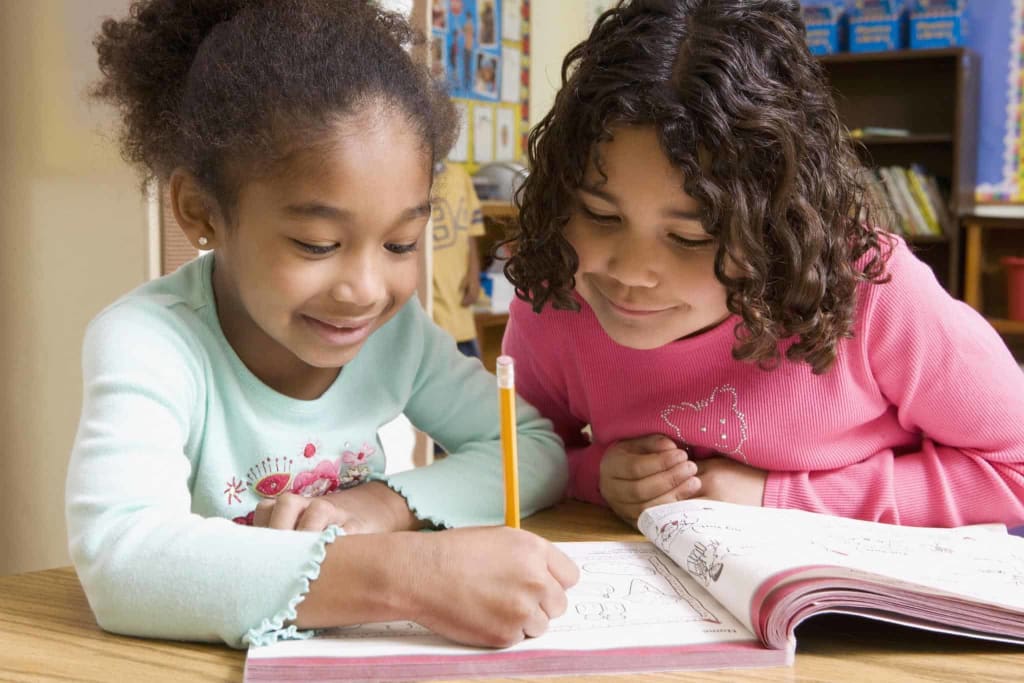
Social-emotional learning (SEL) plays a crucial role in a child's academic and personal development. By integrating SEL into the classroom, educators help students develop self-awareness, emotional regulation, empathy, and interpersonal skills. Below are 20 engaging social emotional learning activities for elementary students that can be easily implemented in any classroom.
1. Emotion Charades
A fun and interactive way to help students recognize and express emotions. Students take turns picking an emotion and acting it out while classmates guess what it is. This activity fosters self-awareness and empathy.
2. Feelings Journal
Encourage students to write or draw their emotions in a journal each day. This helps children express their feelings, track their emotional patterns, and build emotional intelligence.
3. Kindness Chain
Each time a student performs an act of kindness, they write it on a paper strip and add it to a classroom chain. Over time, they visually see the impact of kindness in their environment.
4. Mindfulness Minute
Begin each class with one minute of deep breathing or guided visualization. This helps students regulate emotions and improve focus.
5. Role-Playing Scenarios
Provide students with common social dilemmas and let them role-play how to handle them positively. This strengthens their decision-making and conflict resolution skills.
6. Gratitude Wall
Create a wall where students can post notes about things they are grateful for. Practicing gratitude enhances overall well-being and positive thinking.
7. Peer Compliment Circle
Once a week, students sit in a circle and give one genuine compliment to the person next to them. This builds self-esteem and strengthens friendships.
8. SEL Story Time Arts Workshop
Reading books that teach emotional and social skills is a great way to introduce SEL lessons. SEL Through the Arts Workshop offers a fantastic selection of books that integrate art and music into SEL learning. One great example is Booksicals’ collection, which features engaging stories that help kids understand emotions through literature and the arts.
9. Classroom Meetings
Dedicate time for students to discuss concerns, share experiences, and reflect on classroom culture. This builds a sense of community and problem-solving skills.
10. Art Lessons Based on Children’s Books
Using art to express emotions and social skills enhances creativity while reinforcing SEL concepts. For example, students can illustrate a scene from a book that made them feel a strong emotion and discuss their artwork.
11. Emotion Check-In Chart
Each morning, students place their name under an emotion that reflects how they feel. This allows teachers to assess emotional needs and offer support when necessary.
12. Group Storytelling
Students take turns adding a sentence to a collaborative story. This encourages active listening, cooperation, and creative thinking.
13. SEL Bingo
Create a bingo card with SEL-related tasks, such as "Help a friend" or "Take three deep breaths." Students complete the tasks and mark their cards.
14. Emotion Matching Game
Create a set of emotion cards with facial expressions and another set with emotion words. Have students match the correct face to the correct word, reinforcing emotional recognition.
15. Friendship Bingo
A bingo game with activities like "Helped a classmate," "Gave a compliment," or "Shared a toy." This motivates students to engage in positive social interactions.
16. Breathing Buddies
Each student gets a small stuffed animal or object to place on their belly while they practice deep breathing. This helps them learn self-soothing techniques and focus on mindfulness.
17. Mirror Emotions
Students work in pairs, with one student making a facial expression while the other mimics it. This strengthens empathy by helping children recognize and relate to others' emotions.
18. Emotional Color Wheel
Students create a personal color wheel where each color represents a different emotion. This allows them to express how they feel through art and visual association.
19. Random Acts of Kindness Challenge
Encourage students to complete acts of kindness throughout the week. This promotes empathy, compassion, and community-building.
20. Growth Mindset Affirmations
Teach students to replace negative self-talk with positive affirmations. For example, "I can't do this" becomes "I will try my best and keep learning." Writing these affirmations and posting them in the classroom reinforces a positive mindset.
Conclusion
Integrating SEL lessons for elementary students helps them develop crucial life skills, from managing emotions to building healthy relationships. Activities like those offered in SEL Through the Arts Workshop and art lessons based on children’s books make learning more engaging and meaningful. By incorporating these strategies into your classroom, you empower students to thrive emotionally, socially, and academically.
About the Creator
Enjoyed the story? Support the Creator.
Subscribe for free to receive all their stories in your feed.
Comments
There are no comments for this story
Be the first to respond and start the conversation.