
Breaking the Silence: Understanding Miscarriage
Dispelling Myths and Embracing Truths
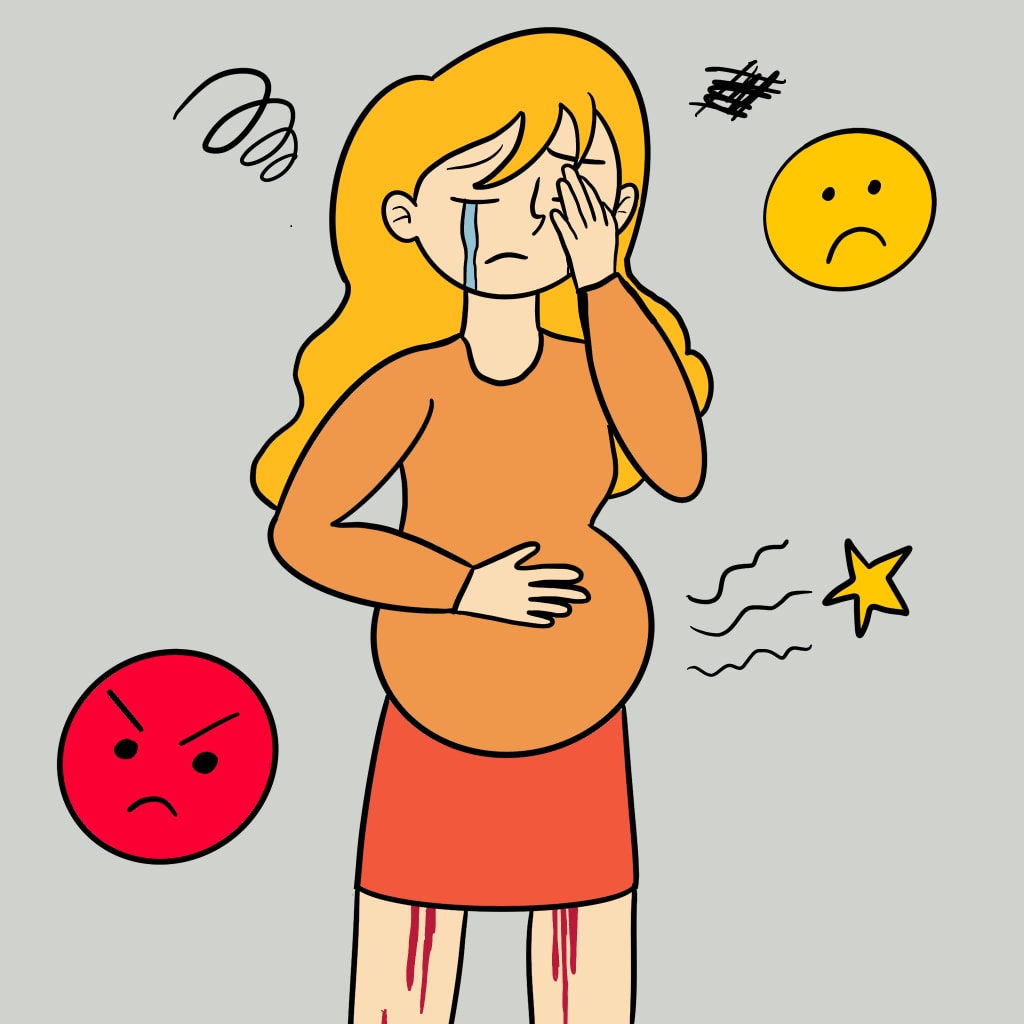
Miscarriage is a reality faced by approximately 23 million individuals globally each year. Despite its frequent occurrence, miscarriage remains a subject enveloped in societal taboos and misconceptions. This secrecy and misunderstanding can lead to a profoundly isolating and emotionally harrowing experience for those affected. The myths and false beliefs surrounding miscarriage often contribute to an unwarranted sense of guilt and self-blame among those who experience it.
One of the most damaging myths is the idea that miscarriages are predominantly the result of actions taken by the pregnant individual. However, medical research and evidence strongly indicate that most miscarriages are unpreventable and occur due to factors beyond personal control. These factors are often related to the complex and intricate biological processes involved in pregnancy.
To comprehend why miscarriages occur, it's essential to understand the early stages of pregnancy, particularly the first 12 weeks, during which the majority of miscarriages happen. Pregnancy begins with the fertilization of an egg by a sperm, resulting in the formation of a zygote. This zygote undergoes rapid cell division as it travels down the fallopian tube towards the uterus. Upon reaching the uterus, the zygote must successfully implant itself into the uterine lining, a process that involves a delicate interplay of biological factors.
Hormones play a pivotal role in maintaining a pregnancy. Progesterone, estrogen, and human chorionic gonadotropin (hCG) are among the most crucial hormones in this regard. Progesterone helps thicken the uterine lining, creating a nurturing environment for the developing embryo. Estrogen supports the maintenance of the uterine lining and enhances blood flow to the uterus, which is vital for nourishing the embryo. hCG, produced by the placenta shortly after implantation, signals the body to maintain the production of progesterone and estrogen, thus sustaining the pregnancy.
Despite these complex and well-coordinated hormonal processes, pregnancy remains a precarious journey. Statistically, out of every three fertilized eggs, only one progresses to a live birth. This high attrition rate highlights the delicate nature of early pregnancy and the numerous potential obstacles that can disrupt its progression.
One of the common causes of miscarriage is chromosomal abnormalities. These genetic anomalies, which can occur during the formation of the egg or sperm, or during the early stages of cell division, often prevent the embryo from developing normally. When the body detects such abnormalities, it may naturally terminate the pregnancy to prevent the continuation of a non-viable embryo.
Other factors contributing to miscarriage can include maternal health conditions such as uncontrolled diabetes, thyroid disorders, and autoimmune diseases. Lifestyle factors like smoking, excessive alcohol consumption, and drug use can also increase the risk of miscarriage. However, it's crucial to recognize that many miscarriages occur without any identifiable cause, underscoring the unpredictable nature of this phenomenon.
The emotional impact of miscarriage is profound and multifaceted. Feelings of grief, loss, guilt, and even shame are common, and the lack of open discussion about miscarriage can exacerbate these emotions. Society's reluctance to acknowledge and address miscarriage contributes to the isolation felt by those who experience it. By perpetuating silence and stigma, we fail to provide the necessary support and understanding to those who are grieving.
To combat these issues, it's vital to foster open conversations about miscarriage, encouraging a more compassionate and informed perspective. Education plays a key role in this process. By disseminating accurate information about the causes and prevalence of miscarriage, we can help dispel the myths and misconceptions that contribute to the stigma.
Understanding that miscarriage is often an unpreventable event can alleviate some of the self-blame and guilt that many individuals feel. Recognizing the complex biological processes involved in early pregnancy can also provide a sense of perspective and understanding. It’s important to create a supportive environment where individuals feel comfortable sharing their experiences and receiving the empathy and care they need.
In conclusion, miscarriage, though common, remains a deeply misunderstood and stigmatized aspect of reproductive health. By shedding light on the biological realities and fostering open, compassionate dialogue, we can begin to break down the taboos and provide better support for those affected. Through education and empathy, we can help ensure that no one has to navigate the pain of miscarriage alone.
About the Creator
Enjoyed the story? Support the Creator.
Subscribe for free to receive all their stories in your feed.
Comments
There are no comments for this story
Be the first to respond and start the conversation.