
Boost Your SEO Ranking: Expert Tips & Strategies
Content is King, But SEO is Queen: Your Guide to Website Visibility
Introduction to SEO Ranking
For businesses seeking growth, a strong search engine presence is crucial. SEO, or Search Engine Optimization, enhances online visibility, attracting qualified leads and boosting revenue.
Importance of SEO for Business Visibility and Growth
In today’s digital age, consumers rely on search engines like Google for products and information. High search rankings improve visibility, leading to increased website traffic, brand awareness, and sales opportunities.
Understanding Search Engine Ranking Algorithms
Search engine algorithms, like Google’s, evolve to deliver relevant, high-quality results. Key factors include content relevance, user experience, website authority, and technical optimizations. Adapting to these factors improves rankings and drives business growth.
Staying updated with SEO best practices ensures long-term success and profitability.
Comprehensive Keyword Research
Keyword research is the heart of a successful SEO strategy. It’s like finding the secret ingredients to your business’s recipe for success. By identifying the most relevant keywords and understanding the search intent behind them, you can tailor your content to meet your audience’s needs perfectly. Think of it as a treasure hunt, where the right tools help you uncover valuable insights and craft a winning keyword strategy.
Identifying Relevant Keywords and Search Intent
Start by brainstorming seed keywords that reflect your business or industry. Use keyword research tools to expand your list, explore related keywords, and analyze their search volume, competitiveness, and intent. This approach ensures your content hits the mark and keeps your audience engaged.
Creating standout content is essential for boosting your online presence and ranking. It’s not just about matching target keywords but also connecting with your audience’s needs. Your web pages should offer a smooth, engaging experience that caters to various search intents.
To create content that meets user intent, deeply understand your audience’s search queries and pain points. Craft content that answers their questions and addresses their concerns, naturally incorporating target keywords.
Once you’ve pinpointed your keywords, optimize your content by placing them in headings, subheadings, and the main text. Ensure a natural flow and use content optimization techniques to find the ideal keyword density, enhancing both quality and user intent alignment.
Adding visuals like images, infographics, or videos can make your content more engaging. Keeping your content fresh and updated will keep it relevant and appealing, which can improve your SEO ranking.
In the fast-paced digital world, merely creating new content isn’t enough. Regularly refreshing and updating your content is crucial for maintaining relevance and boosting SEO. This keeps your site competitive in search engine rankings.
Update your website’s statistics, data, and ideas to keep content fresh and engaging. This not only improves user experience but also signals to search engines that your content is current and valuable.

Consider these strategies:
Review and refresh existing content to ensure accuracy.
Add new multimedia elements like images and videos.
Highlight the latest update date to show relevance.
Regular updates help maintain strong SEO, driving more traffic and engagement.
Ensuring website accessibility is crucial for an inclusive user experience. Here are some best practices:
Use proper header tags (H1, H2, H3) for easy navigation.
Ensure high color contrast for readability.
Provide a magnifier feature for zooming in on content.
Design a straightforward, intuitive layout with clear navigation.
Include transcripts or captions for videos.
Add descriptive alt text for images.
By following these practices, you can make your website accessible to all users, improving user experience and search engine rankings
Improving your website’s loading speed is crucial for better SEO rankings and user experience. Slow load times can lead to high bounce rates and fewer conversions. Enhancing speed ensures a smooth browsing experience and higher search engine rankings.
Key techniques include:
Compressing and resizing images
Minifying and combining JavaScript and CSS files
Implementing lazy loading for non-critical resources
Upgrading server performance
Tools like PINGDOM and GTmetrix are invaluable for testing and improving speed. They provide detailed insights and recommendations to reduce page load times, helping you maintain a fast, efficient website.
Ensuring website accessibility is crucial for an inclusive user experience. Here are some best practices:
Use proper header tags (H1, H2, H3) for easy navigation.
Ensure high color contrast for readability.
Provide a magnifier feature for zooming in on content.
Design a straightforward, intuitive layout with clear navigation.
Include transcripts or captions for videos.
Add descriptive alt text for images.
By following these practices, you can make your website accessible to all users, improving user experience and search engine rankings
Seo ranking
Improving your SEO ranking demands a comprehensive approach. Focus on key elements like thorough keyword research, creating captivating content, optimizing website speed, and continuously updating your online presence. These efforts can significantly boost your website's visibility and rankings in search engine results pages (SERPs).
Conducting in-depth keyword research is vital for a successful SEO strategy. Identify the most relevant keywords and understand user search intent to align your content with what your audience seeks. Utilize tools like Google Keyword Planner, SEMrush, and Ahrefs for valuable insights and refined keyword targeting.
Creating high-quality, engaging content that meets user intent is crucial for enhancing your seo ranking, search engine rankings, and serp rankings. Optimize your content for target keywords, ensuring a seamless user experience and addressing your audience's needs.
Strategies for Mobile-Friendly Optimization
• Implement a responsive web design that automatically adapts to different screen sizes
• Ensure fast loading times by optimizing images, minimizing code, and leveraging caching techniques
• Optimize content and navigation for seamless mobile usability, with easy-to-tap buttons and intuitive layouts
• Leverage mobile-specific features like click-to-call, location-based services, and mobile-friendly forms
• Regularly test and monitor your website's mobile performance using tools like Google's Mobile-Friendly Test
By using these strategies, your website will work great on all devices. This will improve user experience, boost your SEO ranking, and increase traffic and engagement from mobile users.
Optimizing your website for mobile devices improves user experience, search engine rankings, and conversions from mobile users. Embrace mobile-friendly website optimization to lead in the digital world.
Content Structure and Organization
The structure and organization of your website's content are key to boosting your SEO rankings. Using headings and subheadings effectively helps users and search engines understand your content's hierarchy and relevance. By strategically placing your target keywords within these headings, you enhance content optimization and visibility in search results.
Proper Use of Headings and Subheadings
Headings and subheadings are crucial for content structure and organization. They establish a logical flow and hierarchy, aiding users and search engines in grasping the content's structure. Here are some best practices for using headings and subheadings effectively:
1. Utilize the H1 tag for the main title of your page, ensuring it accurately reflects the overall topic and includes your primary keyword.
2. Use H2 tags for your main section headings, which should be concise and informative.
3. Incorporate H3 tags for sub-topics within each section, providing more detailed information and supporting your main points.
4. Avoid skipping heading levels (e.g., going from H2 to H4) to maintain a clear and logical structure.
5. Optimize your headings by including relevant keywords, but ensure they still read naturally and provide value to your readers.
Internal Linking and Website Architecture
The internal linking structure and website architecture are vital for SEO. A well-organized, user-friendly navigation system with relevant internal links helps search engines understand your pages' relationships and information flow. A coherent site structure not only enhances the user experience but also aids in crawlability and indexing by search engines, ultimately boosting your SEO rankings.
Social Media Integration and Promotion
Integrating your website content with social media platforms and actively promoting it on these channels can significantly boost your SEO rankings. By sharing your content on social media, you increase its visibility, drive more traffic to your site, and potentially earn valuable backlinks. Moreover, the engagement and interactions on social media platforms signal to search engines that your content is relevant and authoritative, enhancing your SEO performance.
To effectively leverage social media integration and promotion for your SEO strategy, consider the following strategies:
1. Optimize your social media profiles by incorporating relevant keywords, links to your website, and engaging visuals.
2. Develop a consistent social media posting schedule to maintain a strong presence and keep your audience engaged.
3. Encourage your audience to share and interact with your content on social media, as this can signal to search engines that your content is valuable and relevant.
4. Leverage social media advertising to boost the visibility of your content promotion efforts and reach a wider audience.
5. Monitor and analyze the performance of your social media content to identify the most effective strategies and adjust your approach accordingly.
By seamlessly integrating your website content with social media platforms and actively promoting it through these channels, you can unlock a powerful synergy. This synergy can significantly enhance your overall SEO ranking and drive long-term success for your business.
A vibrant digital landscape showcasing interconnected social media icons seamlessly blending into various devices, such as smartphones, tablets, and laptops, surrounded by colorful, abstract lines representing data flow and user engagement, set against a modern, tech-inspired background with a Link Building Strategies
Mastering link building is key to boosting your website's search engine rankings. Backlinks from reputable websites signal to search engines that your content is credible and authoritative. By using strategic link building techniques, you can enhance your SEO backlinks profile and open up new growth opportunities.
Importance of Backlinks for SEO Ranking
Backlinks are essential for a robust link building strategy. They show search engines that your content is valuable and deserves a higher ranking. The more high-quality, white-hat link building you do, the better your website's authority and SEO backlinks will become. This directly affects your overall SEO ranking.
White-Hat Link Building Techniques
• Create content that others will want to share and link to.
• Use guest posting on relevant blogs and websites to earn ethical link building.
• Form strategic partnerships with businesses or organizations for mutual link building benefits.
• Reach out to influencers, experts, and publications for white-hat link building opportunities.
Focus on white-hat link building methods that follow search engine guidelines. This approach helps build a sustainable, ethical backlink profile. It supports your long-term SEO ranking goals.
Conclusion
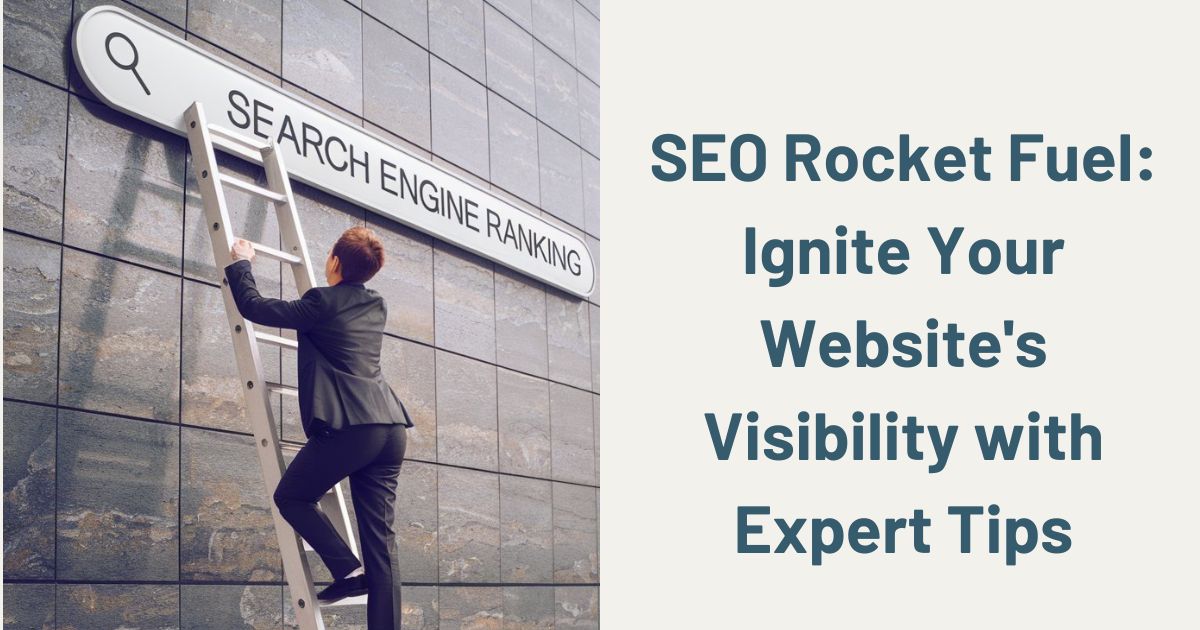
Developing a detailed SEO strategy that includes key elements discussed here can greatly enhance your website's visibility and rankings. Focus on deep keyword research, creating engaging content, optimizing site speed and accessibility, and using effective link building. This approach positions your business for long-term success in the dynamic SEO world.
It's essential to continuously monitor, analyze, and refine your SEO efforts to maintain and enhance your rankings. This ensures more targeted traffic and valuable leads to your site. A successful seo strategy, following seo best practices, and ongoing Seo optimization unlock your website's full potential in the digital space.
Following the strategies and tactics presented here puts you on the path to improving your SEO ranking and increasing visibility, traffic, and conversions for your business.
FAQs SEO
What is SEO and why is it important for my business?
SEO, or Search Engine Optimization, is the practice of improving your website's visibility in search engine results. It helps your business attract more organic traffic, which can lead to increased sales and brand awareness.
How do search engine algorithms work?
Search engines use complex algorithms to rank websites based on various factors, including relevance, quality, and user experience. Understanding these algorithms can help you optimize your website for better search engine rankings.
What are the key steps in keyword research?
Keyword research involves identifying relevant keywords that your target audience is likely to search for. This helps you tailor your content to their needs and improve your search engine rankings.
How can I create high-quality and engaging content?
Creating high-quality content that is both informative and engaging is crucial for SEO. Focus on creating content that addresses your target audience's needs and interests, and make sure it is well-written and easy to understand.
Why is it important to update existing content?
Keeping your content fresh and updated is important for several reasons. It helps maintain user interest, improves search engine rankings, and demonstrates that your business is active and up-to-date.
How can I optimize my website's loading speed?
Optimizing your website's loading speed can improve user experience and search engine rankings. Consider compressing images, minifying CSS and JavaScript, and using a content delivery network (CDN).
Why is website accessibility important for SEO?
A website that is accessible to all users, including those with disabilities, is more likely to rank well in search engines. Ensure your website complies with accessibility guidelines and use appropriate HTML elements and alt text for images.
How can I optimize my website for mobile devices?
With the increasing number of mobile internet users, it's essential to ensure your website is mobile-friendly. Use a responsive design, optimize for fast loading times, and make sure your website is easy to navigate on smaller screens.
How can I improve my website's internal linking structure?
A well-structured internal linking structure can help search engines understand your website's content and improve your rankings. Use relevant anchor text and link to related pages within your website.
How can I build high-quality backlinks?
Backlinks from other reputable websites can help improve your website's authority and search engine rankings. Focus on building high-quality backlinks through strategies such as guest posting, content marketing, and outreach.
About the Creator
Enjoyed the story? Support the Creator.
Subscribe for free to receive all their stories in your feed.
Comments
There are no comments for this story
Be the first to respond and start the conversation.