
Boost Your Health with These 7 Nutritious Foods
Boost Your Health
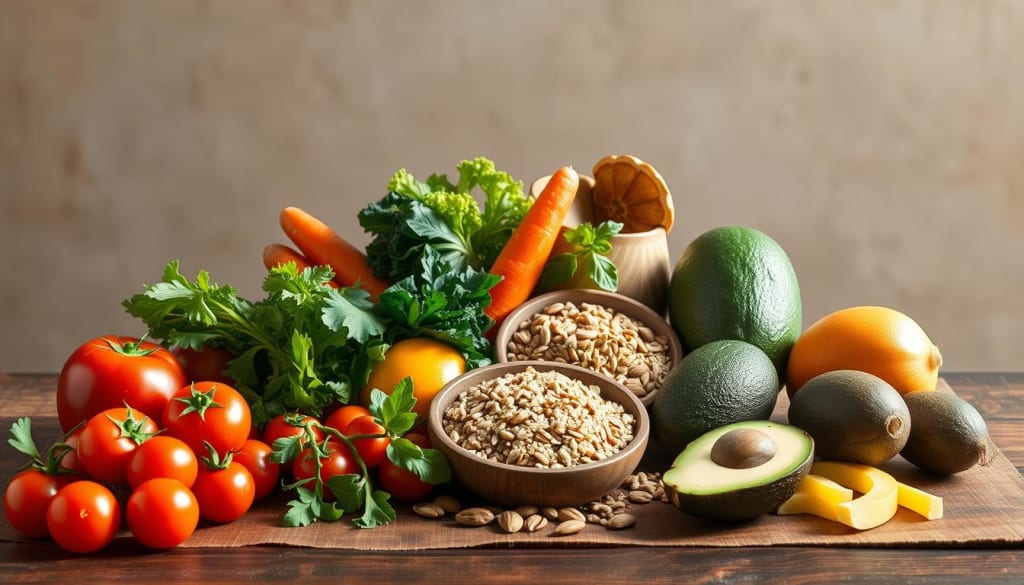
Boost Your Health with These 7 Nutritious Foods
Want to boost your diet? Nutritious foods can do wonders for your energy and health. This guide will show you seven top picks. They're full of vitamins, minerals, and antioxidants to help you feel better.
Starting healthy eating habits is easy with the right foods. These foods beat processed snacks by giving you lasting benefits. They boost your immunity, sharpen your focus, and keep you energized. Learn why choosing the right foods is key.
Key Takeaways
Nutrient-dense foods fuel your body better than empty calories.
Small changes in food choices create big impacts on long-term health.
These 7 foods provide balanced nutrition without complicated diets.
Simple swaps in daily meals can build stronger healthy eating habits.
Science shows whole foods reduce risks of chronic health issues.
Nutritional Foundations for a Healthier Life
Starting a healthier lifestyle means knowing the basics. Nutrient-dense meals are key, giving you important vitamins without too many calories. Choosing quality nutrition makes sure every meal helps your health.
Understanding Nutrient-Dense Foods
These foods give you lots of nutrition in fewer calories. Think of kale, berries, and salmon. They're full of fiber, antioxidants, and healthy fats. A cup of spinach has iron and folate, while an apple gives you fiber and vitamin C.
Choosing these foods means avoiding empty calories from junk snacks.
How They Benefit Your Body
“A diet rich in nutrient-dense foods supports heart health, brain function, and sustained energy levels,” states the Centers for Disease Control and Prevention (CDC).
These foods boost your immune system, help with digestion, and lower disease risk. Eating them regularly makes your skin better and your mind clearer. They're essential for long-term health.
Why Quality Matters Over Quantity
Choosing quality nutrition means picking fresh, unprocessed foods. Organic produce or grass-fed meats might be pricier but are better for you. Grass-fed beef, for example, has more omega-3s than regular beef.
By focusing on quality, you make sure your body gets the most from each meal.
Opt for seasonal produce from local farms
Read labels to avoid added sugars or preservatives
Prioritize whole foods over pre-packaged options
Key Insights on 7 good food for health
Nutrient-rich foods like spinach, salmon, and blueberries are great for your health. Let's see why they're good for you:
Spinach: It's full of iron and vitamin K. These help keep your bones strong and give you energy.
Salmon: It's rich in omega-3s. These fats are good for your heart and brain.
Blueberries: They have antioxidants. These fight inflammation and help keep you healthy for a long time.
Almonds: Eating a handful gives you protein and healthy fats. They keep you full and give you energy.
Quinoa: It's a complete protein. This means it has all the amino acids your body needs for muscle repair.
Sweet Potatoes: They're full of vitamin A. This vitamin is good for your eyes and helps keep you healthy.
Greek Yogurt: It's full of probiotics. These help your gut and improve digestion.
These 7 foods work together to fill any gaps in your diet. Eating nutrient-rich foods like these helps your body without adding extra calories. Making small changes, like choosing Greek yogurt over sugary snacks, can make a big difference. Studies show these foods can lower the risk of chronic diseases and boost your daily energy.
Incorporating Nutritious Foods into Your Daily Routine
Starting small is key. Begin by focusing on a balanced diet with nutrient-rich foods. Here's how to get started:
Meal Planning Tips for Daily Success
Plan meals weekly using a calendar or app. Spend 30 minutes on Sunday to pick recipes and shop.
Prep ingredients ahead: Chop veggies, portion proteins, and store grains. This saves time during busy weekdays.
Swap one processed snack daily with fresh fruit or nuts. Small swaps build lasting habits.
Quick & Tasty Recipe Ideas
Try these easy options:
- Green Smoothie: Spinach, banana, almond milk, and chia seeds. Blends in 2 minutes.
- Quinoa Salad Bowl: Cooked quinoa mixed with roasted veggies and a lemon-tahini dressing.
- Steel-Cut Oats with Berries: Top with cinnamon and a drizzle of honey for a warming breakfast.
Staying On Track
Consistency comes from simple steps. Keep your kitchen stocked with staples like oats, canned beans, and frozen veggies. Use a food journal app like MyFitnessPal to track progress. Celebrate with non-food rewards—like a new podcast or walk in the park—when you reach your goals.
Conclusion
Choosing natural nutrition is more than a trend; it's a journey to lasting health. The 7 foods mentioned here bring long-term benefits. They give your body the nutrients it needs to stay healthy.
By choosing quality ingredients, you set yourself up for long-term wellness. This makes every choice you make count. It's about making healthy habits a part of your daily life.
Small changes can make a big difference. Switching from processed snacks to whole foods like berries or nuts is a great start. It builds healthy habits that last.
Meal planning and simple recipes make it easier to stay on track. These habits lead to better energy, stronger immunity, and overall well-being.
Natural nutrition is about making progress, not being perfect. Start with small changes, like drinking herbal tea instead of sugary drinks. Or add spinach to your omelets.
These small changes can make a big impact on your health over time. It's about creating a lifestyle that supports your health for the long haul.
Every bite you take matters. Use the tips from this guide to make meals that are good for you. Whether you're meal prepping or grabbing a quick snack, choose foods that are full of vitamins and minerals.
Small, consistent efforts lead to big benefits. You'll start to feel the difference in your health.
Take the first step today. Try out some of the recipes mentioned earlier or introduce a new food into your diet. With patience and focus, natural nutrition will become a natural part of your life.
Your future self will thank you for the healthy choices you make now. Keep moving forward, one healthy meal at a time.
FAQ
What are nutrient-dense foods?
Nutrient-dense foods are packed with vitamins, minerals, and good nutrients. They have fewer calories. Examples include veggies, fruits, whole grains, lean proteins, and healthy fats.
Why should I include these 7 foods in my diet?
Adding these foods boosts your health and energy. They also support a strong immune system and long-term wellness.
How can I make healthy eating easier?
Plan your meals, prep ingredients, and use simple recipes. This makes adding these foods to your diet fun and easy.
Are there easy recipes for these 7 foods?
Yes! You can find many quick and tasty recipes online. They're perfect for a busy schedule.
What tips can help me stay consistent with healthy eating?
Set achievable goals, track your progress, and find support. These steps help keep you motivated and on track.
How can I identify if a food is nutrient-dense?
Look at the food label for vitamins and minerals. Foods high in these and low in added sugars, fats, and calories are nutrient-dense.
What is the role of portion sizes in a balanced diet?
Quality is important, but portion sizes are crucial too. Understanding serving sizes helps manage calories. It also makes sure you get the nutrients you need.
About the Creator
Enjoyed the story? Support the Creator.
Subscribe for free to receive all their stories in your feed.
Comments
There are no comments for this story
Be the first to respond and start the conversation.