
Boost Performance with Automated SQL Query Caching: Unleashing the Power of Amazon ElastiCache for Amazon RDS and Redshift
Amazon ElastiCache for Amazon RDS and Redshift
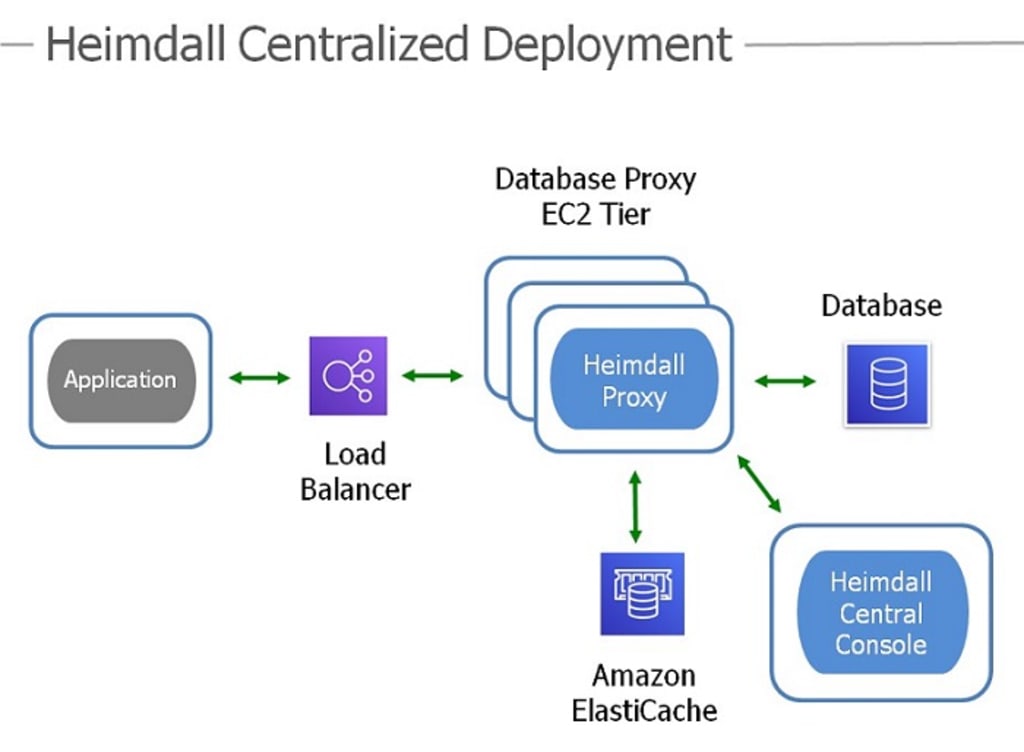
Introduction:
In today's data-driven world, businesses rely heavily on relational databases like Amazon RDS (Relational Database Service) and Redshift for storing and managing their valuable data. As data volumes continue to grow, the need for efficient query processing becomes paramount. Enter Amazon ElastiCache, a powerful caching solution that can dramatically enhance the performance of SQL queries. In this article, we will explore the concept of automated SQL query caching and its integration with Amazon ElastiCache for Amazon RDS and Redshift.
Understanding Automated SQL Query Caching
In order to comprehend the benefits of automated SQL query caching, it's essential to grasp the concept itself. SQL query caching involves storing the results of previously executed queries in a cache, allowing subsequent identical queries to be retrieved from the cache rather than hitting the database again. This can significantly reduce the query execution time and alleviate the load on the database server.
The Power of Amazon ElastiCache
Amazon ElastiCache is a fully managed in-memory caching service provided by Amazon Web Services (AWS). It supports popular open-source caching engines such as Redis and Memcached, offering seamless integration with Amazon RDS and Redshift. ElastiCache provides an efficient and scalable solution for caching frequently accessed data, enabling faster query responses and improved overall system performance.
Integrating Amazon ElastiCache with Amazon RDS
By integrating Amazon ElastiCache with Amazon RDS, businesses can supercharge their SQL query performance. ElastiCache acts as an intermediary layer, intercepting queries before they hit the database. If a query has been executed before and its results are available in the cache, ElastiCache retrieves the results from there, eliminating the need to access the database. This results in a significant reduction in query response time and improved throughput.
Accelerating Redshift with ElastiCache
Redshift, Amazon's data warehousing solution, can also leverage the power of ElastiCache to enhance query performance. By utilizing ElastiCache as a caching layer, Redshift can offload frequently executed queries from the database, resulting in faster query execution times and reduced workload on the Redshift cluster. With ElastiCache's ability to scale horizontally, businesses can handle growing data volumes while maintaining optimal performance.
FAQ:
Q1: How does automated SQL query caching work with Amazon ElastiCache?
A1: Automated SQL query caching involves storing the results of executed queries in a cache. When a query is repeated, ElastiCache retrieves the results from the cache instead of hitting the database, resulting in faster response times.
Q2: Can I use ElastiCache with my existing Amazon RDS or Redshift setup?
A2: Yes, Amazon ElastiCache can be seamlessly integrated with existing Amazon RDS and Redshift deployments. You can enable caching for specific queries or query types to optimize performance.
Q3: What are the benefits of using Amazon ElastiCache for SQL query caching?
A3: The benefits include reduced query response times, improved overall system performance, decreased load on the database server, and scalability to handle growing data volumes.
Q4: Which caching engines are supported by Amazon ElastiCache?
A4: Amazon ElastiCache supports popular caching engines such as Redis and Memcached, providing flexibility and compatibility with a wide range of applications.
Conclusion:
Automated SQL query caching, coupled with Amazon ElastiCache for Amazon RDS and Redshift, is a game-changer in improving query performance and optimizing database workloads. By leveraging the power of caching, businesses can significantly reduce query response times, enhance overall system performance, and ensure scalability to handle increasing data volumes. With Amazon ElastiCache, you can unlock the full potential of your relational databases and unleash a new level of efficiency in your data-driven operations.
About the Creator
Enjoyed the story? Support the Creator.
Subscribe for free to receive all their stories in your feed.
Comments
There are no comments for this story
Be the first to respond and start the conversation.