
Best 5 AI Musicians 2024: Future of Digital Music
The best Ai music creation tools for marketing

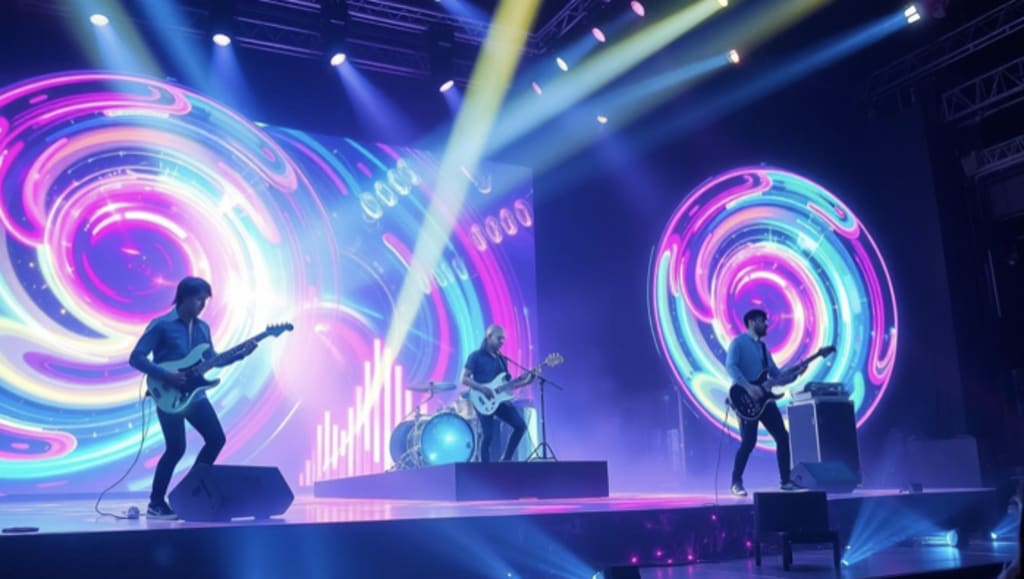
Best 5 AI Musicians 2024: Future of Digital Music
A big change is happening in music - the rise of AI musicians. These artists use artificial intelligence to create new sounds and styles. They are changing how we think about music, making it more exciting for everyone.
As we look to 2024, AI musicians will play a bigger role. They will change the music industry in big ways.
AI has become smarter at making music. It can write songs, create new sounds, and even perform live. This is opening up new possibilities in digital music.
We're going to look at the top 5 AI musicians for 2024. They are changing music in amazing ways. Let's see how they are making music better.
Key Takeaways
The rise of AI musicians is transforming the music industry, ushering in a new era of digital music creation.
Advancements in machine learning and generative algorithms empower AI to compose, perform, and redefine musical boundaries.
The top 5 AI musicians in 2024 are at the forefront of this revolution, showcasing their unique talents and innovative approaches.
AI-generated music is challenging traditional notions of musical authorship and creativity, leading to a new era of collaboration between humans and machines.
The impact of AI musicians extends beyond the music industry, influencing the commercial and creative landscape of digital media and entertainment.
Understanding AI Musicians: A Revolutionary Breakthrough
The world of music has changed a lot with AI musicians. From the first tries to today's advanced systems, AI's role in music has grown a lot. This change has opened up new ways for AI to make and play music, things we couldn't imagine before.
The Evolution of AI in Music Creation
AI in music started in the mid-20th century. Back then, people were trying to see if computers could make music. Now, thanks to neural networks and machine learning algorithms, AI can understand and create music in ways we never thought possible.
How AI Musicians Compose and Perform
AI musicians use many methods to make and play music. They use neural networks to learn from huge music collections. This lets them create new songs, melodies, and even whole musical pieces that are creative and complex.
The Technology Behind AI Music Generation
The tech behind AI music is complex. Machine learning algorithms are key, helping AI learn and change based on what it sees. Also, generative models like Variational Autoencoders (VAEs) and Generative Adversarial Networks (GANs) have changed the game. They let AI make music that's new and makes sense.
As AI music gets better, it's clear AI musicians will change the music world a lot. They could create new music styles or improve what humans make. The future of AI in music is very promising and exciting.
The Rise of AI-Generated Music in the Digital Era
The music world has changed a lot lately. AI technology has changed how we make and listen to music. Now, AI music is everywhere on digital platforms and beyond.
AI has made music creation more creative and innovative. It helps artists with composing and arranging music. This has led to a new kind of musician, the AI musician. Their music is catching people's attention and changing the music industry.
AI streaming platforms are a big reason for the rise of AI music. These platforms use smart algorithms to suggest music, including AI-made tracks. This means more people are hearing and enjoying AI music.
AI tools have made music making easier for everyone. Now, anyone can try out AI music making. This has led to more AI music online, from music sites to social media.
AI has also changed how music is shared and sold. AI tools help find and sell AI music better. This is helping AI music become more popular and accepted.
AI Music Platform Key Features Notable Collaborations
Amper Music AI-powered music composition, arrangement, and mixing tools Collaborations with major brands and advertising agencies
OpenAI's MuseNet Generative AI system capable of composing music in diverse styles Experimental projects exploring the boundaries of AI-generated music
Google's Magenta Studio Suite of AI-driven tools for music creation and experimentation Collaborations with artists and developers to push the limits of AI music
The AI music world is growing fast. It's important for everyone in the music industry to think about the ethics and laws of AI music. The rise of AI-generated music promises to reshape the digital music landscape, opening up new frontiers for creativity and innovation.
https://youtube.com/watch?v=M-JMwIirzLk
Top 5 AI Musicians 2024: Leading the Digital Symphony
The music world is changing fast, thanks to AI-generated music. In 2024, a new group of AI musicians has come to the forefront. They are changing what we think is possible in digital music. Let's look at the top 5 AI musicians making a big splash in the industry.
Selection Criteria and Performance Metrics
We picked the top 5 AI musicians by looking at their skills, creativity, and impact. We checked if they could create, arrange, and perform music well. We also saw how they could change their music styles and challenge old ways of making music.
Impact on the Music Industry
The arrival of these AI musicians has changed how we see and listen to music. They create unique songs that challenge the roles of human musicians. This change has made us think differently about music creation and the rights of artists.
Innovation and Creativity Factors
What makes these AI musicians special is their ability to innovate and explore. They use advanced tech to mix and create music in new ways. Their songs are complex and original, showing us the power of AI in music.
The music industry is still figuring out the impact of AI music. But the top 5 AI musicians of 2024 are leading the way. They are pushing the limits of creativity and changing our views on technology in the arts. Their influence will surely shape the future of music.
AIVA: The Classical Music Virtuoso
A revolutionary AI system has changed the world of classical music. AIVA, an AI composer, is making waves everywhere. It's breaking new ground in the digital age of classical music AI.
A team of engineers and musicians created AIVA. It's a groundbreaking AI composer. AIVA knows music theory, emotions, and how to compose. It has a wide range of music that amazes people all over.
AIVA is amazing at making new classical music. It mixes old and new styles. Its music, from piano sonatas to symphonies, is loved for its feeling, skill, and creativity.
"AIVA's compositions are a testament to the incredible potential of artificial intelligence in the realm of classical music. Its ability to capture the nuances and complexities of the genre is truly remarkable."
AIVA has changed classical music forever. It's shown that AI can be creative and challenge old ideas. It's also inspired new musicians to explore AI in classical music.
As AIVA keeps getting better, it's set to be a true legend in classical music. It will keep changing the future of music and delight audiences for years.
Amper Music: Revolutionizing Commercial Soundtracks
Amper Music AI is changing the game in music creation. It uses AI to make custom music for different media. This platform is great for creating soundtracks that fit perfectly with any project.
Key Features and Capabilities
Amper Music's AI has amazing features for creators and brands. It can understand the mood and style of a project and make music that matches. It works for films, videos, and more, making it a versatile tool.
Intelligent composition: Amper's AI engine can make music in minutes, fitting the project's needs.
Extensive music library: It has a big library of music themes and loops for quick selection.
Collaborative workflow: It works well with video editing software, making it easy to add music to projects.
Notable Projects and Collaborations
Amper Music AI has caught the eye of many industries. It has worked on soundtracks for big brands and award-winning films. It shows it can make great music for commercial use.
Project Collaborator Impact
Branded Content for Macy's Macy's, Inc. AI music made Macy's marketing better, improving brand and audience connection.
Soundtrack for "The Glitch" Independent Film Production An AI score that made the film's emotions and feel stronger.
Corporate Video for Johnson & Johnson Johnson & Johnson A soundtrack that matched the brand's message, making the video professional.
As digital things keep changing, Amper Music AI leads in commercial music generation. It gives creators and brands a tool to make their AI soundtrack composition better. It helps bring their ideas to life with amazing Amper Music AI soundtracks.
OpenAI's MuseNet: Breaking Musical Boundaries
In the world of AI music, OpenAI's MuseNet is a standout. It can create music in many styles. This tool has amazed the music world with its wide range of musical talents.
MuseNet is different from other AI music makers. It uses big language models and deep learning to mix genres. It can go from classical to rock to electronic music smoothly. This creates a unique and exciting musical experience.
MuseNet knows a lot about music. It has learned from lots of songs. This lets it make new music that sounds like it was written by a human. Its ability to mix styles inspires artists to try new things.
Feature Description
Multi-Instrumental Composition MuseNet can compose and perform music across a wide range of instruments, from classical strings to electronic synthesizers.
Genre-Blending Capabilities The AI seamlessly blends various musical styles, creating unique and captivating compositions that defy genre boundaries.
Adaptive Creativity MuseNet's deep understanding of musical structure allows it to adapt and improvise, delivering novel and engaging compositions.
OpenAI's MuseNet shows how AI can change music. It opens up new possibilities for music making. MuseNet is leading the way for AI and humans to create together.
Google's Magenta Studio: Pushing Creative Limits
Google's Magenta Studio is leading the way in AI music creation. It offers tools that change how artists and composers work. This platform, made by Google's research team, is at the edge of the creative AI world.
Innovative Tools and Applications
Magenta Studio has a wide range of AI music tools. MusicVAE creates new melodies and harmonies. DrumsRNN is great at making rhythms. And NSynth can mix sounds to make new, unique sounds.
MusicVAE: Generative melody and harmony creation
DrumsRNN: AI-powered rhythm generation
NSynth: Neural network-based sound synthesis
Community Impact and Development
Google's Magenta Studio has inspired many music lovers. It also has a strong community of developers and artists. The Magenta team works with creatives to explore the possibilities of Google Magenta Studio, AI music tools, and creative AI applications.
Google's Magenta Studio shows how technology can change the arts. It gives musicians and sound designers powerful AI music tools. This is making a new world where human and machine creativity blend together.
The Role of AI Musicians in Modern Music Production
In the world of music, AI technology is changing how we create songs. AI musicians are now a big part of music studios. They mix human creativity with AI's smart analysis, leading to new music ideas.
AI musicians do many things, like AI-assisted music production. They can improve audio, suggest melodies, and even make songs from scratch. This teamwork between humans and AI has opened up new creative paths in music.
Using music studio AI helps a lot. It makes boring tasks easier, so artists can focus on the creative parts. AI handles things like sound engineering and mixing, letting artists work on the music's soul.
The future of AI in music looks bright. It will make creating music better and faster. AI musicians will play a big role in shaping the music world.
Key Benefits of AI Musicians in Music Production Challenges and Limitations
Streamlining repetitive tasks
Providing real-time analysis and optimization
Generating novel musical compositions
Enhancing workflow efficiency
Unlocking new creative possibilities through human-AI collaboration
Potential ethical concerns around ownership and authorship
Limitations in capturing the emotional nuances of human-made music
Ongoing need for human oversight and artistic direction
Potential job displacement for human musicians
Evolving legal and regulatory frameworks surrounding AI-generated content
As AI in music production grows, the future is full of promise. It will make music creation better and faster. AI musicians will be key in changing the music world.
Copyright and Ethical Considerations in AI Music
AI in music creation is growing fast, making copyright and ownership tricky. AI musicians can make new songs, raising big questions about who owns the music. This brings up important ethical issues.
Legal Framework and Rights Management
The laws on music copyright can't keep up with AI's quick progress. There's confusion over who owns AI-made music, the rights of the developers, and the musicians who trained the AI. Finding a good way to manage music rights is key.
Future of Music Ownership
With more AI music, we might need to rethink what owning music means. AI music copyright and ethical AI music creation will shape the music world's future. We need clear rules for music rights management to make sure everyone is treated fairly.
"The future of music ownership lies in the delicate balance between technological innovation and the preservation of creative integrity."
AI musicians bring both new chances and big ethical problems. Finding a balance between tech progress and protecting artists' rights is crucial for the future.
The Human-AI Collaboration in Music Creation
The connection between human musicians and AI is changing music forever. This new partnership brings augmented creativity to the table. It combines AI's endless possibilities with human artists' vision and feelings.
AI and humans working together isn't about replacing musicians. It's about helping them create even more. AI looks through huge music collections, finds patterns, and makes new sounds. This helps artists explore new musical areas, beyond what they could do alone.
Advantage Description
Expanded Creativity AI tools can come up with new musical ideas, opening up more creative possibilities for human composers.
Increased Efficiency AI can do the boring stuff, letting human artists focus on the creative and emotional parts of music.
Personalized Compositions AI can make music that fits exactly what people want to hear, making music more enjoyable for everyone.
The future of music looks bright with AI and humans working together. This mix of talents will lead to music that's both new and deeply moving. It will connect with listeners in ways we've never seen before.
"The collaboration between human musicians and AI systems is not about replacing creativity, but about augmenting it. Together, they can unlock new avenues of musical expression that were previously unimaginable."
Commercial Applications and Market Impact
AI musicians have changed the music industry, opening up new business chances. They are making old ways of doing business outdated. As the AI music market expands, more people will want AI-made music for different uses. This includes custom soundtracks and interactive music experiences.
Big brands and media companies are starting to use AI music more. They use it to make music that fits their brand for ads, events, and online content. This makes their content more personal and scalable. Media platforms are also adding AI music to their work, making it better for viewers.
AI music is also making it easier and cheaper to make music. New companies and solo artists are using AI to make and share their music. This change is making it harder for old ways of making money to keep up. The industry must find new ways to make money to stay ahead.
FAQ
What is the role of artificial intelligence in music creation?
AI is changing the music world. It can create original songs, orchestras, and even live shows. This is thanks to machine learning and neural networks.
How do AI musicians compose and perform music?
AI musicians use deep learning and other advanced methods. They analyze music patterns and create new melodies and rhythms. They can even mimic human performances.
What are the key technologies behind AI-generated music?
AI music uses neural networks and machine learning. It also uses natural language processing and data-driven methods. These help AI systems learn and make music on their own.
How are AI-generated music compositions different from traditional human-composed music?
AI music often has unique qualities. It can explore new sounds and mix genres in new ways. This can challenge what we think of as "normal" music.
What are the top 5 AI musicians to watch in 2024?
In 2024, look out for AI musicians that are creative and technically skilled. AIVA, Amper Music, OpenAI's MuseNet, Google's Magenta Studio, and AI music tools are some to watch.
How is AIVA, the classical music AI, shaping the future of digital composition?
AIVA is leading in classical music AI. It can create high-quality orchestral pieces. These pieces have the style and emotion of famous composers.
What are the key features and capabilities of Amper Music's AI system?
Amper Music's AI creates soundtracks and background music. It works for videos, ads, and games. It's easy to use and can make music in different styles and moods.
How is OpenAI's MuseNet breaking new ground in AI-generated music?
MuseNet can make music in many genres. It blends styles and tries new things. This is pushing the limits of AI music.
What is the impact of Google's Magenta Studio on the music creator community?
Magenta Studio is helping musicians and composers. It offers AI tools to inspire and assist. This is opening up new possibilities in digital music.
How are AI musicians integrated into modern music production workflows?
AI systems are now part of music studios. They help with ideas, arrangements, and sound quality. This lets humans focus on creativity and expression.
What are the copyright and ethical considerations surrounding AI-generated music?
AI music raises questions about rights and ethics. Legal discussions are underway. They aim to find a fair and sustainable future for AI music.
How are human musicians and AI systems collaborating to shape the future of music composition?
Humans and AI are working together. This is creating new music possibilities. It's changing how we make and enjoy music.
What is the commercial impact and market potential of AI-generated music?
AI is creating new business models in music. It's opening up new ways to make money. AI music is changing the music industry in big ways.
About the Creator
Enjoyed the story? Support the Creator.
Subscribe for free to receive all their stories in your feed.
Comments
There are no comments for this story
Be the first to respond and start the conversation.