
Becoming a Better Listener in a Noisy World
Why learning to truly listen might be the most underrated skill of our time

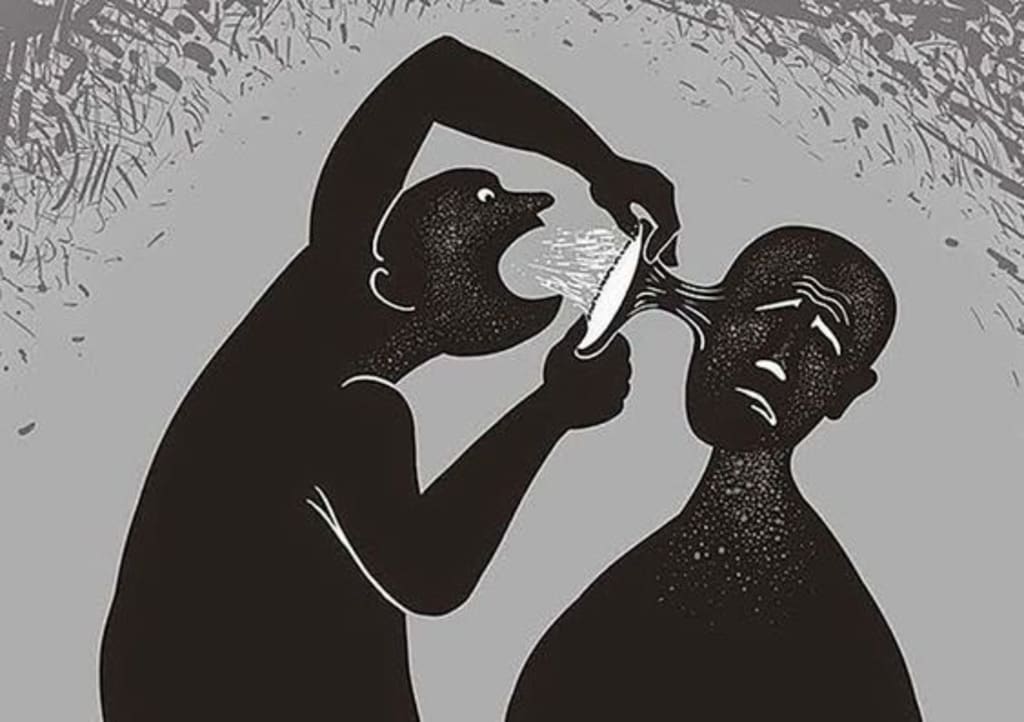
In today’s world, noise is everywhere. From social media notifications to constant emails, podcasts, phone calls, and the ever-humming background of our digital lives, it’s harder than ever to really listen — not just hear, but actually listen.
Yet, the ability to listen deeply remains one of the most powerful tools we have — in relationships, in the workplace, and even in understanding ourselves. Being a better listener isn't just about being polite; it's about connecting, empathizing, and creating space for others in a world that often feels too crowded to care.
The Myth of Multitasking
One of the biggest enemies of good listening is our obsession with multitasking. We've been conditioned to believe that doing more at once is a sign of productivity. But when we’re checking our phones during a conversation or mentally writing our to-do list while someone’s talking to us, we're not really present.
Research shows that the human brain isn't actually good at multitasking — it just switches between tasks rapidly, leading to mental fatigue and superficial interactions. When it comes to listening, multitasking is a killer. If we want to truly hear someone, we have to slow down and offer them our full attention.
Listening Is a Skill, Not a Trait
Some people seem naturally good at listening, but the truth is that it’s a skill anyone can build with practice. The key? Mindfulness and curiosity.
Instead of thinking about what we’re going to say next or waiting for a pause to jump in, we can learn to sit with silence. We can listen not just for words, but for tone, emotion, and what’s left unsaid. It takes discipline — especially in fast-paced conversations — but it pays off in deeper, more meaningful exchanges.
Creating Space for Others
Have you ever talked to someone and felt like they were really with you? No distractions, no judgment — just presence. That kind of listening is rare, and incredibly valuable. When we offer that space to others, we give them permission to open up, to feel seen, and to trust us.
Especially in times of conflict or stress, listening with empathy can de-escalate tension and help both sides feel heard. Sometimes, people don’t need advice or solutions. They just need to be understood.
Quieting the Internal Noise
Even when the outside world is loud, the real challenge is often the noise inside our own heads. Our assumptions, fears, and impatience can drown out what someone else is trying to say. To become better listeners, we have to quiet our inner monologue — at least for a moment — and really tune in.
One practice that helps is to repeat back what we heard, not word-for-word, but in our own understanding. It shows the speaker that we’re engaged, and it forces us to process their words rather than just react to them.
Final Thoughts
In a world that’s constantly shouting for our attention, listening has become a rare and radical act. But the more we practice it, the more we’ll realize how much it changes — our relationships, our understanding of others, and even our sense of self.
Becoming a better listener isn’t about perfection. It’s about presence. And in a noisy world, being truly present might just be the quietest — and most powerful — revolution of all.
About the Creator
LingoCoach
Here you can find whatever you need for your General English
Enjoyed the story? Support the Creator.
Subscribe for free to receive all their stories in your feed.
Comments
There are no comments for this story
Be the first to respond and start the conversation.