
Bat Exclusion and Removal Best Practices
A homeowner’s guide to humane, legal bat eviction and lasting prevention
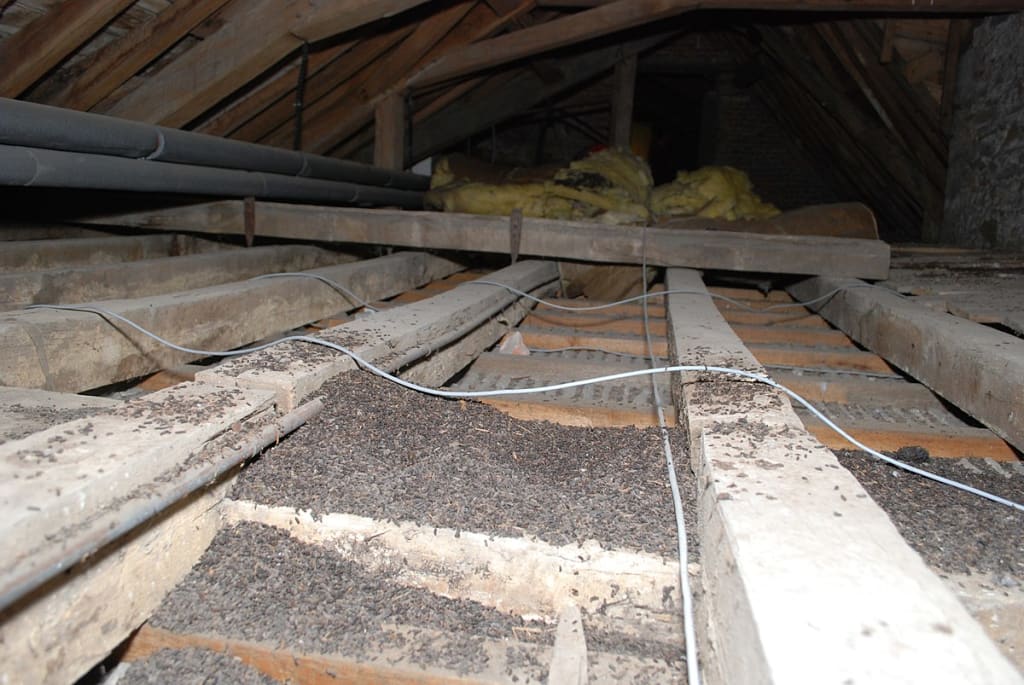
Bats do a lot of good by eating mosquitoes and other night‑flying insects, but when they move into your attic or walls, you’ve got to handle things the right way. You want to keep your home safe and keep bats protected too. Here’s how to do it, step by step, using humane methods, sound timing, and simple materials you can find at your local hardware store.
Why Bats Choose Homes
Most species look for dark, dry spaces to raise their young, and your attic or eaves can seem perfect. They only need an opening about the size of a dime to slip in, so gaps around vents, loose boards, or spaces where utility lines enter can all be entry points. If you seal things up without thinking, you could trap flying pups inside, and that’s both sad and illegal in many places.
Know the Rules and the Right Season
Lots of bat species are protected by state and federal laws, so you can’t just seal them in or use poisons. As a rule of thumb, avoid any work from early spring through mid‑summer when mothers are nursing flightless young. Late summer into early fall is the safest window; bats can fly and find new roosts, and you’ll stay on the right side of wildlife regulations.
Inspect Carefully
- Evening watch: At dusk, sit outside with a flashlight and watch where bats emerge.
- Find the spots: Look for dark stains, grease marks, or piles of droppings near cracks, vents, or shingles.
- Check inside: If you’re comfortable doing so, put on a respirator mask and gloves, climb into the attic, and look for guano or damp spots. This tells you which holes you really need to target.
One‑Way Exclusion Devices
After you’ve mapped every likely entry point, it’s time to install gadgets that let bats out without letting them back in. You can use simple mesh tubes, funnel-style traps, or netting that pivots. Fit these over each hole, then watch for a few nights to make sure bats are leaving. When you see no more activity, seal the openings permanently with things like copper mesh, stainless‑steel cloth, or silicone caulk.
Handling Chimneys and Walls
If bats have moved deep into a chimney or inside wall voids, you may need extra tools. A bat‑friendly chimney cap lets them escape from the flue but keeps them out afterward. In wall cavities you might use a gentle smoke or vapor, but that really works best when done by a licensed wildlife specialist. Live‑capture traps are another option, though you’ll often need a rehabilitator or wildlife expert to help relocate the animals responsibly.
Cleaning Up Safely
Bat droppings can carry fungal spores that cause respiratory illness, so clean up with care:
- Remove and discard any soiled insulation.
- Wash wood and other hard surfaces with a bleach solution (one part bleach to ten parts water).
- Let the space air out for several days before you re‑insulate or close it up.
- Consider adding a vapor barrier under new insulation to prevent future moisture and odor issues.
Preventing Future Visits
A handful of regular maintenance tasks keeps wildlife out for good:
- Walk your roofline every spring and look for new cracks or loose boards.
- Install vent covers designed to keep out animals but still let air circulate.
- Trim branches that hang over six feet from your roof so bats can’t drop right in.
- Seal gaps around windows, doors, pipes, and cable entrances with caulk or foam.
If you want extra peace of mind, schedule a fall check‑up with a wildlife control pro. They’ll spot the tiny gaps you might miss.
When to Call in the Pros
If you find yourself facing any of these situations, it’s worth getting a licensed operator:
- A large maternity colony or more than a cubic foot of droppings in your attic.
- Bats buzzing around inside living spaces, not just the attic.
- Complex or multiple entry points that are hard to seal yourself.
Professionals know the local wildlife rules, carry liability insurance, and have specialized tools and experience. They’ll make sure you stay legal, stay safe, and get the job done once and for all.
By sticking to these straightforward steps—mapping entry points, using one‑way devices, cleaning up properly, and sealing everything off—you’ll keep bats where they belong: outdoors contributing to the ecosystem, not inside your living space. For expert help or more tips, head over to Pulaski Pest Control to see how their team can assist you in protecting both your home and local wildlife.
About the Creator
Enjoyed the story? Support the Creator.
Subscribe for free to receive all their stories in your feed.
Comments
There are no comments for this story
Be the first to respond and start the conversation.