
Assets “Held Under One’s Name” Do Not Necessarily Mean Security: High-Net-Worth Individuals Reassess Wealth Control Strategies
Global transparency standards drive demand for long-term wealth protection solutions, such as trust structures
Traditionally, holding assets directly under one’s personal name was widely regarded as the most straightforward and transparent approach to wealth management. However, as global regulatory standards and financial transparency frameworks continue to evolve, this long-standing approach is increasingly being challenged.
Today, banking transparency operates through interconnected systems designed for risk monitoring, compliance review, and internal oversight. Against this backdrop, high-net-worth individuals are shifting their focus away from whether assets are simply “held under their name” towards a more important question: whether those assets remain truly controllable, protected, and sustainable over the long term.
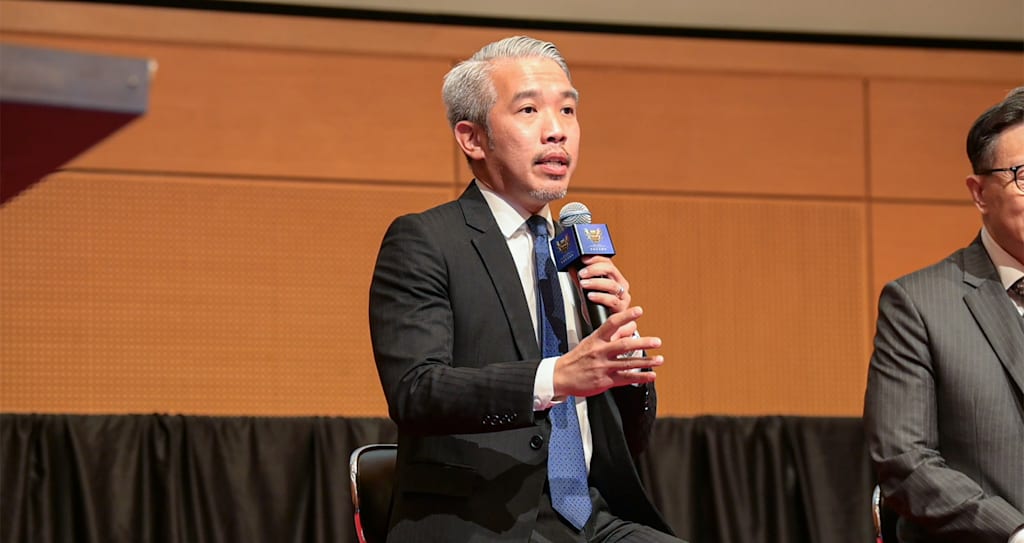
This sentiment is echoed by Mr. Mong Chung Chee, President of Asia-Pacific at Hong Kong Fiduciary Association Limited (HKFA). During an interview, Mr. Mong noted that for high-net-worth families, wealth protection is no longer only about ownership. Rather, it is increasingly about whether the structure behind the assets can support control, continuity, and long-term resilience.

Mr. Mong’s remarks reflect a wider industry shift as financial institutions, regulators, and tax authorities place greater emphasis on transparency, risk monitoring, and cross-border reporting. This trend is closely linked to global tax transparency regimes such as the Common Reporting Standard (CRS), which continue to reshape how assets are disclosed, reviewed, and assessed.

Transparency Trends Are Reshaping Asset Holding Structures
In recent years, the CRS has significantly accelerated the exchange of financial information between jurisdictions.
Industry professionals generally believe that transparency itself is not the primary risk. Rather, it changes how assets are identified, connected, and assessed across jurisdictions, placing new pressure on traditional asset holding structures.
As information-sharing mechanisms continue to expand globally, the way wealth is structured and managed is also beginning to evolve.
Risk Exposure Is Shifting from “Markets” to “Structures”
In the past, market volatility was often viewed as the primary concern in wealth management. Today, however, many high-net-worth individuals are facing a different set of challenges, increasingly centred around structural risks, including:
- Compliance and disclosure requirements for cross-border assets across multiple jurisdictions
- Potential implications of changes in family relationships on asset ownership and control
- The spillover of corporate liabilities and business risks into personal assets
As these factors become more interconnected, families and entrepreneurs are increasingly recognising that while assets may still remain under ownership, effective control over those assets can gradually become uncertain.

International Financial Centres Accelerate Adoption of Structured Wealth Solutions
Across international financial centres such as Hong Kong and Singapore, more families and business owners are turning to structured wealth management solutions, including trust arrangements and family office frameworks.
The purpose of these structures is no longer limited to asset allocation alone. Increasingly, the focus is on:
- Separating legal ownership from effective control
- Enhancing asset protection and risk isolation capabilities
- Establishing enforceable mechanisms for long-term succession planning
Many industry professionals now view these structural arrangements not merely as optional planning tools, but as a core part of modern wealth management.
A Shift in Mindset: From “Ownership” to “Control”
Importantly, this shift has not been triggered by any single event. Rather, it reflects the gradual evolution of global capital flows, regulatory frameworks, and wealth management priorities.
In his interview, Mr. Mong also highlighted that some high-net-worth individuals have already begun proactively restructuring their asset arrangements before encountering actual disputes or risks, in preparation for future uncertainty.
This change reflects a broader shift in thinking: from focusing primarily on ownership to prioritising long-term control, protection, and continuity.
Conclusion
As wealth continues to accumulate, the way assets are held, protected, and transferred is evolving alongside it.
While ownership remains important, the ability to maintain long-term control, protection, and continuity is increasingly becoming the central consideration in modern wealth management.
About the Creator
Enjoyed the story? Support the Creator.
Subscribe for free to receive all their stories in your feed.
Comments
There are no comments for this story
Be the first to respond and start the conversation.