
Apple Music and the Rise of Exclusive Content in the Streaming Era
Apple Music
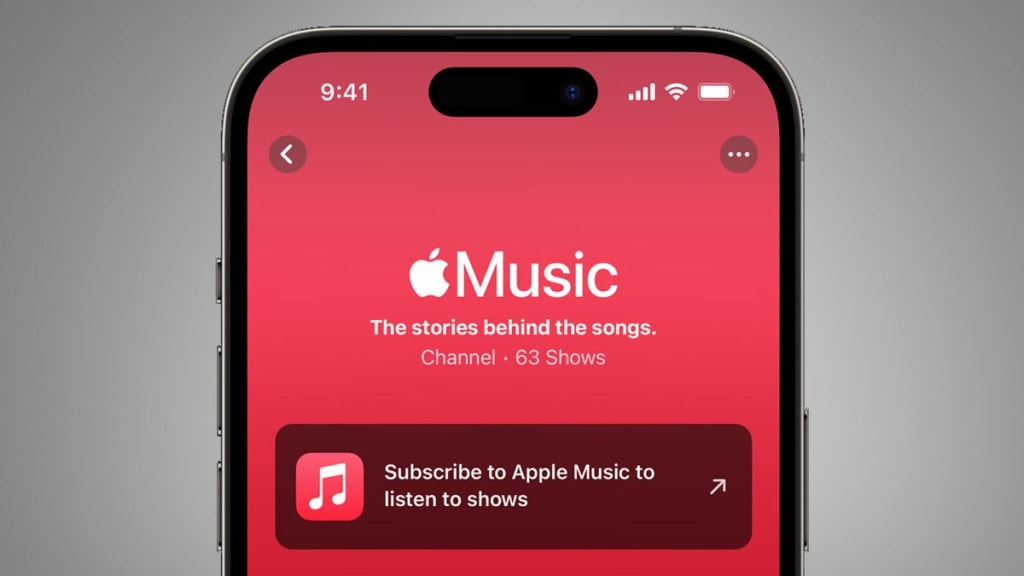
In the ever-competitive world of music streaming, platforms are constantly seeking ways to differentiate themselves and attract more listeners. One strategy that has gained significant traction in recent years is the use of exclusive content. Apple Music, in particular, has pioneered this approach, offering a wide array of exclusive releases, live performances, and unique artist collaborations that can’t be found elsewhere. As a result, Apple Music has not only solidified its place as a leading streaming service but has also impacted the way artists release music and how fans consume it. In this article, we will explore the rise of exclusive content in the streaming era, Apple Music's role in shaping this trend, and what it means for the future of the industry.
1. The Strategy Behind Exclusive Releases
Apple Music’s focus on exclusive content started early in its journey. One of the most notable examples was the exclusive release of Taylor Swift's album 1989 and Frank Ocean’s Blonde, both of which created a massive buzz in the music world. These high-profile exclusives attracted millions of new subscribers, reinforcing the perception that Apple Music was the go-to platform for accessing premium and exclusive content.
Exclusive content has been a core part of Apple Music’s identity because it offers fans something they can’t get on competing services. Whether it’s a new album debut or a behind-the-scenes documentary of an artist’s creative process, Apple Music's approach creates a sense of urgency and excitement. When fans know they can only hear an album on Apple Music, they’re more likely to subscribe to the service.
Additionally, exclusive live performances and music videos have been another key element in Apple Music’s strategy. By offering subscribers the chance to view live concerts from the comfort of their homes, Apple Music further enhances its value proposition. These concerts, often featuring iconic artists like Billie Eilish and Harry Styles, give fans a unique experience they can’t find elsewhere.
2. Impact on Artists: Increased Visibility or Isolation?
For artists, exclusive content deals with Apple Music can be a double-edged sword. On one hand, signing an exclusive deal with Apple Music guarantees visibility and potentially larger payouts. Apple’s vast user base and promotional tools can boost an artist’s exposure, helping them reach new audiences who might not have discovered their work otherwise. Moreover, Apple Music often promotes exclusive albums on the platform's front page and through its various curated playlists, which can significantly boost streams.
However, there’s a downside to exclusivity. By limiting the release of an album or a single to one platform, artists risk alienating fans who use other streaming services like Spotify, Amazon Music, or YouTube Music. This fragmentation can be particularly detrimental for emerging artists who rely on widespread accessibility to build a following. Independent artists or those not yet established may find that exclusivity hinders their ability to grow and engage with fans across multiple platforms. This exclusivity can also impact charts and awards, as some music charts count streams across platforms to determine ranking. Limiting a release to Apple Music could mean losing out on valuable chart positions.
3. Key Exclusive Albums and Partnerships
Apple Music has signed numerous high-profile deals over the years, and many of these exclusives have become turning points in the platform’s growth. Albums like Drake’s Views, Kanye West’s The Life of Pablo, and Chance the Rapper’s Coloring Book were released either first or exclusively on Apple Music. These releases not only drew attention to the artists but also sparked major discussions in the media and among music fans, ultimately driving more traffic to the platform.
Additionally, Apple Music has secured partnerships with music labels and artists for exclusive content like behind-the-scenes footage, artist interviews, and special documentary series. This extra content helps keep fans engaged, offering them a more intimate look at their favorite musicians and their creative processes. For example, Apple Music's Up Next program highlights emerging artists, offering exclusive interviews, live performances, and promotional campaigns aimed at boosting their careers.
4. Behind-the-Scenes Content and Live Performances
Apple Music has also tapped into behind-the-scenes content and live performances, creating a deeper connection between fans and artists. Subscribers have access to exclusive performances, often live-streamed or pre-recorded, and these events create a concert-like experience for listeners. Apple Music's "At Home With" series, launched during the COVID-19 pandemic, featured artists performing intimate, stripped-down versions of their songs directly from their homes.
These behind-the-scenes offerings, such as documentaries and studio footage, give fans a unique insight into the artists’ world. The success of shows like The Score and Beats 1 Radio—where artists can share personal stories, talk about their creative process, or even take over the show for a day—showcases Apple Music’s innovative approach to exclusive content.
5. What This Means for the Future of Music Streaming
Apple Music's strategy of exclusive releases and content has set a precedent in the music streaming industry, and its competitors are taking notice. However, while exclusivity may create short-term gains, it raises questions about the long-term sustainability of such a model. As music streaming platforms continue to compete for subscribers, the battle for exclusive content will likely intensify.
Conclusion:
Apple Music has undoubtedly played a pivotal role in the rise of exclusive content in the streaming era. By securing exclusive releases, artist partnerships, and behind-the-scenes footage, Apple Music has differentiated itself from its competitors and attracted millions of dedicated users. However, while this strategy has been highly effective in driving subscription numbers, it also raises important questions about accessibility and the future of music distribution. The focus on exclusive content may lead to a more fragmented music landscape, where artists are forced to choose between exposure and platform loyalty.
About the Creator
Enjoyed the story? Support the Creator.
Subscribe for free to receive all their stories in your feed.
Comments
There are no comments for this story
Be the first to respond and start the conversation.